Energy
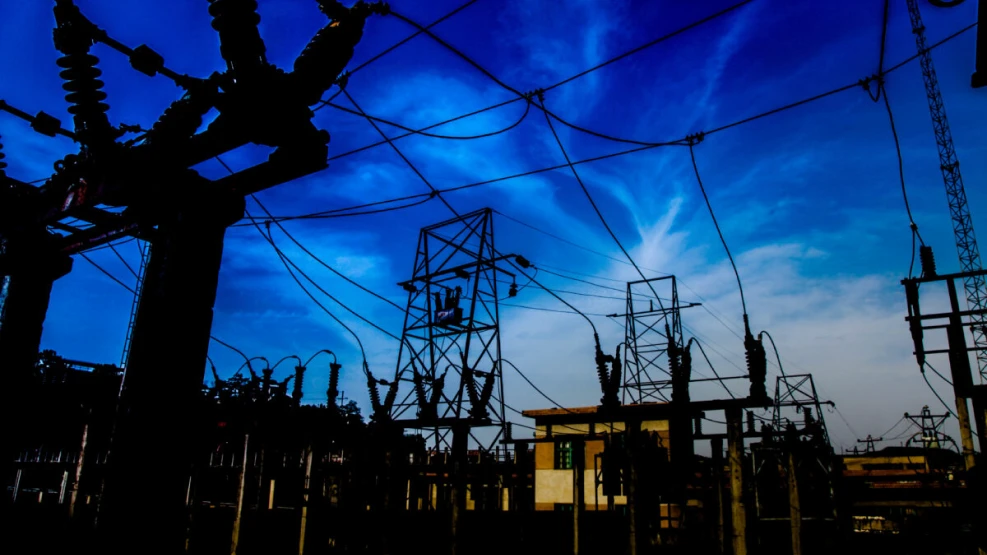
high-voltage substations play a crucial role in the power transmission infrastructure, meeting the growing demand for electricity in various sectors.
These connection points are fundamental to ensuring safety and reliability in the energy supply on a large scale, being essential for the efficient operation of robust electrical systems.
With specific standards and a variety of specialized equipment, high-voltage substations represent the beating heart of large-scale power distribution, standing out for their complexity and importance in today's energy landscape.
If you want to know the characteristics and operation of these
high-voltage substations, then read this article!
READ ALSO:
• Energy Substation Maintenance with Artificial Intelligence: How Does It Work?
• What is Industrial Thermography?
Speak with one of our specialists and discover how Pix Force can transform your business
How does a power substation work?
A power substation operates as a vital link in the electrical grid, receiving high-voltage electricity from generating plants or larger-capacity substations to then transform it into voltages suitable for distribution.
This transformation is carried out through equipment such as transformers, circuit breakers, and disconnect switches, which play essential roles in regulating and protecting the system.
The primary and secondary conductors interconnect the components, ensuring the safe and efficient transfer of electrical energy. Furthermore, devices such as lightning arresters and reclosers act in protecting and maintaining the stability of the system, detecting and correcting any faults.
With a complex structure regulated by specific standards, power substations play a strategic role in ensuring a continuous and reliable supply of electricity for industrial, commercial, and residential consumers.
For more details, read our other article that explains everything about
electrical power substations
How many kVA is considered a high-voltage substation?
In general terms, a high-voltage substation is considered to operate with power ratings exceeding 500 kVA (kilovolt-ampere).
This classification is established according to the capacity for converting and distributing electrical energy at high voltage levels, generally above 69 kV. Substations with power capacities in this range are designed to meet substantial electricity demands, ensuring a reliable and efficient supply for a wide range of industrial, commercial, and residential consumers.
This power distinction is relevant both for operational safety and for the proper sizing of equipment and systems present in the substation, contributing to the stability and reliability of the large-scale electrical power supply.
It is important to highlight that the definition of high voltage in terms of power varies according to specific standards and regulations of each country or region, reflecting the particularities of the electrical system and local energy distribution demands.
What are the different voltage levels of electrical substations?
The
electrical substations are classified into different voltage levels according to the magnitude of the voltage they operate with. This categorization is essential for the efficient transmission and distribution of electrical energy. Substations can be divided into three main voltage levels: high voltage, medium voltage, and low voltage substations.
• High Voltage Substations: Operate at levels above 69 kV, being responsible for receiving and transmitting large-scale energy coming from generating plants or larger substations.
• Medium Voltage Substations: Work with voltages between 1 kV and 69 kV, performing the regional distribution of electricity to industrial, commercial, and residential zones.
• Low Voltage Substations: Operate with voltages below 1 kV, representing the final distribution stages before the energy reaches end consumers.
• This segmentation facilitates the
operation and maintenance of substations, ensuring the safe and efficient delivery of electricity to the various sectors of society.
Most common equipment in high-voltage substations
In high-voltage substations, the presence of specialized equipment is crucial to ensure the safe and efficient transmission of electrical energy.
Several components perform essential functions in the operation of these installations, contributing to the reliability and stability of the electrical system.
Below, we will highlight the most common equipment found in high-voltage substations and their importance for supplying electricity to end consumers:
• Power Transformers: responsible for stepping up or stepping down the voltage of electricity, enabling efficient transmission over long distances.
• Circuit Breakers: ensure the protection of the electrical system by interrupting the circuit in the event of an overload or short circuit.
• Disconnectors: used to isolate parts of the electrical circuit during maintenance or repair operations.
• Capacitor Banks: contribute to voltage control and power factor correction, optimizing energy efficiency.
• Surge Arresters: protect equipment against atmospheric overvoltages or system switching operations.
• Meters and Relays: monitor and control the flow of energy, detecting anomalies and acting to protect the system.
• Current and Voltage Transformers: essential for measurement and protection, transforming current and voltage values to appropriate levels.
This equipment plays a fundamental role in the safe and reliable operation of high-voltage substations, ensuring the continuous supply of electricity to end consumers.
Standards for high-voltage substations
Standards for high-voltage substations are fundamental to ensure safety, efficiency, and compliance with technical standards in the operation of these installations. Several regulatory bodies and normative entities establish specific guidelines that must be followed in the construction, expansion, and maintenance of high-voltage substations.
In the Brazilian context, ANEEL (Agência Nacional de Energia Elétrica) and ABNT (Associação Brasileira de Normas Técnicas) are some of the institutions that establish the standards and regulations applicable to high-voltage substations.
These standards cover everything from design requirements, equipment dimensioning, protection against overloads and short circuits, grounding, communication and monitoring systems, to safety procedures for operators and maintenance crews.
By strictly following current standards, high-voltage substations can operate reliably, minimizing risks and contributing to the integrity of the electrical system as a whole.
Maintenance and inspection of power substations, how to do it?
use of drones
equipped with advanced technology is revolutionizing the inspection of high-voltage substations. Companies in the electricity sector have adopted this innovative approach to improve efficiency and operational safety.
Drones fly over substations autonomously, capturing detailed images and real-time data. With high-resolution cameras and specialized sensors, this information is analyzed by Artificial Intelligence platforms, identifying anomalies and technical problems quickly and accurately.
This technique anticipates failures, such as overheating and wear, preventing interruptions in the power supply.
Furthermore, drone inspection reduces evaluation time, decreases risks for technicians, and improves the effectiveness of corrective actions. By integrating drones with AI, companies guarantee preventive maintenance and safe operation of substations, promoting reliability and continuity in the electricity supply.
While a manual inspection takes approximately 15 days to complete, with Pix Grid Substations you can carry out the process in just 1 and a half days! In other words, Pix Force has the right product you need to inspect high-voltage substations. Get in touch with our team.

Fabio Caraça
Fábio Caraça is the Chief Growth Officer at Pix Force. He leads Pix Force's transformation into a scalable SaaS operation, combining strategic vision, culture, and high-impact execution.