Energy
Power substation maintenance is essential to ensure the efficiency, safety, and continuity of the electrical supply. Substations, which transform and distribute energy to millions of homes and industries, are critical components of the electrical infrastructure. Any failure or malfunction in these facilities can lead to significant interruptions, resulting in financial losses, equipment damage, and even public safety hazards.
Historically, maintaining these substations involved manual inspections, which were time-consuming and posed risks to the technicians involved. However, with advancements in Artificial Intelligence (AI) and Computer Vision, the way these inspections are conducted is undergoing a revolution. Using drones equipped with high-resolution cameras and thermal sensors, it is possible to perform detailed inspections quickly, safely, and efficiently.
These drones can fly autonomously over the substation, capturing images and data that are immediately sent to analysis platforms using AI. This analysis enables the quick and precise identification of anomalies, such as overheating or mechanical wear, allowing for corrective actions before major problems occur.
In this text, we will explore how the integration of these cutting-edge technologies is transforming the maintenance of power substations and what the main benefits of this innovative approach are.
Speak with one of our specialists and discover how Pix Force can transform your business
What is an electrical substation?
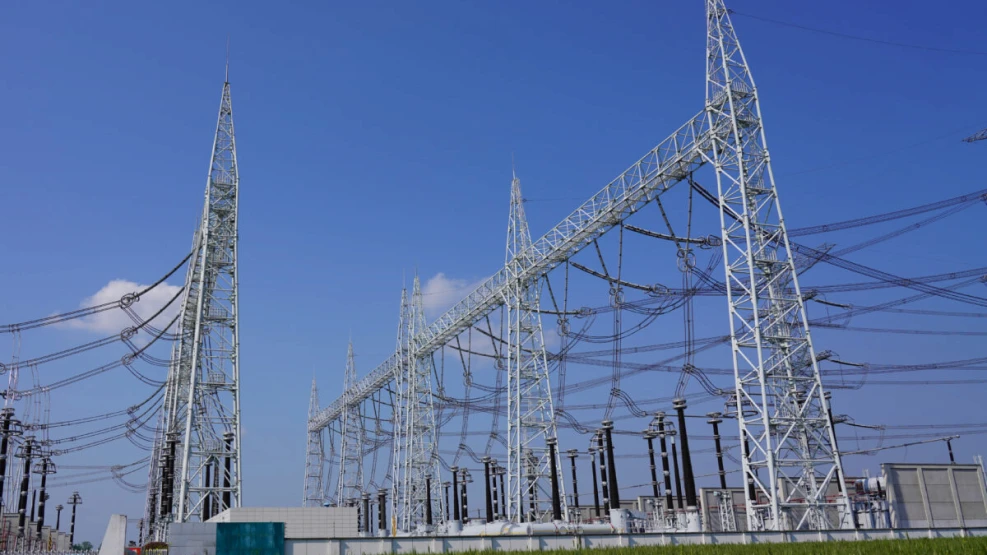
Electrical substations are essential installations in the electrical distribution system. They transform the voltage of the electricity generated in power plants to appropriate levels before being distributed to residential, commercial, and industrial consumers. By adjusting voltages, substations ensure that power is transmitted efficiently and safely over long distances.
They play a crucial role in maintaining the stability of the electrical grid and preventing failures that could result in blackouts or damage to equipment connected to the grid. See the video below for a simple explanation of what an electrical substation is:
https://www.youtube.com/watch?v=QqX8X1qb9ZU
What are the Main Components of a Power Substation?
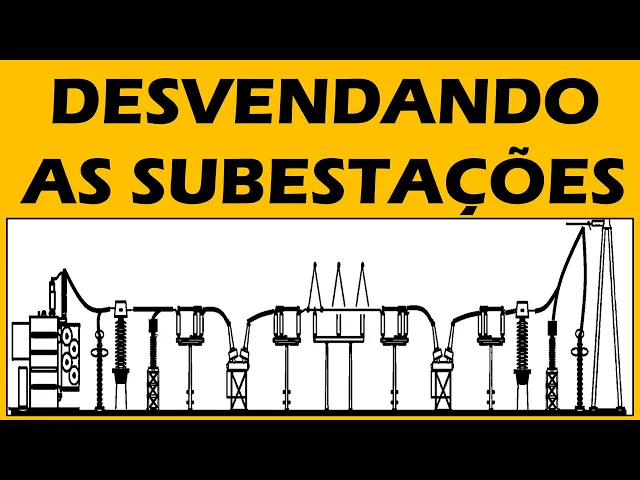
The main components of a power substation include transformers, circuit breakers, disconnect switches, surge arresters, and protection and control systems. See below:
• Transformers are responsible for converting power voltage to appropriate distribution levels.
• Circuit breakers protect the electrical grid by automatically disconnecting in case of faults, while disconnect switches allow for manual interruption of the electrical current for maintenance.
• Surge arresters protect the substation from voltage surges caused by lightning.
Lastly, protection and control systems monitor and ensure the safe and efficient operation of the substation. Together, these components ensure the stable and continuous distribution of electrical energy.
What Are the Main Technical Problems That Occur in Power Substations?
Power substations are susceptible to various technical problems that can compromise the efficiency and safety of the electricity supply.
One of the main challenges faced is the overheating of equipment due to overloads or insulation failures, which can lead to damage in transformers and circuit breakers. In addition, mechanical wear and tear over time can result in operational failures in critical components, such as disconnect switches, disrupting the flow of energy.
Another frequent issue is the failure of protection and control systems, which are essential for monitoring and ensuring the correct operation of the substation.
When these systems fail, the detection of and response to anomalous events can be compromised, risking the safety of the operation. Furthermore, problems with lightning arresters and grounding systems can expose the substation to voltage surges and damage caused by atmospheric discharges.
The lack of proper maintenance and regular inspections can also contribute to the occurrence of technical problems in power substations. Proactively identifying and correcting these issues is fundamental to ensuring the reliability and continuity of the electricity supply, as well as preventing unplanned outages and associated losses.
Therefore, the use of technologies such as Artificial Intelligence in maintenance can play a crucial role in preventing and resolving these technical problems efficiently and safely.
Substation inspection by drones
The use of drones equipped with advanced technology is revolutionizing the way power substations are inspected. Thanks to Pix Force, specialized in artificial intelligence and computer vision, companies in the electricity sector have adopted this innovative approach to improve the efficiency and safety of operations.
The drones, equipped with high-resolution cameras and specialized sensors, fly over the substations autonomously, capturing detailed images and real-time data.
This information is then analyzed by Artificial Intelligence platforms, capable of identifying anomalies and potential technical problems accurately and quickly.
Such an approach makes it possible to anticipate failures, such as equipment overheating, mechanical wear, and protection system failures, preventing unwanted power supply interruptions.
Furthermore, drone inspection offers significant benefits, such as reducing the time required for assessments, decreasing the risk for the technicians involved, and improving the effectiveness of corrective actions.
By integrating drone technology with AI, power companies can ensure preventive maintenance and safe operation of their substations, boosting the reliability and continuity of the electricity supply.
How does drone inspection work in power substations?
Drone technology has stood out as an essential tool for inspecting power substations, offering a modern and efficient approach to the maintenance of these critical installations.
This method combines the accuracy of data collection with advanced analysis capability, providing a detailed and comprehensive view of the equipment status. Below, we detail how the drone inspection process takes place in power substations:
Execution of Automated and Standardized Routes
The drones are programmed to fly on automated and standardized routes over the power substation. This ensures that all areas and equipment are inspected consistently, covering all critical points without omissions.
Data Upload with Integration Between Flight App and Platform
Once the data is collected, it is automatically sent to an integrated platform. This integration between the flight app and the analysis platform allows for fast and secure upload of the information captured by the drones.
Automatic Image Organization by Equipment
The images and data collected by the drones are automatically organized by equipment type. This categorization system facilitates the location and specific analysis of each substation component, ensuring more efficient data management.
User Performs the Inspection in a Fast and Structured Way
With organized data, technicians can perform substation inspections in a fast and structured manner. The intuitive user interface allows for a detailed evaluation of the equipment without the need for extensive on-site reviews.
Detailed Reports by Equipment
Finally, the platform generates detailed reports by equipment, highlighting any anomalies or areas needing attention. These reports are essential for making informed decisions about maintenance and repairs, contributing to the efficiency and safety of operations in the substation.
After the Inspection, How is Substation Maintenance Done?
Power substation maintenance is a crucial step that follows the detailed inspection made with drones and advanced data analysis.
After collecting information and identifying anomalies or potential problems, a structured action plan is implemented to ensure the continuity and efficiency of the electricity supply.
In addition to immediate corrections, data analysis and maintenance history allow for the implementation of preventive maintenance strategies. This proactive approach aims to anticipate possible failures and schedule interventions before more serious problems occur, ensuring the longevity and reliability of the equipment.
Below, we detail the essential steps involved in substation maintenance after inspection:
Detailed Analysis of Reports
The reports generated by the platform, containing precise data on the state of each equipment, are carefully analyzed by specialized engineers and technicians. This meticulous examination allows for the identification of all critical points requiring intervention, prioritizing actions according to the severity of the detected failures.
Maintenance Planning
Based on inspection data, a maintenance team drafts a detailed plan that defines priorities, necessary resources, and the schedule of activities. This planning is essential to minimize power supply interruptions and ensure that maintenance occurs safely and efficiently.
Execution of Interventions
Maintenance teams are mobilized to execute the necessary interventions in the field. This can include replacing worn-out components, repairing faulty equipment, or recalibrating protection and control systems. The accuracy of the information acquired through drone inspection allows these actions to be performed in a targeted manner, saving time and resources.
Post-Maintenance Verification
After repairs and adjustments are executed, a new inspection may be carried out to verify the effectiveness of the interventions. This step involves analyzing the equipment to ensure that all faults have been properly corrected and that the substation is in perfect working order.
Recording and Documentation
All maintenance actions are documented and recorded in the operations management platform. This record is fundamental to the substation's maintenance history, allowing for continuous monitoring and facilitating future inspection and intervention processes.
In summary, post-inspection substation maintenance is a meticulous process involving detailed analysis, strategic planning, precise interventions, and rigorous monitoring.
The use of advanced technologies such as drones and image generation transforms maintenance into a more efficient procedure, reducing costs, increasing safety, and ensuring continuity in the power supply.
Frequently Asked Questions on Substation Maintenance (FAQ)
What is power substation maintenance?
Power substation maintenance is a set of inspections and repairs carried out periodically to ensure the safe and efficient operation of high-power electrical installations.
What is the importance of a power substation?
A power substation is essential for transforming and distributing electricity safely and efficiently, ensuring the quality of supply to large consumers and essential services.
Why is power substation maintenance important?
Power substation maintenance is crucial to avoid failures that can cause power supply interruptions, damage to equipment, and safety risks to people and facilities.
How to perform power substation maintenance?
Power substation maintenance must include planning and execution of inspections, cleanings, repairs, and component replacements according to a preventive, predictive, and corrective schedule.
What is predictive maintenance of power substations?
Predictive maintenance uses monitoring and analysis, such as thermography and oil analysis, to predict failures and act before major problems occur in the equipment.
What is preventive maintenance of substations?
Preventive maintenance involves scheduled inspections and interventions to detect and correct problems early, keeping equipment in good operating conditions.
How does corrective maintenance work?
Corrective maintenance is performed to fix already identified failures in equipment, often on an emergency basis, to restore normal substation operation.
How does drone inspection in substations help in maintenance?
Drone inspection allows for a fast, safe, and efficient evaluation of hard-to-reach components, identifying issues such as overheating and wear without interrupting substation operations.
Want to know more about how Pix Force can help you in power substation inspection and maintenance? Get in touch with us!

Fabio Caraça
Fábio Caraça is the Chief Growth Officer at Pix Force. He leads Pix Force's transformation into a scalable SaaS operation, combining strategic vision, culture, and high-impact execution.