Energy
Power substations are important components for the efficient and safe operation of the electrical grid. They play a fundamental role in the transformation, control, and distribution of electrical energy, ensuring that the electricity generated in power plants reaches homes, businesses, and industries in an appropriate manner.
Without substations, it would be impossible to adjust the voltage levels required for different types of consumers and devices, compromising the stability and safety of the power supply.
In addition to their main functions, substations are classified into different types based on location and utilization, such as indoor, outdoor (aerial), offshore, and mobile substations. Each type has specific characteristics that meet the needs of various urban, rural, and industrial contexts. This makes power substations essential not only for the constant supply of electricity, but also for adapting to the conditions and demands of different regions and economic sectors.
Speak with one of our specialists and discover how Pix Force can transform your business
What are the types of power substations
Before answering what the types of substations are, it is interesting to answer the question: what are power substations? Power substations are facilities that transform and distribute the electricity generated in power plants to the final consumers. They adjust the electrical voltage to appropriate levels, ensuring the safe and efficient delivery of energy. These substations are crucial for the stability and continuous operation of electrical grids, in addition to providing control over the quality of the supplied energy. Electrical substations can be classified in several ways, depending on their location, configuration, and purpose. This diversity ensures that the specific needs of different contexts and applications are met in an efficient and safe manner.
The
indoor substations are installed inside buildings and are designed to better integrate into urban environments, reducing visual impact and facilitating coexistence with other structures. This configuration is ideal for densely populated areas where space is limited and urban aesthetics are a concern.
In contrast, the
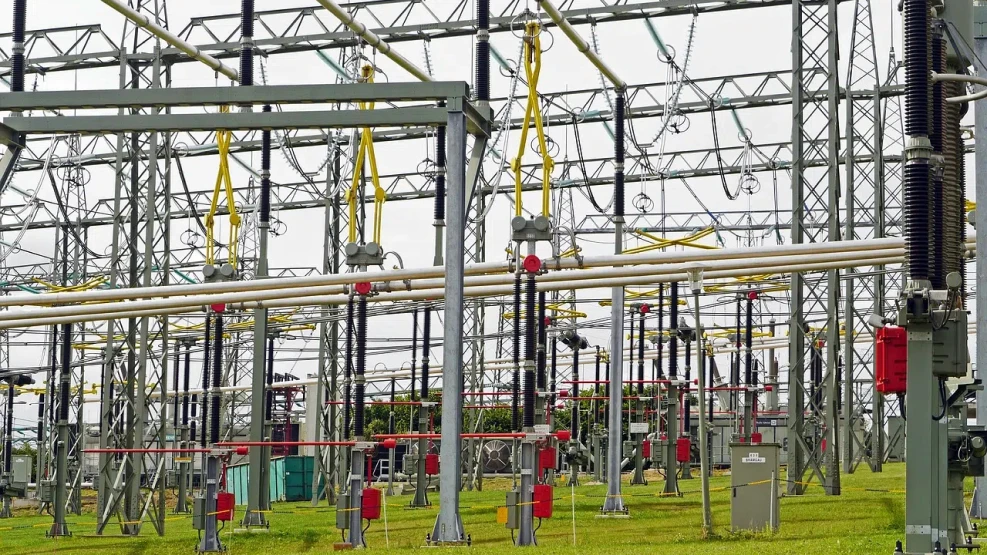
outdoor substations are installed above ground on open surfaces. They are preferred in rural and peri-urban areas due to the abundance of space and ease of maintenance. The visibility of the components facilitates quick interventions and reduces operational costs, making them a practical choice for regions where visual impact is not a significant concern.
The
offshore substations are located at sea, and their main function is to transmit the energy generated in offshore wind farms to onshore substations, which then distribute the energy to the electrical grid. Built to withstand adverse weather conditions and wave vibrations, these substations are essential for the exploration of renewable energy sources at sea, maximizing efficiency and sustainability.
Lastly, the
mobile substations are designed to be transported as needed. They are extremely useful in emergency situations, such as natural disasters, or during the construction of new infrastructure, providing a temporary and rapid solution to ensure the continuity of the power supply.
Together, these different typologies of substations ensure that the distribution of electrical energy can be adapted to the most varied geographical scenarios and operational requirements, providing a reliable and efficient supply, regardless of the circumstances.
How a power substation works
Inaugurated in 1882 in New York, substations have constantly evolved to keep up with the increasing demand for energy and the need to integrate renewable energies.
This technological advancement brought greater precision in the control and distribution of electrical energy, in addition to offering greater safety and flexibility in grid management. With the development of transformers and other devices, substations have become key elements for an efficient and reliable distribution of electricity.
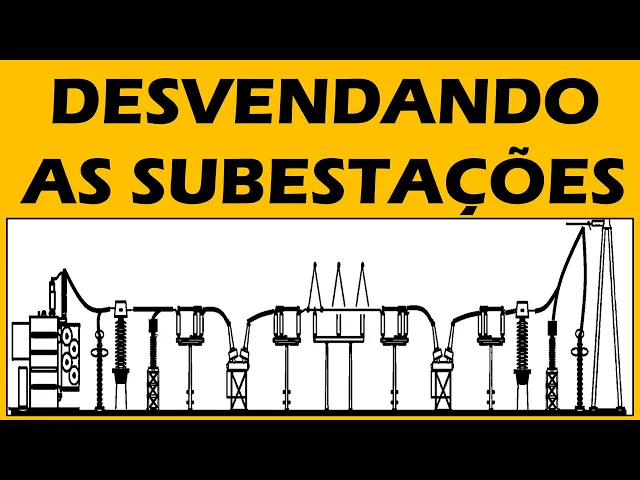
An electrical substation plays a crucial role in the transformation, control, and distribution of electrical energy, ensuring that the electricity generated in power plants reaches end consumers safely and efficiently. The operation of a substation begins with receiving high-voltage electrical energy from the transmission lines.
At the heart of a substation are the
transformers, which adjust the voltage of the electrical energy to appropriate levels. When energy arrives at the substation, transformers reduce it from high voltage to medium or low voltage, suitable for local distribution. This transformation is essential because the high voltage used for efficient transmission over long distances is not safe for direct use in homes and businesses.
In addition to transformers, substations use a series of
auxiliary equipment such as circuit breakers, disconnect switches, and protective relays. These components ensure the safety and reliability of the system, allowing for remote and automated control of the power. For example, circuit breakers can interrupt the flow of power in case of faults or overloads, while protective relays continuously monitor the system to detect problems.
Another essential element is the
busbars, which distribute the transformed energy to different distribution lines. These busbars connect the various components of the substation and direct the energy to different destinations efficiently and safely.
Finally, the medium or low voltage electrical energy is directed to distribution lines that deliver electricity to end consumers, completing the transmission cycle.
Power substations, therefore, serve as
conversion and control points that ensure electrical energy is distributed in a safe and effective manner, meeting residential, commercial, and industrial needs.
See in the video below a very complete explanation of what a power substation is: https://www.youtube.com/watch?v=QqX8X1qb9ZU
Why do companies have power substations?
Power substations are vital for the efficient and safe operation of business activities, especially for industries, large shopping centers, and business complexes. They play a crucial role in the transformation and distribution of electrical energy, ensuring supply reliability and voltage adequacy for the different specific needs of companies.
Large-scale industries, hospitals, and even major commercial conglomerates use power substations in their operations.
One of the main reasons why companies have their own substations is
autonomy and reliability in power supply.
Through dedicated substations, companies can ensure a continuous and stable supply of electricity, minimizing interruptions that can affect productivity and cause financial losses. Internal substations allow the electrical voltage to be adjusted to levels suitable for the operation of machinery, equipment, and other essential devices.
In addition,
corporate substations provide
greater control over power quality. They enable the implementation of protection and monitoring systems that detect and correct issues such as power surges, voltage fluctuations, and unbalanced loads. This control is fundamental for the operation of sensitive and high-precision equipment, common in technology and manufacturing industries.
energy efficiency is also a significant factor. Owning substations allows companies to optimize energy distribution and reduce losses during transmission. With this, it is possible to implement smart energy management practices, improving efficiency and reducing operational costs.
Finally, owning a power substation can provide
flexibility and scalability. As the company grows or its energy needs change, substations can be adjusted or expanded to meet new demands without the need for major reconfigurations in the external supply infrastructure.
For these reasons, power substations are strategic investments that provide operational safety, control, efficiency, and flexibility to companies.
What are sheltered substations?
Sheltered substations, also known as indoor substations, are electrical power transformation and distribution facilities located within buildings or enclosed structures. Designed to integrate harmoniously into the urban environment, these substations are widely used in densely populated areas where space is limited and aesthetics are a concern.
These substations offer several advantages. Firstly, they
protect equipment against adverse weather conditions , increasing the durability and reliability of the components. Additionally, the indoor location
minimizes visual and acoustic impact, promoting better coexistence with other buildings and urban spaces.
Sheltered substations also provide
improved operational safety , reducing the risk of vandalism and facilitating maintenance and control. This configuration makes sheltered substations an ideal choice for urban centers and areas where integration with the built environment is essential.
Conclusion
In short, power substations play a fundamental role in the efficient transformation and distribution of electricity, ensuring that the power generated in plants reaches final consumers safely and reliably.
They are essential not only for the general energy infrastructure, but also for the smooth operation of businesses and industries that require a constant and regulated supply of electrical energy for their operations.
With various configurations, such as indoor substations that adapt to the urban environment, these facilities offer advantages like better equipment protection, enhanced safety, and operational efficiency.
By understanding the importance and operation of power substations, we can further appreciate their contribution to economic development and the quality of life in society.
Finally, did you know that it is possible to inspect substations using drones ? Get in
touch with us and see how to do it.

Fabio Caraça
Fábio Caraça is the Chief Growth Officer at Pix Force. He leads Pix Force's transformation into a scalable SaaS operation, combining strategic vision, culture, and high-impact execution.