Occupational health and safety
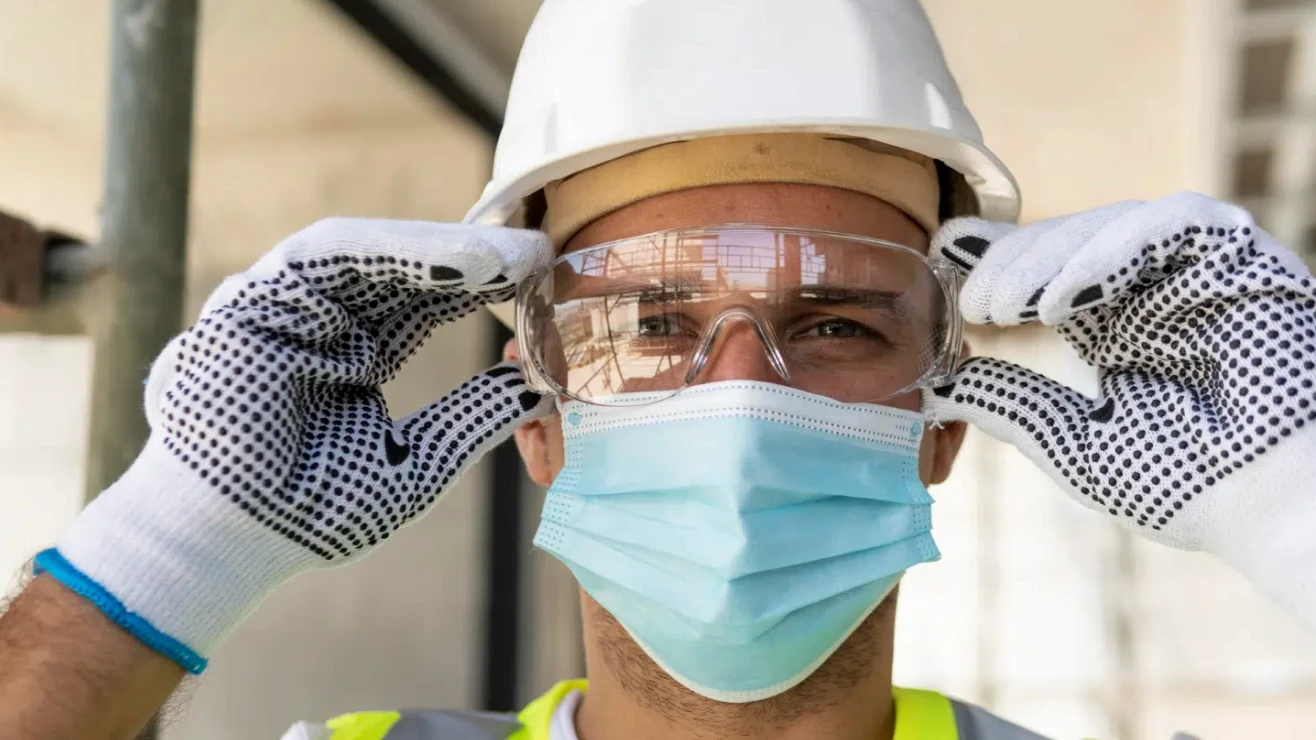
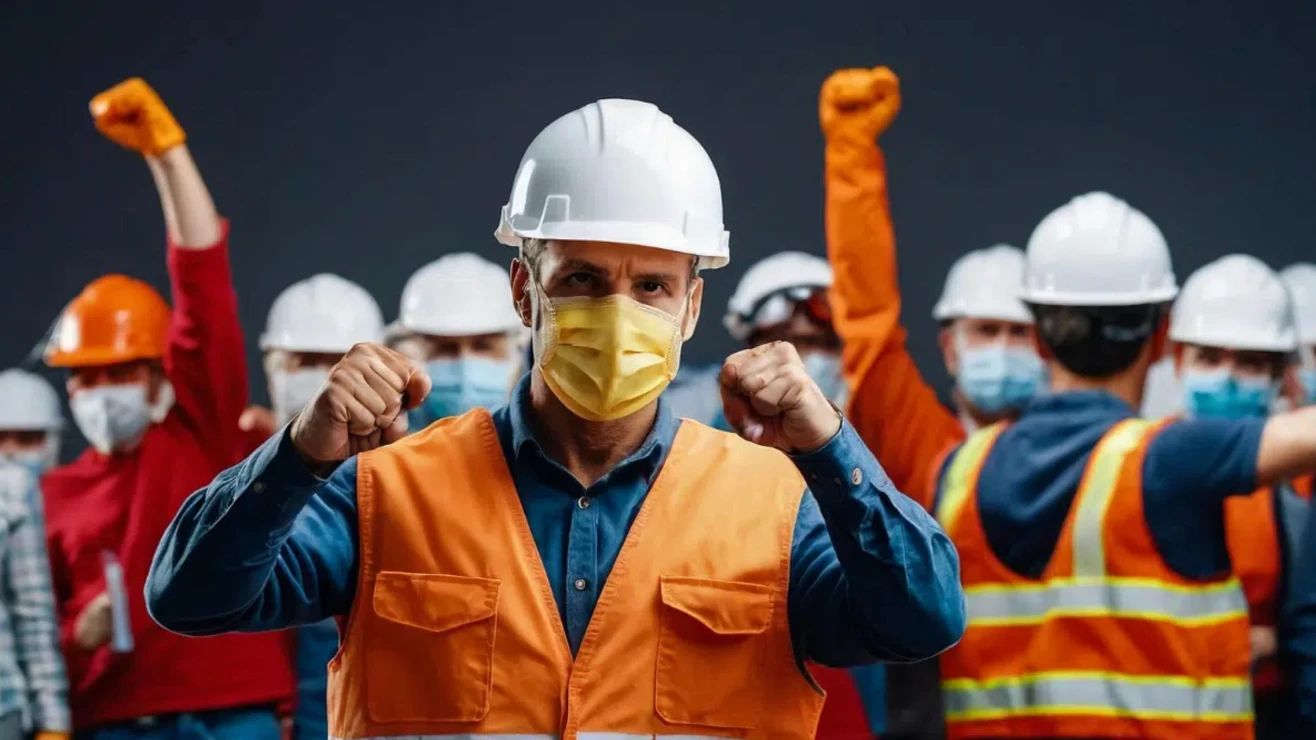
Have you ever stopped to think about the importance of Personal Protective Equipment (PPE) in your daily work? These devices are not just accessories, but fundamental allies in the fight against occupational accidents and illnesses that can directly impact the health and safety of employees.
In this article, you will understand what PPE is and how the correct use of this equipment can transform the work environment, preventing injuries and ensuring well-being.
In addition, we will explore the different types of PPE, their legal obligations, and how their correct use benefits both workers and companies. Get ready to understand how a simple helmet or pair of gloves can make all the difference in protecting those who are exposed to risks daily!
Speak with one of our specialists and discover how Pix Force can transform your business
What is PPE?
Personal Protective Equipment (PPE) is an essential tool in the field of occupational safety, designed to protect workers against risks that may threaten their health and physical integrity during the execution of their activities.
These devices are used in a wide range of sectors, from industries and construction to healthcare services, and are fundamental to safeguarding the lives of professionals exposed to various dangerous situations.
PPE can include items such as:
• Helmets
• Safety goggles
• Gloves
• Hearing protectors
• Respirator masks
• Safety footwear
Each of these items was developed to mitigate specific risks. For example, a helmet reduces the impact in case of falling objects, while gloves protect the hands from cuts and chemical substances.
The correct use of PPE is regulated by specific legislation, which determines when and how this equipment must be employed in different work environments.
In addition to being a legal requirement, the proper use of PPE promotes a safer environment, prevents occupational injuries and illnesses, and demonstrates companies' commitment to the health and safety of their employees.
Thus, PPE is not just accessories, but key pieces in building a safety culture within organizations.
Types of PPE
Personal Protective Equipment (PPE) is categorized into several types, each designed to protect workers from specific hazards present in different work environments. Below, we highlight some of the main types of PPE:
• Head Protection: Includes safety helmets and caps, which protect the head from impacts and falling objects. They are essential in sectors such as construction and manufacturing.
• Eye and Face Protection: Safety glasses, face shields, and visors help prevent eye injuries caused by particles, chemicals, or radiation.
• Hand Protection: Gloves vary according to the type of hazard. There are latex, nitrile, leather, and thermal protection gloves, each suitable for different tasks such as handling chemicals or cutting.
• Hearing Protection: Earplugs and earmuffs are essential in environments with excessive noise, preventing hearing damage.
• Respiratory Protection: Masks and respirators are used to protect respiratory health in environments with toxic vapors, dust, or fumes.
• Foot Protection: Safety footwear, such as reinforced boots, protects feet against impacts and electrical hazards.
Each type of PPE is crucial for worker safety, and its selection must be appropriate for the hazard scenario faced, ensuring the necessary protection for each activity.
Importance of Using PPE
The importance of using Personal Protective Equipment (PPE) cannot be understated in the workplace.
These devices are fundamental to ensuring the safety and health of workers, preventing accidents and occupational diseases. As the first line of defense against various risks, PPE helps to minimize the impacts of potentially dangerous situations, such as falls, cuts, exposure to chemical substances, and excessive noise.
In addition to protecting the physical integrity of workers, the proper use of PPE is a legal obligation, in accordance with safety standards established by regulatory bodies. Companies that promote the use of PPE demonstrate a serious commitment to the well-being of their teams, contributing to a safer and healthier work environment.
Furthermore, the consistent use of PPE can lead to a significant reduction in workplace accident rates, resulting in fewer interruptions in activities, lower costs with compensations, and better productivity.
A safety culture, which values the use of PPE, also promotes awareness among employees, encouraging the adoption of safe practices and mutual responsibility.
In short, the importance of using PPE is evident not only in protecting workers but also in strengthening companies' commitment to occupational safety and health, creating a safer work environment for everyone.
Legislation on PPE
Brazilian legislation establishes clear guidelines for the use of Personal Protective Equipment (PPE) with the goal of ensuring the safety and health of workers.
Regulatory Standard NR 6, created by the Ministry of Economy, is the main reference in this context. It defines that PPE must be provided free of charge by the employer and that its use is mandatory when collective protection measures are not sufficient to ensure worker safety.
NR 6 also establishes criteria for the selection, use, and maintenance of PPE, ensuring that these devices are appropriate for the type of risk to which workers are exposed. Furthermore, the legislation determines that the equipment must have certification attesting to its compliance with safety standards, guaranteeing that they are effective in protecting against identified hazards.
Other legal provisions, such as the Consolidation of Labor Laws (CLT) and Regulatory Standard NR 9, complement this legislation by addressing the importance of prevention and the promotion of healthy working environments.
Non-compliance with PPE-related regulations can result in sanctions for companies, in addition to significantly increasing the risks of occupational accidents and illnesses. Thus, legislation on PPE plays a fundamental role in creating a culture of prevention, promoting the safety and health of workers in various labor activities.
Tips for the Correct Use of PPE
The proper use of Personal Protective Equipment (PPE) is essential to ensure worker safety. Here are some tips to ensure the effectiveness of these devices:
• Proper choice: Before using PPE, it is fundamental to choose the correct equipment for the type of risk present in the work environment. Consult the specific standards and recommendations for each situation.
• Verify fit: PPE must be the appropriate size and properly adjusted to the worker's body. Ill-fitting equipment can compromise its effectiveness and even cause discomfort.
• Regular inspection: Perform periodic inspections on PPE to ensure they are in good condition. Replace any equipment that shows signs of wear or damage.
• Education and training: Workers must receive adequate training on the correct use of PPE, including how to put it on, take it off, and maintain it.
• Maintenance and cleaning: Follow the manufacturer's instructions for cleaning and maintaining the PPE. Regular sanitation helps extend the lifespan of the equipment and ensure its effectiveness.
• Report problems: Immediately inform supervision of any problem with the PPE, such as discomfort or damage. Communication is vital to prevent accidents.
Following these tips contributes to a more efficient safety culture, protecting the health and physical integrity of workers and promoting a safer work environment.
Conclusion
The proper use of Personal Protective Equipment (PPE) is a fundamental measure for promoting the safety and health of workers in various work environments. These devices not only mitigate risks but are also required by legislation, highlighting their importance in preventing occupational accidents and illnesses. Awareness of the correct use and maintenance of PPE is essential to ensure that workers are properly protected.
In short, investing in the implementation of a safety culture that values the use of PPE is a crucial step toward building safer and healthier work environments. By prioritizing the health of employees, companies not only fulfill their legal obligations but also promote the well-being and productivity of their teams, reflecting a more harmonious and efficient work environment.
If you want to know how the use of technology can transform the control of PPE use in your company, you need to know Pix Safety. Click here and learn more.

Fabio Caraça
Fábio Caraça is the Chief Growth Officer at Pix Force. He leads Pix Force's transformation into a scalable SaaS operation, combining strategic vision, culture, and high-impact execution.