Energy
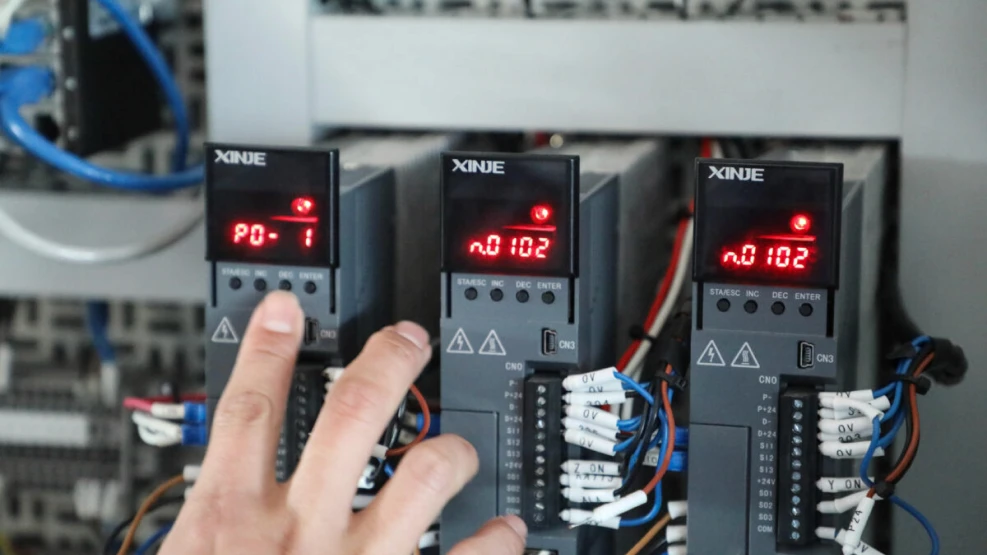
The indoor power substation represents a revolution in electrical energy distribution, playing a fundamental role in the safe and efficient transmission of electricity from generating plants to final consumers.
In this context, it is essential to understand the operation, advantages, and importance of maintaining indoor substations to ensure the continuity of electricity supply in an efficient and safe manner.
Given the increasing demand for energy and the growing complexity of electrical grids, the proper implementation and maintenance of indoor substations are essential to ensure a reliable and sustainable electrical supply. In this article, you will learn everything about power substations.
READ ALSO: • High voltage substation: discover its main characteristics
• What is industrial Thermography?
Speak with one of our specialists and discover how Pix Force can transform your business
What is a power substation?
At the heart of power distribution, the power substation plays a crucial role. They are strategic points in the electrical grid where electrical voltage is transformed to different levels, facilitating the safe and efficient transmission of electricity from generating plants to homes, industries, and businesses.
Substations can be classified into different types, such as outdoor substations, compact substations, and indoor substations. Each has its specificities and applications, depending on the environmental conditions and operational needs of the region.
In this blog, our focus will be on indoor substations, understanding how they work, their differences compared to other types of substations, essential components, and the importance of their maintenance.
How does an indoor substation work?
Indoor substations are facilities where all electrical equipment is located inside buildings or enclosed structures. This type of substation offers several advantages, especially in urban areas or locations with adverse weather conditions.
Weather protection
The main characteristic of indoor substations is protection against weather conditions. They are designed to protect electrical equipment from external factors such as rain, snow, dust, and pollution. This ensures more reliable operation and a longer service life of the components.
Security and Controlled Access
Another significant advantage is enhanced security. Since the equipment is housed inside a structure, unauthorized access is easier to control, reducing the risks of vandalism and accidents. Furthermore, operation and maintenance can be performed under safer and more comfortable conditions for the professionals involved.
Noise reduction
Indoor substations also help to mitigate the noise generated by high-voltage equipment. This is particularly important in densely populated urban areas, where noise pollution can be a problem for residents.
What is the difference between an indoor substation and other substations?
To better understand the relevance of indoor substations, it is essential to compare them with other types of substations, such as outdoor and compact ones.
Outdoor substations
Outdoor substations are those where electrical equipment is installed in the open air. Although they are generally cheaper to install initially, they are more exposed to damage from weather and vandalism, in addition to occupying more physical space. Therefore, the importance of regular inspection of these outdoor substations, learn more about this by clicking here .
Compact substations
Compact substations are an evolution of outdoor substations, where the equipment is mounted on compact structures that occupy less space. However, they can still be exposed to adverse external conditions and do not offer the same level of protection as indoor substations.
Advantages of indoor substations
Indoor substations stand out for their combination of protection, safety, and efficiency. They are ideal for areas where space is limited and environmental protection is essential. Furthermore, their installation can be aesthetically more pleasing in urban environments, where large outdoor structures may be undesirable.
What are the components of a substation?
An electrical substation, including indoor ones, is composed of several essential components that ensure its efficient and safe operation.
Transformers
Transformers are the heart of any substation . They are responsible for adjusting voltage levels as needed for the transmission and distribution of electricity. In an indoor substation, the transformers are protected within the structures, ensuring stable and long-lasting operation.
Circuit Breakers and Disconnectors
Circuit breakers and disconnectors are critical safety devices. Circuit breakers protect the substation against overloads and short circuits, automatically interrupting the flow of electricity when necessary. Disconnectors allow manual disconnection of circuits for maintenance and other operations.
Control and Protection Panels
Control and protection panels monitor and control the entire operation of the substation. They include instruments for measurement, protection, and remote control, ensuring that the substation operates efficiently and safely.
Indoor substation maintenance: how does it work?
Regular maintenance of indoor substations is essential to ensure their continuous operation and prevent unexpected failures. Here are some essential practices for maintaining these facilities.
Regular Visual Inspection
Regular visual inspections help identify apparent issues, such as wear, corrosion, and mechanical damage to the equipment. In indoor substations, these inspections are facilitated by the controlled and protected environment.
Tests and Measurements
Performing periodic tests and measurements on electrical components is crucial for detecting anomalies before they become major problems. This includes insulation resistance testing, oil analysis in transformers, and verifying the operation of circuit breakers and disconnectors.
Cleaning and Conservation
Regular cleaning of the equipment and the internal environment of the substation is necessary to prevent dust and dirt accumulation that could compromise operational efficiency and safety. In indoor substations, this task is more manageable due to protection against external dirt.
Conclusion: The Importance of Indoor Substations
Indoor substations are a vital innovation in power distribution. They offer enhanced protection, safety, and efficiency, especially in challenging environments. With the ability to protect equipment from weather, control access, and reduce noise, indoor substations are an ideal choice for urban areas and regions with adverse weather conditions.
Understanding the operation and maintenance of these substations is crucial to ensuring reliable and continuous electrical operation. As demand for energy grows and power grids become more complex, the importance of well-designed and maintained substations has never been greater.
If your organization is considering implementing or upgrading power substations, the indoor substation should be at the top of the list of options. They not only ensure better performance and safety, but also contribute to a cleaner and quieter urban environment.
Do you want to know more about how to inspect a power substation in an automated way using images and drones? Then click here .

Fabio Caraça
Fábio Caraça is the Chief Growth Officer at Pix Force. He leads Pix Force's transformation into a scalable SaaS operation, combining strategic vision, culture, and high-impact execution.