Occupational health and safety
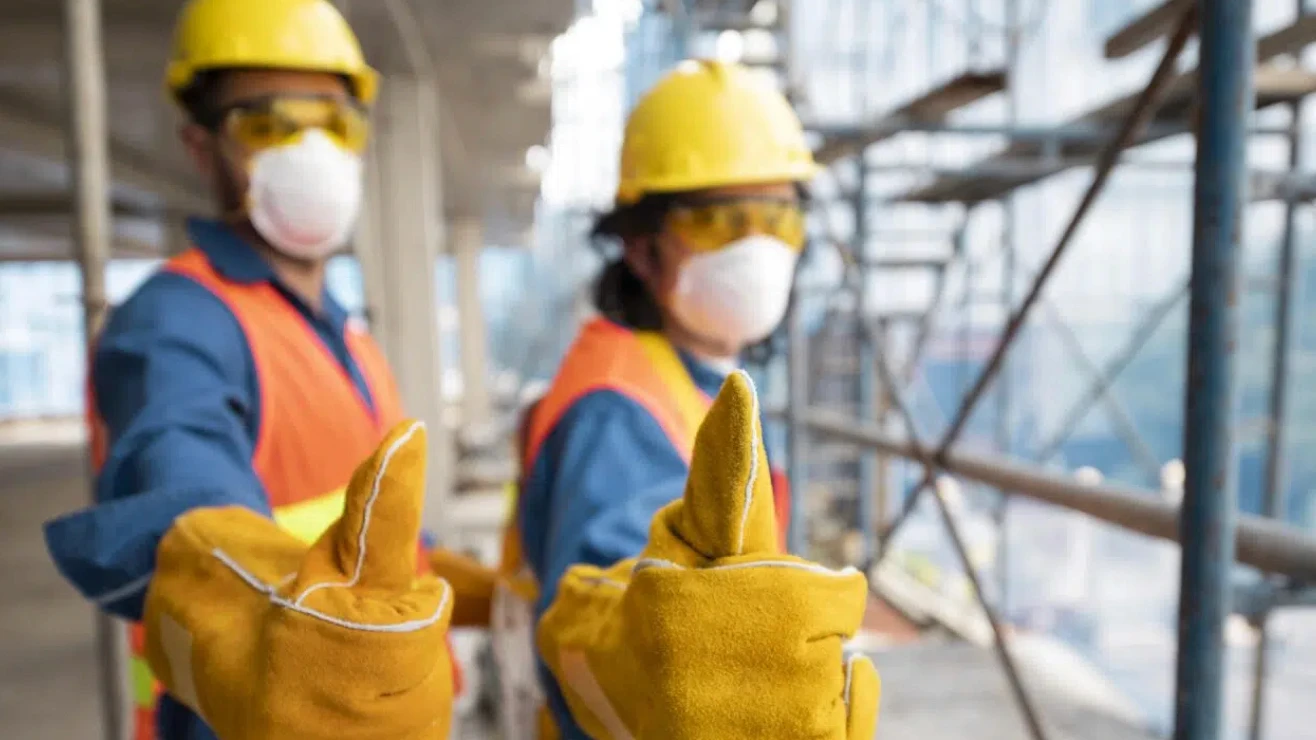
Occupational safety is a priority in any professional environment, as it aims to protect the health and well-being of employees. By implementing appropriate safety procedures, companies can reduce the risk of accidents and ensure a healthy working environment.
In this article, we will explore how occupational safety procedures work, including their importance, objectives, and the best practices to be adopted.
Understanding these guidelines not only helps comply with legislation but also promotes an organizational culture focused on accident prevention.
Get ready to discover how occupational safety can improve the quality of life in the corporate environment and for workers.
READ ALSO: • Technology in occupational safety
• Innovation in occupational safety
• Occupational safety tips
Speak with one of our specialists and discover how Pix Force can transform your business
What are Occupational Safety Procedures?
Occupational safety procedures are a set of practices and measures implemented by companies to ensure the protection of employees. Their main objective is to minimize the risks of occupational accidents and diseases, creating a safer and healthier work environment. Adopting these procedures is an essential requirement for any organization that values the integrity of its team and legal compliance.
Definition of Occupational Safety Procedures
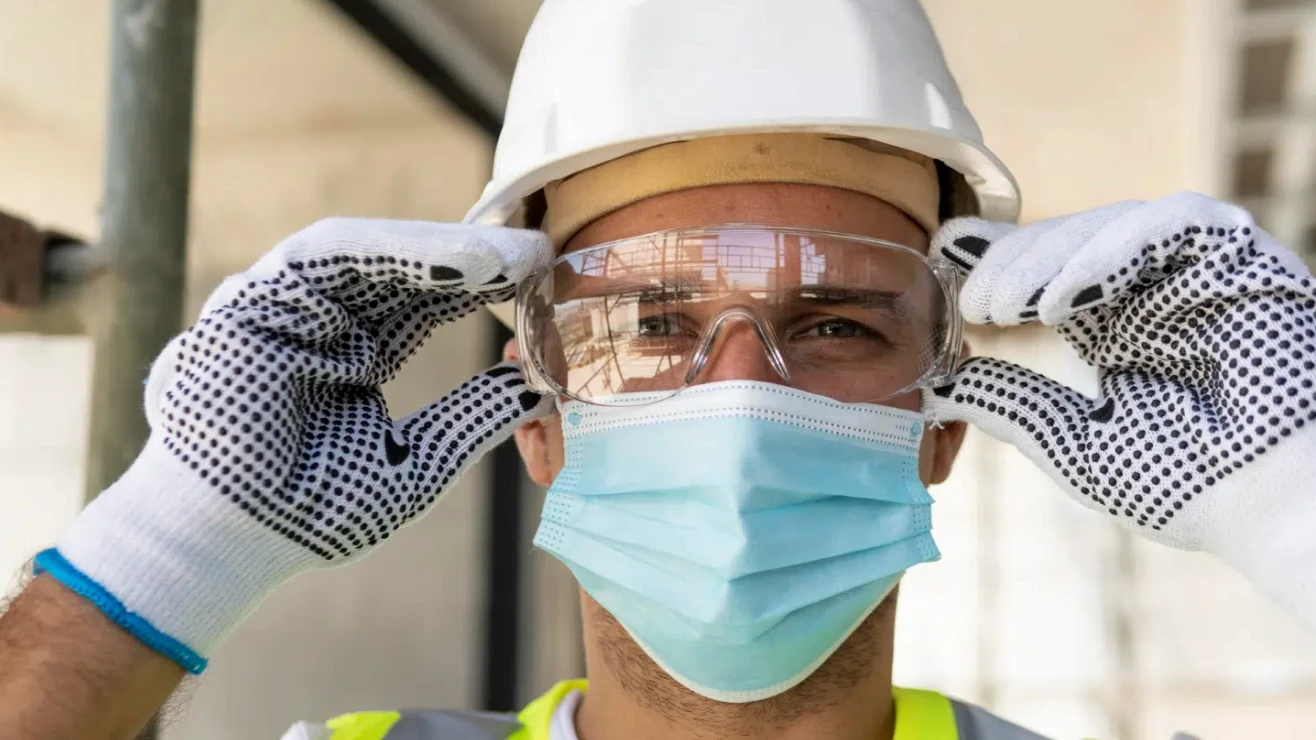
Safety procedures are specific guidelines that instruct workers on how to perform their duties safely. They cover everything from the correct use of personal protective equipment (PPE) to conducting training and emergency simulations.
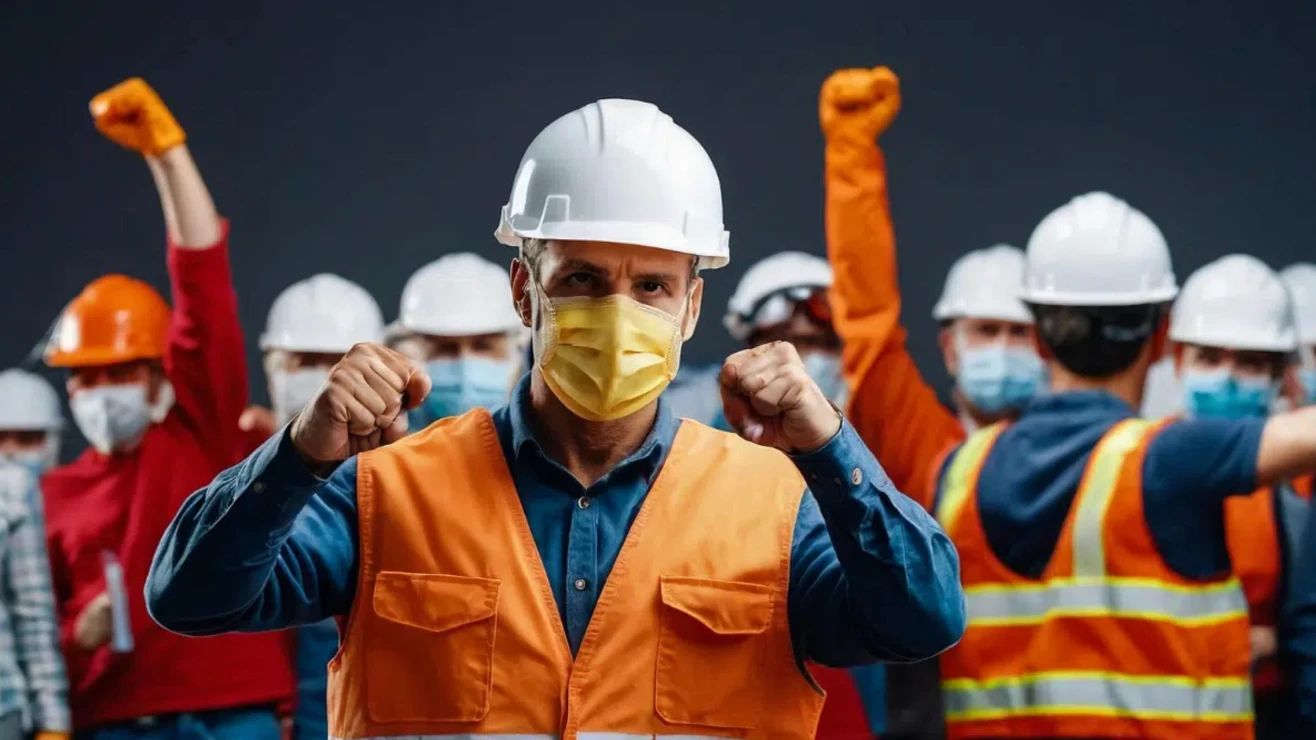
These procedures are essential for promoting safety at work, as they help identify risks and adopt practices that prevent accidents. In addition, they contribute to the formation of a safety culture within the company, where all employees are active in protecting one another.
Related Legislation (Regulatory Standards - NRs)
The Regulatory Standards (NRs) are a set of rules established by the Ministry of Labor in Brazil, aimed at ensuring the safety and health of workers. Currently, there are 37 NRs regulating various aspects of labor activities, from work environments to specific safety procedures. Each standard addresses particular situations and determines the obligations of companies regarding occupational safety. Compliance with these standards is fundamental to avoiding penalties and ensuring a safe environment for everyone.
Main Objectives of Security Procedures
The main objectives of safety procedures are accident prevention and health promotion in the workplace. With the implementation of appropriate practices, companies not only protect their employees, but also create an environment conducive to productivity and general well-being.
Prevention of Occupational Accidents
In this aspect, accident prevention is one of the pillars of occupational safety procedures. This is achieved through hazard identification and the adoption of corrective measures, such as regular training and the use of Personal Protective Equipment (PPE). By promoting a safety culture, organizations can minimize the occurrence of accidents and ensure the physical integrity of employees.
Promotion of Employee Health and Well-Being
Another fundamental objective is the promotion of employee health and well-being. This involves not only preventing accidents but also raising awareness about healthy practices. By offering psychological support, ergonomics programs, and health activities, companies contribute to the quality of life of workers and, consequently, to their productivity.
Implementation of Safety Procedures
The implementation of safety procedures is vital to ensure a healthy and safe working environment. This stage involves the development of policies and practices that comply with legal standards, as well as the awareness and engagement of employees. By creating a safe environment, companies can not only comply with legislation, but also promote the protection and well-being of all workers.
Risk Assessment in the Work Environment
Risk assessment is a fundamental process in the implementation of safety procedures. It consists of identifying and analyzing the hazards present in the work environment, considering factors such as machinery, materials, and environmental conditions.
With this assessment, it is possible to determine the severity and probability of accidents, enabling the application of specific preventive measures.
The implementation of this process must be continuous, promoting regular monitoring and adjustments to safety practices as necessary.
Employee Training and Qualification
Employee training and qualification are essential to ensure the effectiveness of safety procedures.
Through training programs, workers become more aware of risks and learn how to properly use Personal Protective Equipment (PPE).
Furthermore, frequent training addresses emergency situations and safety protocols, empowering everyone to act with safety and responsibility. Promoting a culture of safety requires continuous commitment and engagement from the team.
Monitoring and Continuous Improvements
Monitoring and implementing continuous improvements are fundamental to the effectiveness of safety procedures. This process involves the regular evaluation of the adopted policies and practices, allowing for the identification of failures and opportunities for enhancement. Through a proactive approach, companies can adapt to changes and minimize risks, ensuring a constantly evolving work environment.
Importance of Incident Analysis
Incident analysis is crucial for understanding the root causes of undesired events in the work environment.
When investigating an incident, companies can identify not only what occurred, but also the contributing factors that led to the accident. This practice allows organizations to implement appropriate corrective measures, preventing the repetition of failures.
In addition, incident analysis promotes a culture of safety, showing the company's commitment to protecting employees.
Employee Feedback and Suggestions
Employee feedback and suggestions are essential to strengthen occupational safety. By encouraging workers to share their experiences and opinions, companies have the opportunity to identify areas of improvement that may not be visible to upper management.
This involvement increases awareness of safety practices and promotes a collaborative environment where everyone feels responsible for collective well-being. Implementing these suggestions can result in more effective and safer processes.
Conclusion
In summary, occupational health and safety are essential pillars for employee well-being and organizational efficiency. The implementation of safety procedures, risk assessment, continuous training, monitoring, and incident analysis contribute to a safe working environment.
Furthermore, employee involvement through feedback and suggestions strengthens the safety culture. By prioritizing OHS, companies not only comply with legislation, but also promote a culture of responsibility and care, resulting in a productive and healthy environment.

Fabio Caraça
Fábio Caraça is the Chief Growth Officer at Pix Force. He leads Pix Force's transformation into a scalable SaaS operation, combining strategic vision, culture, and high-impact execution.