Occupational health and safety

Occupational safety is a fundamental aspect for any company that wishes to preserve the health and well-being of its employees. Implementing effective measures not only prevents accidents but also promotes a productive working environment. With special attention to prevention, it is possible to reduce accident-related costs and increase team confidence.
This article presents occupational safety tips that can be applied in different work environments, helping your company maintain a high standard of safety and efficiency. Keep reading to discover how to protect your team and your business.
Speak with one of our specialists and discover how Pix Force can transform your business
What is Occupational Safety?
Occupational safety is an area dedicated to preventing accidents and occupational diseases, promoting the health and well-being of workers. This involves identifying risks in the work environment and implementing measures to minimize them.
By adopting appropriate standards and regulations, companies not only comply with the legislation, but also promote the well-being of their teams, resulting in greater productivity and job satisfaction.
Companies must follow standards and regulations, such as the Regulatory Standards, which establish clear guidelines for safety, ensuring that all employees are protected while performing their activities.
Practical Workplace Safety Tips
The implementation of practical workplace safety tips is essential to ensure the protection of all employees. Simple day-to-day measures can significantly reduce the risk of accidents and improve the work environment. Below, we address several initiatives that can be applied in any company to promote a safe environment.
1) Keep the Workplace Organized
The organization of the workspace is crucial to prevent accidents. Keep the area clean, free of unnecessary objects and scattered tools. This reduces the risk of trips, falls, and other incidents. Encourage the team to follow organization practices, such as returning tools to their proper places after use and keeping circulation areas unobstructed.
2) Use Personal Protective Equipment (PPE)
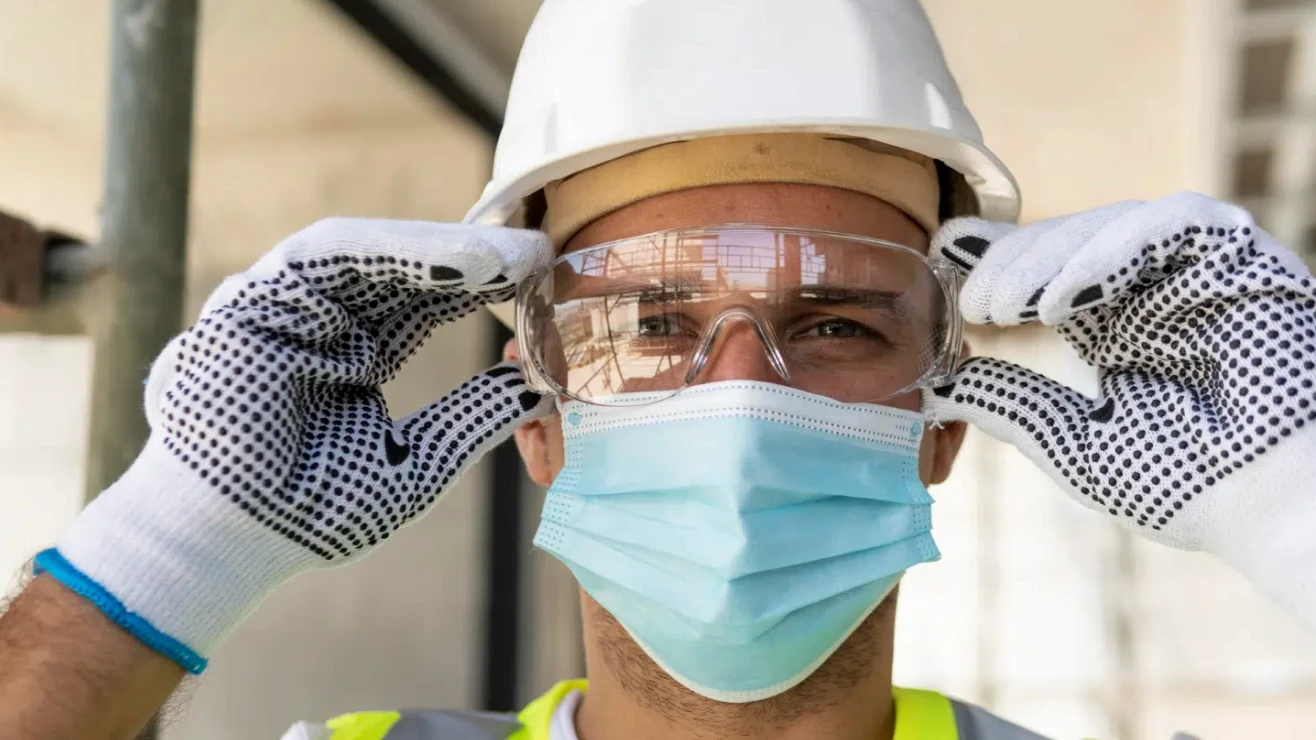
Personal Protective Equipment (PPE) is fundamental for safety in the workplace. It is essential that all employees use the provided PPE, such as helmets, gloves, and protective goggles, according to the activities performed. In addition, the proper use of PPE must be monitored to ensure its effectiveness, and the company must provide training on the importance and correct use of this equipment.
3) Conduct Safety Training
Conducting safety training regularly is essential to keep all workers informed about the risks involved in their roles and the best practices to avoid them. This training should include emergency practices, correct use of PPE, and hazard identification. When employees feel prepared, they become more confident in their roles and a safer environment is promoted.
4) Report Incidents and Near Misses
Reporting incidents and near misses is fundamental to preventing future problems. By reporting these events, the company can identify process flaws and implement improvements. Create an open and secure channel so that workers can report any situation without fear of retaliation. This transparency contributes to building a safety culture within the organization.
5) Maintain Machinery and Tools in Good Condition
Regular maintenance of machinery and tools is vital to ensure their safe and efficient operation. Conduct periodic inspections to identify wear and tear or failures that could result in accidents. The proper functioning of equipment, associated with correct use, ensures that the work environment remains safe. In addition, a maintenance log must be kept to ensure compliance with safety standards.
6) Adopt an Ergonomic Posture and Take Regular Breaks
Adopting proper postures during the execution of activities reduces the risk of repetitive strain injuries. Provide guidance on ergonomics and encourage regular breaks during working hours. These stops help minimize fatigue and increase productivity by allowing employees to recover physically and mentally, resulting in a healthier work environment.
7) Value Attention at Work
Attention during the execution of activities is crucial to prevent accidents. Encourage employees to stay focused on their tasks, avoiding distractions that could lead to errors and incidents. Promote a culture of safety awareness and the importance of being aware of one's surroundings, always ready to act in unexpected situations.
8) Avoid Imprudent Exposure to Risk
It is essential that employees are aware of the risks present in the work environment and avoid exposing themselves to dangerous situations unnecessarily.
9) Encourage Team Care
Promoting safety at work must be a collective responsibility. Encourage employees to look out for one's another, observing safe practices and alerting each other to risky behaviors.
Creating an environment of collaboration around safety helps build a solid culture that prioritizes the protection of everyone, resulting in a more united and conscious team.
More Tips for You to Maintain a Safe Work Environment
10) Maintaining a safe work environment is an ongoing responsibility that requires everyone's attention and commitment.
In addition to the practices already mentioned, here are a few more tips that can contribute to a safer and healthier workspace for all employees.
15) Report Incidents
Immediate reporting of incidents is vital for workplace safety. All employees should be encouraged to report any accident or near-miss, regardless of its severity. This helps identify hazards and implement necessary improvements, contributing to the prevention of new problems.
12) Disseminate CIPA Actions in Relation to Accident Prevention
The Internal Accident Prevention Commission (CIPA) plays a crucial role in promoting safety at work. It is important to disseminate CIPA actions and initiatives to raise awareness among all employees about the importance of accident prevention and involve them in the activities promoted to maintain a safe environment.
13) Only Use Work Machinery that Has Undergone Servicing
Using machinery and equipment that has undergone servicing ensures the safety and efficiency of operations. Perform regular maintenance on machines and always check if they are in proper working condition before starting any activity. This reduces the risk of failures and accidents during work.
Tools in poor condition not only make work difficult but also compromise employee safety. Periodically inspect the tools used and replace those that show wear or defects. Investing in proper tools is an essential measure for the protection of the team.
14) Supervise Machine Operations
Rigorous supervision of machine operations is fundamental to ensure that all safety procedures are being followed. Monitor the proper use of PPE and compliance with safety standards during work with machines, ensuring the protection of the entire team.
15) Bet on Precise Checking Methods
Implement rigorous checking methods to monitor safety practices in the work environment. Regular checklists and audits help ensure that all safety procedures are being followed correctly. This is essential to identify areas that need improvement and ensure compliance with standards.
Benefits of Implementing Safety Tips
Implementing safety tips in the work environment brings a series of significant benefits to companies and their employees. In addition to promoting a healthier and more engaged organizational climate, these practices mitigate risks, protect employees, and reduce costs related to accidents. Adopting a safety culture is an investment that results in long-term benefits for everyone involved.
Improving Employee Health and Well-Being
The implementation of effective safety practices contributes significantly to the health and well-being of employees. By ensuring a risk-free environment, the company promotes the physical and mental protection of workers. This ranges from preventing injuries to reducing stress associated with hazardous working conditions. Employees who feel safe tend to be more satisfied and engaged in their daily activities.
Reduction of Costs with Accidents
Investing in safety at work provides a notable reduction in costs related to accidents. By preventing incidents, companies minimize expenses with compensation, sick leaves, and medical treatments. Furthermore, the reduction in employee turnover and the maintenance of productivity help optimize financial resources. Thus, implementing safety measures is not only ethically correct but also financially advantageous.
Increase in Team Productivity and Morale
A safe work environment is essential to increase team productivity and morale. When employees feel protected and valued, they tend to dedicate themselves more to their duties. Confidence in working conditions results in greater efficiency, lower absenteeism, and better results. In addition, a positive organizational climate strengthens collaboration and teamwork, driving the success of the company.
Conclusion
The implementation of safety practices in the work environment is indispensable to guarantee the protection of employees and the success of the organization. In addition to promoting the health and well-being of the team, these measures contribute to reducing costs related to accidents and increasing productivity.
Creating a safety culture is a shared responsibility among all employees and managers, who must work together to identify and mitigate risks. Thus, by prioritizing safety, companies will not only fulfill their legal obligations but will also build a more positive and efficient work environment, benefiting everyone involved.

Fabio Caraça
Fábio Caraça is the Chief Growth Officer at Pix Force. He leads Pix Force's transformation into a scalable SaaS operation, combining strategic vision, culture, and high-impact execution.