Occupational health and safety
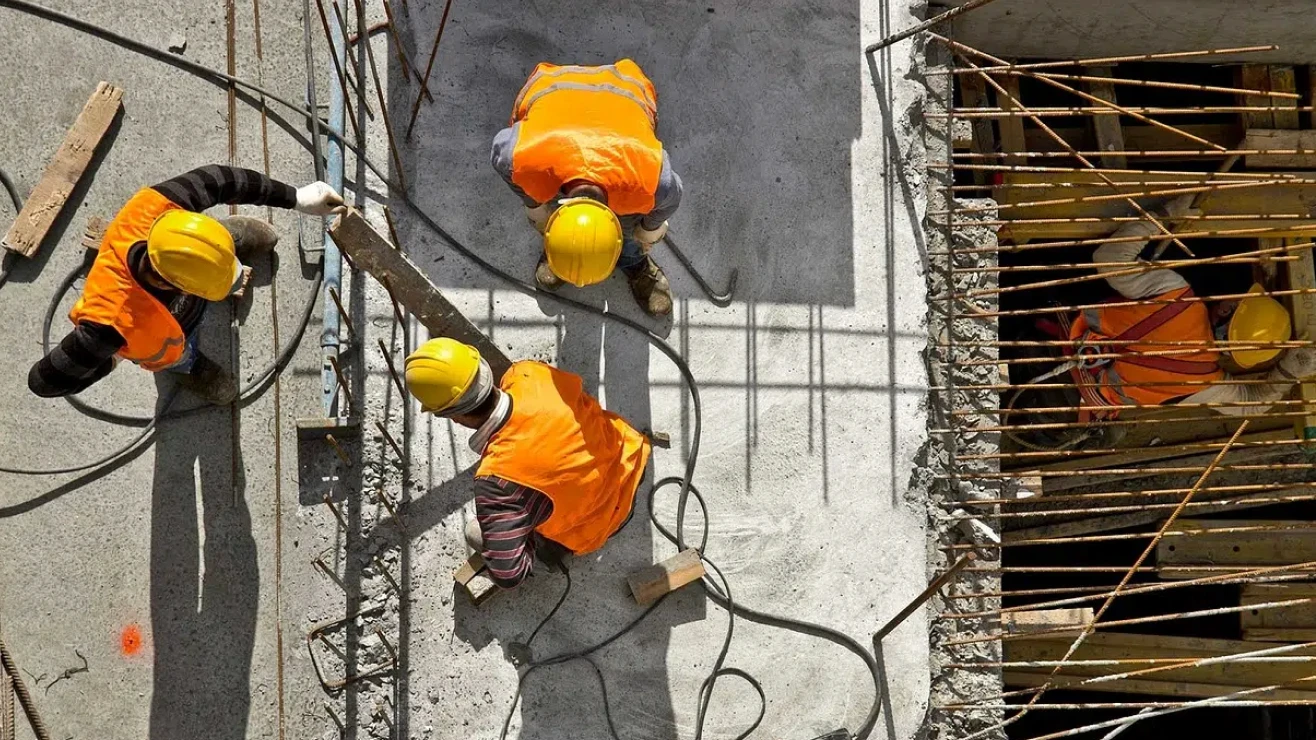
Occupational safety is an essential concern for any company, regardless of the sector. In addition to ensuring the protection of employees, effective safety practices help increase productivity and reduce costs related to accidents.
In this article, we will discuss simple and practical strategies that can be implemented to
improve occupational safety, promoting a safer and healthier environment for everyone.
Speak with one of our specialists and discover how Pix Force can transform your business
Importance of Workplace Safety in the Industry
Workplace safety is a crucial factor in the industry, where risks are frequently high. Implementing effective safety standards not only protects employees but also ensures business continuity.
When employees feel safe, they tend to be more productive and engaged, resulting in a more efficient work environment. In addition, reducing accidents and injuries lowers compensation and insurance costs, as well as improving the company's reputation.
Non-compliance with safety regulations can result in legal penalties and damage to the organization's image. Therefore, investing in workplace safety is not an expense, but rather a strategic decision that can lead to a significant increase in profitability and employee well-being.
Actions to Improve Safety at Work
Improving safety at work involves implementing various practical actions that ensure the protection of employees. Measures such as regular training, risk assessment, and incentives for safe behaviors are fundamental to creating a safe and healthy work environment. Leadership commitment and the active participation of employees are essential for the success of these initiatives.
Team Awareness and Training
Awareness about safety at work must be a pillar in industries. Regular training is fundamental to educate the team about the correct procedures to be followed in risky situations. Interactive workshops and practical simulations help employees recognize them and react appropriately. This approach not only increases safety, but also strengthens the company's safety culture.
Continuous Training Programs
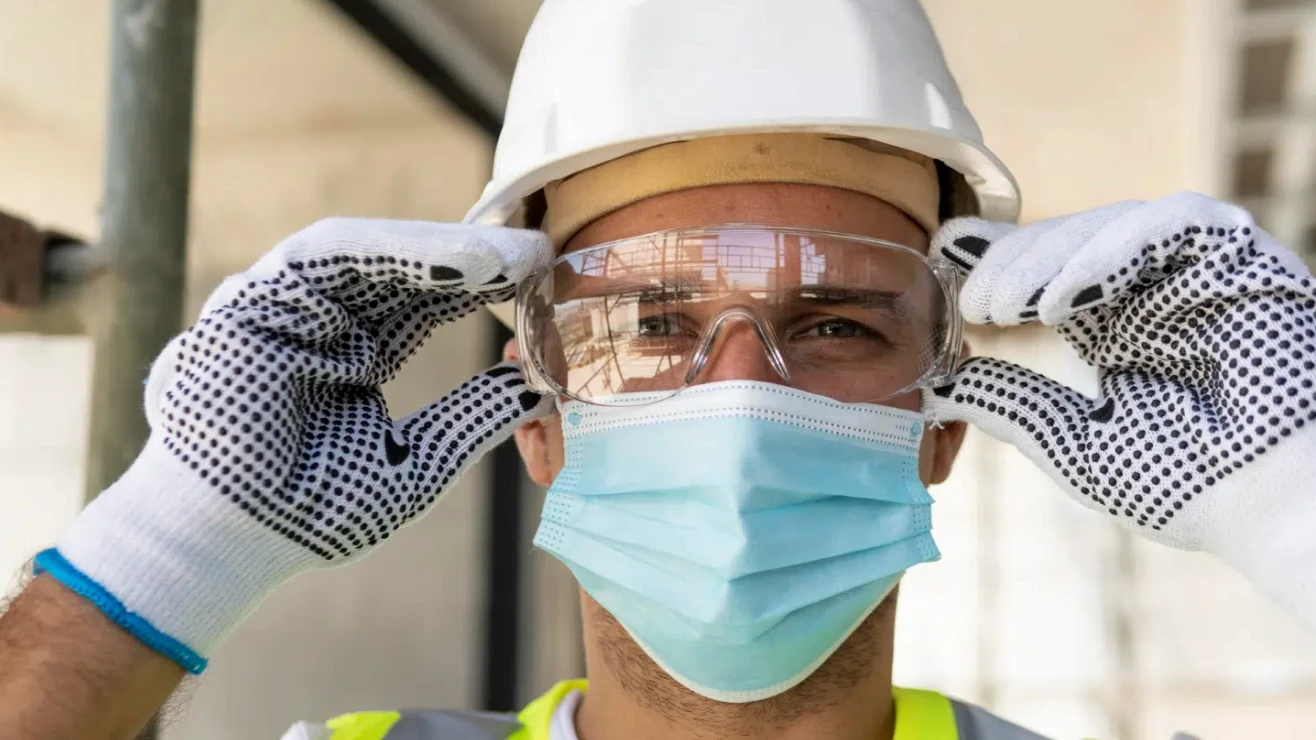
Continuous training programs are essential to ensure that the team is always up to date on safety practices. This includes periodic training sessions covering various topics, from the correct use of Personal Protective Equipment (PPE) to emergency simulations. A well-trained employee is better able to identify risks and avoid accidents, contributing to a safer work environment.
Incentives for Safe Behaviors
Encouraging safe behaviors is an effective strategy to reinforce the safety culture in the workplace. Reward programs can be implemented to recognize employees who demonstrate good safety practices. In addition, creating an environment where safety communication is valued and not punished promotes a proactive attitude toward identifying risks.
Risk Assessment and Compliance
Risk assessment is a fundamental activity for workplace safety management. Identifying, analyzing, and prioritizing potential risks allows companies to implement corrective measures before accidents occur. Compliance with safety standards and regulations is also essential, ensuring that all legal requirements are met.
Hazard Identification in Industrial Environments
Identifying hazards in industrial environments is the first step toward risk mitigation. This involves regular inspections and the analysis of equipment and processes in use. Sharing information about identified hazards with the entire team is crucial to maintaining a safe environment, as awareness is the foundation for prevention.
Monitoring Compliance with Safety Standards
Constant monitoring of compliance with safety standards is essential for the effectiveness of any safety program. Implementing regular audits or checklists can help ensure that safety practices are being followed. Additionally, it is important to provide feedback on safety performance so that the team can continuously adapt and improve.
Implementing Technology to Increase Safety
Technology plays a vital role in improving workplace safety. Advanced tools and systems can assist in hazard identification, monitoring working conditions, and promoting safe practices.
The integration of technological solutions not only improves the effectiveness of safety measures but also provides a safer and more efficient working environment for all employees.
Innovative Technological Solutions
Innovative technological solutions, such as safety sensors, real-time monitoring systems, and safety management software, are essential in modern industry.
These tools allow for the early detection of unsafe conditions and incident tracking, facilitating quick decision-making. Furthermore, the analysis of collected data can help identify patterns and areas that require safety improvements.
Pix Safety: Revolutionizing Workplace Safety
Pix Safety, by Pix Force, transforms ordinary surveillance cameras into advanced safety sensors, taking workplace protection to a new level.
By connecting existing cameras to the platform, it is possible to configure monitoring for specific areas and receive real-time alerts via email and WhatsApp. Supported by Artificial Intelligence, supervision occurs 24/7, ensuring that safety regulations, such as the use of PPE and access to restricted areas, are met. Intuitive dashboards facilitate data analysis, allowing for quick and informed decision-making to increase safety.
Use of Modern Personal Protective Equipment (PPE)
Modern Personal Protective Equipment (PPE) has evolved significantly, incorporating advanced technology to maximize worker safety.
In this case, lighter and more resistant materials, along with features such as sensors that detect toxic gases or temperature changes, offer additional protection. Investing in state-of-the-art PPE is an effective way to ensure the health and safety of employees in industrial environments.
Creating a Solid Safety Culture
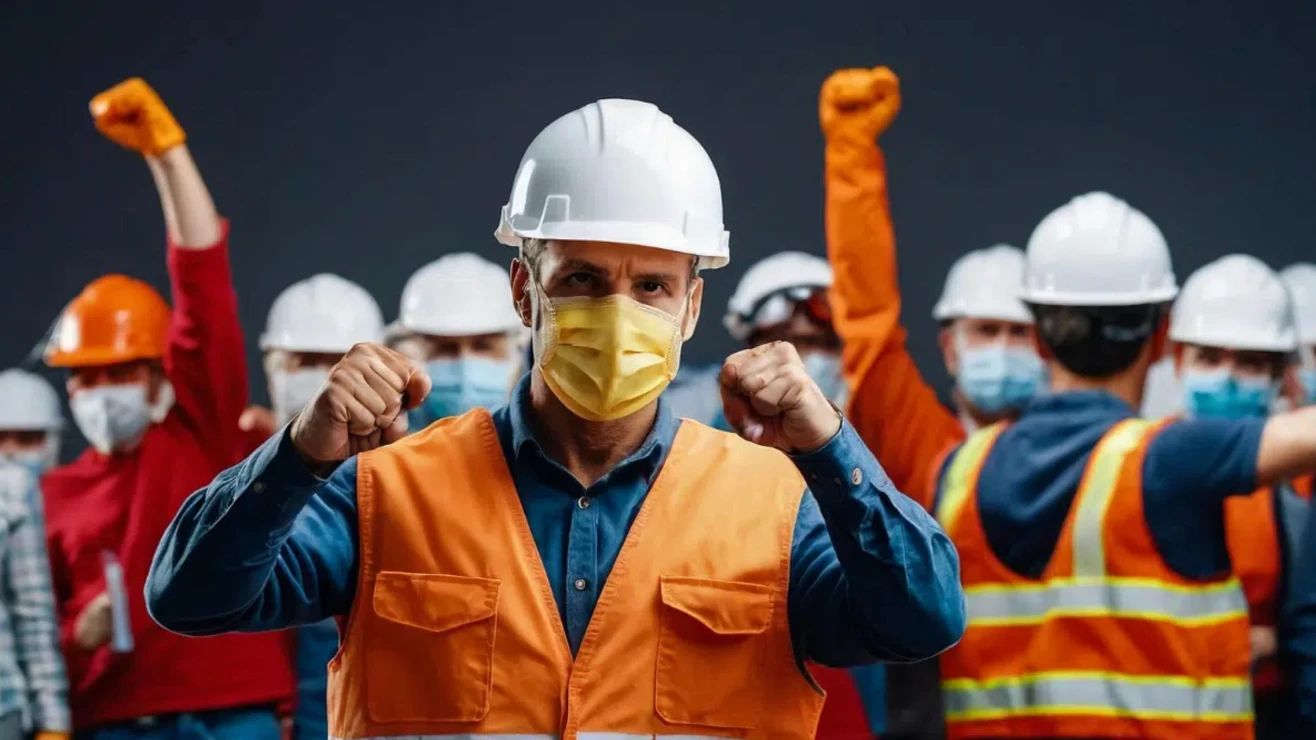
To establish a solid safety culture, it is essential that all employees are committed to safe practices. This requires continuous education and regular training, allowing the team to understand the importance of workplace safety.
Encouraging proactive safety behavior and recognizing initiatives that promote this culture are essential steps to creating an environment where everyone feels responsible and motivated to contribute to collective safety.
Involving All Employees in the Process
Involving all employees is crucial for a safety culture. This can be achieved through participatory training, with workshops that encourage discussion about risks and solutions.
By promoting a collaborative environment where everyone feels comfortable sharing concerns and suggestions, safety becomes a shared priority. When every team member is heard and supported, adherence and commitment to established safety practices increase.
Effective Communication about Safety
Effective communication is one of the pillars of a strong safety culture. Clear information about safety procedures, risk updates, and policies must be regularly communicated to all employees.
Using various channels, such as meetings, emails, and informational boards, ensures that everyone is aware of safe practices.
In addition, constant feedback and the possibility of open dialogue about safety help to continuously adjust and improve protective measures, consolidating a safe and reliable working environment.
Regular Maintenance and Analysis of Results
Regular equipment maintenance is essential to ensure a safe and efficient working environment. This involves not only checking safety devices but also analyzing the results of the implemented practices.
By reviewing reports and feedback, companies can identify areas for improvement and ensure that safety measures are always aligned with the needs of the workplace. The continuity of this process contributes to accident prevention.
Importance of Equipment Maintenance
Equipment maintenance is crucial for safety in the workplace. Equipment in good condition minimizes risks and ensures that employees can perform their duties without worries.
Therefore, performing regular maintenance prevents unexpected failures and reduces downtime, allowing the operation to remain efficient. In addition, continuous maintenance demonstrates the company's commitment to the safety and well-being of its employees.
Periodic Evaluation and Review of Safety Practices
Periodically evaluating and reviewing safety practices is essential to adapt and improve existing policies. This process allows for identifying gaps, analyzing incidents, and implementing necessary adjustments.
With regular assessments, companies can ensure that their safety strategies remain effective and aligned with industry best practices. Furthermore, continuous review strengthens the safety culture and awareness among all employees.
Final Considerations
Creating a solid safety culture requires the commitment of all employees and the implementation of effective maintenance and communication practices.
To improve workplace safety, it is essential to invest in regular training, proper equipment maintenance, and the continuous review of safety strategies.
These actions not only prevent accidents but also promote a more productive working environment. By involving each member of the team in this process, we build a space where safety is prioritized, reflecting on the overall well-being and success of the organization. Thus, safety becomes a shared responsibility, consolidating a strong and proactive organizational culture.

Fabio Caraça
Fábio Caraça is the Chief Growth Officer at Pix Force. He leads Pix Force's transformation into a scalable SaaS operation, combining strategic vision, culture, and high-impact execution.