Occupational health and safety

In the industrial or simply work environment, safe behavior at work is essential to guarantee the health and safety of all employees. What is expected is that each employee adopts attitudes that minimize the risks of accidents and promote a climate of well-being.
This article will address the importance of safe behavior, present practices that can be implemented in companies, and discuss how awareness and training can transform the organizational culture into a safer space.
Speak with one of our specialists and discover how Pix Force can transform your business
What is Safe Behavior?
Safe behavior refers to the set of practices and attitudes that workers must adopt to ensure their own safety and that of their colleagues in the work environment.
It involves compliance with safety regulations, the correct use of Personal Protective Equipment (PPE), and awareness of the risks present in daily activities.
The promotion of safe behavior is a shared responsibility between employers and employees, aiming to create a safer and more productive work environment.
Definition of Safe Behavior
Without wishing to repeat the concept above, safe behavior is the set of actions that a worker takes to establish and maintain their safety and health in the workplace.
It involves understanding the risks, applying prevention measures, and adhering to safety procedures.
This practice requires a proactive mindset, where the worker not only protects themselves, but also contributes to the prevention of accidents and the promotion of a safe environment for everyone.
Examples of Safe Behavior in the Workplace
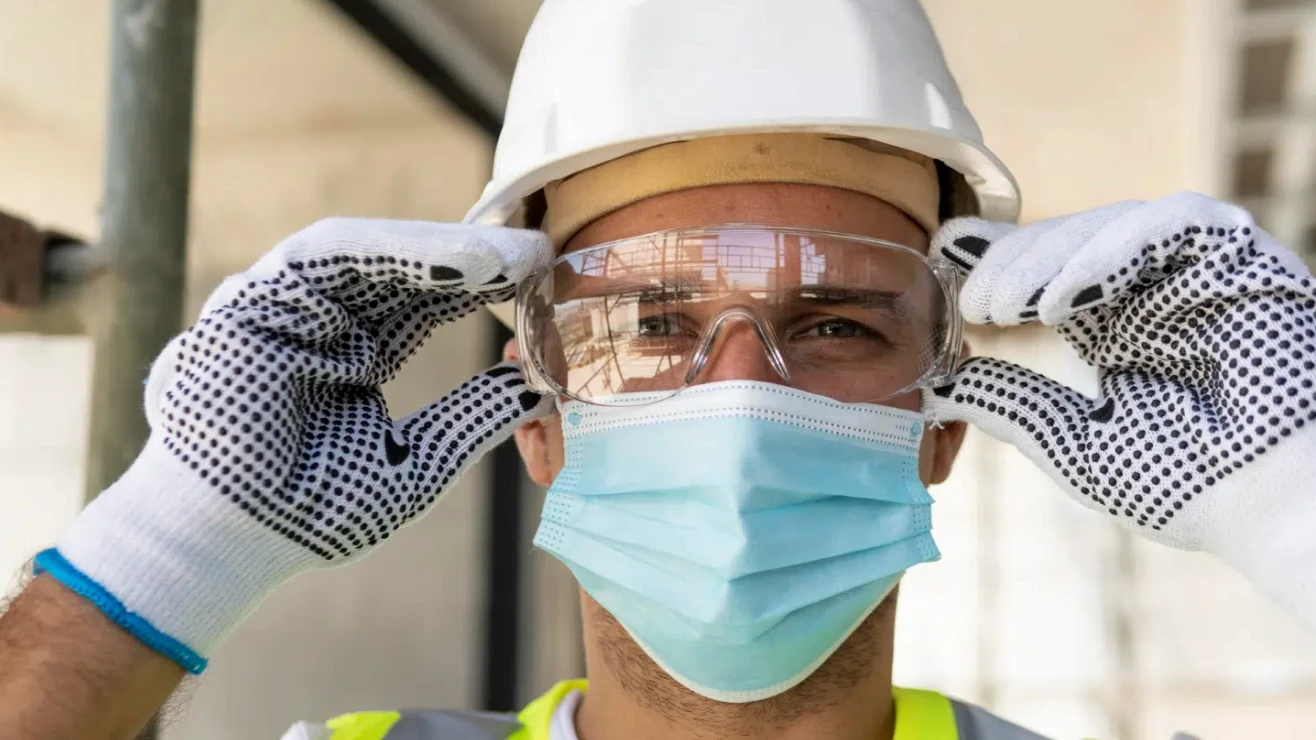
Examples of safe behavior include the proper use of PPE, such as helmets, gloves, and safety goggles, in addition to following safety signs in hazardous areas.
Other examples are taking regular breaks to avoid fatigue, the immediate reporting of incidents, and active participation in safety training. Furthermore, keeping the workspace organized and free of obstructions is also essential to prevent accidents.
The Importance of Safe Behavior
Safe behavior is vital for creating a healthy and productive work environment. It not only protects employees from accidents and injuries, but also contributes to the formation of an organizational culture where safety is prioritized.
By promoting safe behaviors, companies can increase employee satisfaction and reduce costs associated with accidents. Therefore, investing in safety awareness and education is an important strategy for all organizations.
Reduction of Workplace Accidents
The adoption of safe behaviors is an effective way to reduce the occurrence of workplace accidents. This translates into fewer injuries, leaves of absence, and medical treatment costs. With a well-trained team aware of the risks, the probability of incidents decreases significantly, providing a safer environment for all employees and improving overall productivity.
Improving Employees' Mental Health
Workplace safety is not limited only to physical protection, but also impacts the mental health of employees.
A safe and recognized environment promotes greater trust, reduces anxiety, and improves overall well-being. By feeling protected, employees can better focus on their activities, resulting in superior performance and a positive work culture.
How to Encourage Safe Behavior in Companies
Encouraging safe behavior in companies is fundamental to preventing accidents and promoting a healthy environment. This can be achieved through educational actions, the development of a safety culture, and the active involvement of all employees.
Leadership participation and the recognition of good practices are also effective strategies. Creating an environment where employees feel comfortable discussing safety issues can boost the adoption of safe behaviors.
Continuous Training and Capacity Building
Offering continuous training and capacity building is essential to ensure that all employees are aware of best safety practices.
These training sessions should address hazard identification, proper use of PPE, and the importance of following operating procedures.
In addition, regular updates on new technologies and safety practices help keep everyone informed and prepared. By investing in training, companies not only improve safety but also reinforce the importance of safe behavior within the organizational culture.
Implementation of Daily Safety Dialogues (DSD)
Daily Safety Dialogues (DSD) are a valuable tool for promoting safety in the workplace. This practice allows teams to openly discuss risks, learn from past experiences, and share best practices.
Conducting regular DSDs engages employees, making them more aware of the risks present in their daily activities. Furthermore, this space for dialogue encourages feedback and the exchange of ideas, contributing to a stronger and more collaborative safety culture.
Identification of Risks and Risky Behaviors
The identification of risks and risky behaviors is a crucial step towards implementing an effective safety culture.
It involves continuous assessment of the workplace, allowing employees to recognize hazards and adopt preventive measures. Awareness of risky behaviors is essential to minimize the likelihood of accidents.
In this way, it is possible to create a safer and more productive work environment, where everyone feels responsible for collective safety.
Methods for Identifying Risks in the Workplace
There are several effective methods for identifying risks in the workplace, including regular inspections, risk assessments, and employee involvement.
The use of checklists can make it easier to visualize critical areas that need attention.
Additionally, promoting a culture where employees feel encouraged to report potential hazards is key. Conducting safety meetings and analyzing past incidents helps identify patterns and areas requiring improvement, enabling appropriate interventions.
Use of drones and smart cameras, with Pix Safety
The use of drones and smart cameras in Pix Safety revolutionizes workplace safety by offering real-time monitoring and precise image analysis.
These technologies enable automatic detection of PPE, identification of risk areas, and monitoring of inappropriate behavior.
In addition, drones can access hard-to-reach locations, ensuring comprehensive coverage of operations.
With instant alerts and detailed reports, the integration of these tools contributes to a robust and efficient safety culture, minimizing risks and increasing productivity. Click on the banner below to find out how it works.
Common Risky Behaviors and How to Avoid Them
Common risky behaviors include not using PPE, ignoring safety signs, and operating machinery without being properly trained. To avoid them, it is important to promote a culture of awareness, where safety is seen as everyone's responsibility.
Implementing regular training and communicating effectively about the costs and consequences of unsafe behavior can help change this mindset. Additionally, positive recognition of safe actions encourages adherence to practices that minimize risk.
The Importance of Communication in Occupational Safety
Effective communication is fundamental in promoting occupational safety. It ensures that all employees are aware of hazards, appropriate safety practices, and how to report incidents.
An open communication environment also encourages discussion on safety issues, allowing employees to share concerns and suggestions.
Transparency in information contributes to the formation of an organizational culture where safety is a priority, increasing employee trust and commitment.
Effective Safety Communication Channels
Using effective safety communication channels is crucial for disseminating information and proper practices. Regular meetings, notice boards, and instant messaging systems are some ways to ensure information reaches everyone.
Additionally, using digital platforms to share videos, manuals, and safety tips can be an efficient way to engage the team. Diversifying channels allows employees to access information in different formats, facilitating assimilation.
The Role of Leadership in Promoting a Safe Culture
Leadership plays an essential role in promoting a safety culture. Leaders who demonstrate a commitment to safety serve as role models for their teams, setting clear expectations for safe behavior.
Promoting initiatives, offering training, and encouraging dialogues about safety are responsibilities that lie in the hands of leadership. When leaders are actively involved in safety, they not only demonstrate genuine concern but also inspire employees to prioritize safety in their daily activities.
Tools and Management Systems for Safe Behavior
The implementation of tools and management systems is fundamental to promoting safe behavior in organizations.
Safety management software allows for the monitoring of incidents, risk analysis, and PPE control, ensuring that all employees are aware of best practices.
In addition, occupational safety management systems facilitate the planning and recording of training, ensuring that employees are prepared to face risky situations.
Software and Applications for Safety Monitoring
Software and applications designed for safety monitoring are indispensable for the effective management of risks in the workplace. They allow real-time recording of incidents, data analysis, and the generation of detailed reports.
With features such as automatic alerts and integration with mobile devices, these solutions ensure that the team is always informed and prepared to act in emergency situations.
The Importance of Training Control and PPE Use
The control of training and the correct use of Personal Protective Equipment (PPE) are vital to ensure occupational safety.
Conducting regular training keeps employees updated on best practices and safety procedures. Furthermore, an effective management system allows tracking which employees received training and in which areas.
The proper use of PPE prevents accidents and injuries, protecting workers' health. Therefore, investing in training and rigorous control of PPE is essential to promote a safe and responsible working environment.
Conclusion
In short, the integration of tools and management systems focusing on safe behavior is essential to promote safety in the work environment.
The use of software, smart cameras, and drones, combined with training control and the use of PPE, not only minimizes risks but also creates an organizational safety culture.
Awareness and continuous training are crucial to keep the team engaged and prepared to face challenges. In this way, organizations can ensure not only the safety of their employees but also the efficiency and sustainability of their operations.

Fabio Caraça
Fábio Caraça is the Chief Growth Officer at Pix Force. He leads Pix Force's transformation into a scalable SaaS operation, combining strategic vision, culture, and high-impact execution.