Energy
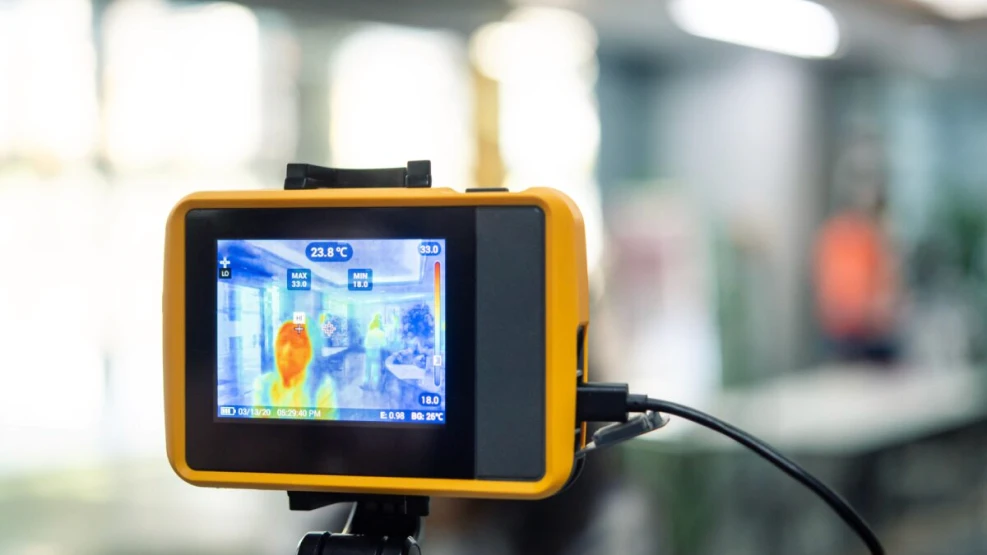
Efficiency and safety in power substations are fundamental for a continuous and reliable supply of electricity. In this context, thermographic inspection stands out as a modern and effective tool, capable of identifying problems before they become catastrophic failures.
Using advanced technology, thermographic inspection in substations allows for the detection of hot spots and thermal anomalies in critical components, promoting predictive maintenance that not only prevents unexpected shutdowns but also optimizes energy consumption.
In this article, we will explore the benefits of thermographic inspection in substations, how it contributes to operational safety, and its positive impacts on energy efficiency.
We will discuss how this method not only protects equipment but also ensures a safe working environment and lower financial burdens, aligning technological innovation with sustainable practices in the electricity sector.
READ ALSO: • Automated transmission line inspection
• Industrial thermography: learn more
Speak with one of our specialists and discover how Pix Force can transform your business
1. What is Thermographic Inspection?
Thermographic inspection is an advanced monitoring technique that uses infrared cameras to capture thermal radiation emitted by electrical and mechanical components.
This non-destructive method allows for real-time temperature visualization, identifying anomalies that may indicate operational problems such as overheating, deterioration of connections, or equipment failures.
In the context of electrical substations, thermography is vital to ensure the safety and efficiency of the system. Through the analysis of thermal images, qualified technicians can detect critical areas that require attention before they turn into serious failures, such as fires or power supply interruptions.
This procedure is an essential part of predictive maintenance, allowing companies to adjust their efforts based on concrete data, thereby improving operational reliability and reducing costs associated with unscheduled downtime.
In summary, thermographic inspection is an indispensable tool that ensures the integrity of substations and provides a safer and more efficient working environment.
2. Importance of Thermographic Inspection in Substations
Thermographic inspection plays a crucial role in the maintenance and operation of electrical substations, being an essential tool to ensure safety and energy efficiency.
One of the main advantages of this technique is the ability to detect thermal anomalies before they become serious problems.
Identifying hot spots in equipment such as transformers, circuit breakers, and electrical connections allows maintenance teams to perform timely interventions, avoiding catastrophic failures that could result in power supply interruptions or significant damage to assets.
In addition to preventing failures, thermography contributes to the optimization of substation performance. By continuously monitoring operating temperatures, it is possible to identify patterns of wear and efficiency, allowing for adjustments that minimize waste and maximize productivity.
Predictive maintenance, made possible by thermographic inspection, also reduces operational costs, as it decreases the need for emergency repairs and extends the lifespan of equipment.
Last but not least, thermography enhances workplace safety. Early detection of problems not only protects assets but also safeguards technicians and employees, reducing the risk of fires and accidents.
Therefore, thermographic inspection is an indispensable practice for the effective and safe management of substations, aligning state-of-the-art technology with operational sustainability.
3. Equipment Used in Thermographic Inspection
Thermographic inspection in substations is performed using specialized equipment that ensures accuracy and reliability in the analyses.
The main instrument used is the thermographic camera, which captures the infrared radiation emitted by objects and converts this information into thermal images.
These cameras vary in resolution and sensitivity, allowing the detection of minimal temperature differences, which is crucial for identifying operational anomalies.
In addition to cameras, other complementary equipment is frequently used.
Portable infrared thermometers offer an additional tool for spot temperature measurements in hard-to-reach locations. Analysis software is also employed, which processes and interprets the thermal images, creating detailed reports that facilitate problem identification.
Another important aspect is temperature recording devices, which continuously monitor the equipment, allowing data collection over time. This provides a more comprehensive overview of the performance of electrical systems.
Together, these devices form a robust set that enables maintenance teams to perform accurate diagnoses and implement effective solutions.
Thus, the proper use of technology in thermographic inspection is fundamental to maximizing safety and energy efficiency in substations.
4. How to Conduct a Thermographic Inspection in Substations
Conducting a thermographic inspection in substations involves a structured process divided into three main stages: preparation, execution, and analysis of the collected data.
Preparation: The first step is to plan the inspection. This includes selecting the appropriate equipment, such as thermographic cameras and infrared thermometers, in addition to defining the critical points to be inspected, such as transformers, circuit breakers, and connectors. It is essential to review the substation's technical documentation and, if possible, conduct a prior site visit to identify areas of higher risk.
Execution: During the inspection, the team must follow strict safety procedures. Thermographic cameras are used to capture thermal images of the equipment, observing and recording temperature variations. It is fundamental to maintain normal operating conditions to ensure accurate results. The measurement should be taken at different times of the day to capture variations that may occur due to changes in the electrical load.
Analysis of Collected Data: After collecting the images, the team analyzes the data using specialized software. This analysis identifies hot spots and other anomalies, generating reports that offer insights into the condition of the equipment. Based on this assessment, corrective actions or predictive maintenance are recommended, ensuring the safety and energy efficiency of the substation. This proactive approach minimizes risks and extends the lifespan of the assets.
5. Examples of Detectable Problems with Thermographic Inspection
Thermographic inspection is a powerful tool for identifying a variety of problems in substations that can compromise safety and energy efficiency.
One of the most common detectable problems is the
overheating of electrical connections, which can occur due to poor installation or wear. These hot spots, if left untreated, can result in catastrophic failures.
Another frequent issue is the
identification of equipment failures, such as in transformers. An increase in temperature during operation can signal internal problems, such as gas emissions or insulation degradation, enabling interventions before complete failures occur.
Circuit breakers are also targets for inspection, as an abnormal increase in temperature can indicate overloads or mechanical failures. Additionally, thermography can detect problems in cooling systems, such as fans and radiators, which, if inefficient, can lead to equipment overheating.
Lastly, the inspection can reveal
physical damage in components, such as cracks or wear, that are not visible to the naked eye. The ability to detect these problems early not only maximizes safety but also contributes to operational efficiency, preventing unexpected interruptions and high costs with corrective maintenance.
Substation Inspection with Pix Grid: An Efficient and Organized Process
With the use of Pix Grid, inspection routes are executed in an automated and standardized manner, allowing for precise equipment mapping. This method not only improves efficiency but also reduces the margin of error during inspections.
The process begins with uploading data via a flight app integrated into the platform, optimizing the collection of information.
Images captured by drones are automatically organized by equipment type, facilitating analysis.
The platform's features include the collection of high-resolution and thermographic images, allowing for a thorough inspection and the identification of anomalies. In addition, computer vision, machine learning, and artificial intelligence capabilities are employed to optimize the generation of information, increasing productivity and ensuring the safety of the teams involved.
Through this innovative approach, Pix Grid provides an effective way to make the substation inspection process faster, more accurate, and organized, contributing to a robust data history and traceability of operational conditions.
Conclusion
Thermographic inspection stands out as an indispensable tool in the management and maintenance of substations, offering a proactive approach to identifying problems before they become critical.
By enabling the early detection of faults, temperature variations, and wear in components, this technique not only increases operational safety but also extends the lifespan of assets, reducing costs related to corrective maintenance and unexpected outages.
Investing in regular thermographic inspections is a significant step toward ensuring the energy efficiency of substations. With the ability to monitor operational conditions in real time, companies can optimize their operations, ensuring their infrastructures function reliably and sustainably.
Thus, the implementation of this technology is an essential component for the future of energy management, promoting a safer and more efficient electrical grid.
If you want to know more about how to perform substation inspections efficiently, get in
touch
with us!

Fabio Caraça
Fábio Caraça is the Chief Growth Officer at Pix Force. He leads Pix Force's transformation into a scalable SaaS operation, combining strategic vision, culture, and high-impact execution.