Energy
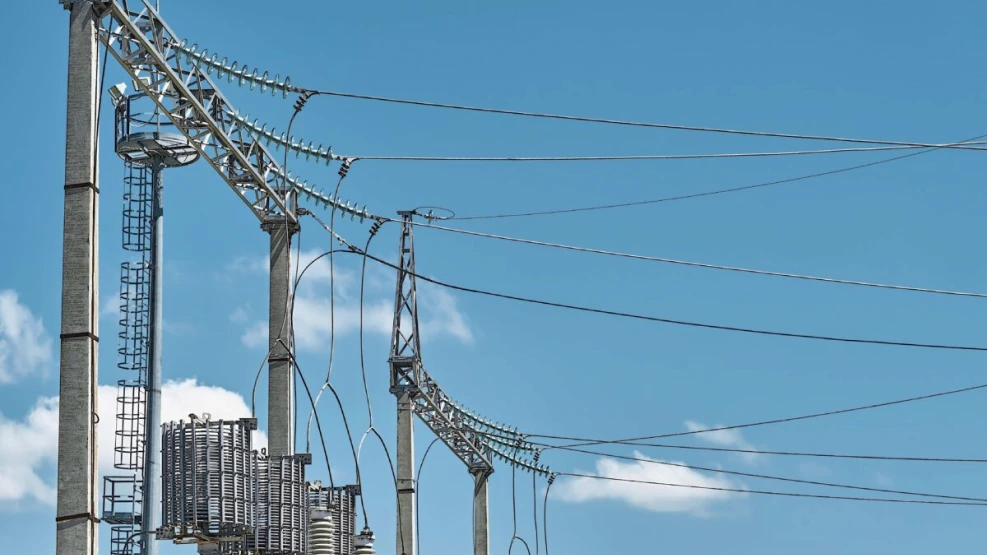
Simplified substations, also called overhead stations, are essential solutions for electric power distribution, designed to optimize both efficiency and safety in electrical installations. In this article, we will explore the main elements that make up a simplified substation, from three-phase transformers to environmental safety considerations, including the importance of protection against overloads and short circuits. If you are wondering how these structures work and what their relevance is in today's energy landscape, read on to discover the basics of this essential topic. ALSO READ: • What is a power substation?
• Substation maintenance: how does it work?
• Transmission line inspection
Speak with one of our specialists and discover how Pix Force can transform your business
What is a power substation?
A power substation is a vital component in the electrical grid, responsible for transforming and distributing electricity safely and efficiently. In essence, it acts as a hub point where generated power is received, converted, and redistributed to end consumers. In a typical substation, high-voltage electrical energy is stepped down to lower levels suitable for residential and commercial use by transformers. Substations can vary in size and configuration, but simplified shielded substations (SEBS) have gained prominence for their fast and compact installation. Designed to minimize the need for major civil works, they incorporate high- and low-voltage elements along with safety systems to protect operators and the environment. Thus, they are a modern solution to serve both the free energy market and renewable source installations, such as solar and wind, ensuring efficiency and sustainability in the use of electrical energy.
How does a simplified substation work?
A simplified substation is a facility designed to transform medium-voltage electrical energy into low-voltage energy, providing efficient and safe distribution. It is composed of a three-phase transformer, which steps down the voltage to levels suitable for consumption, usually 440/254V. Operation begins with the connection of the substation to the high-voltage grid. The protection of the medium-voltage part is carried out by single-pole fuse switches, while low-voltage protection is guaranteed by thermomagnetic circuit breakers. These protections are essential to prevent overloads and short circuits. To ensure the safety of operators and the integrity of the environment, the substation is equipped with grounding systems and containment basins in case of oil leaks. Furthermore, the simplified configuration allows for rapid installation with minimal masonry work, making it a practical and effective solution to meet the electrical demands of small and medium consumers. In summary, the simplified substation combines efficiency, safety, and ease of installation, making it an ideal choice for those looking for a compact and functional electrical solution.
The characteristics of a simplified substation
Simplified substations are also called aerial substations, being installed on poles and designed to transform voltages, generally with power ratings ranging from 75 to 300 kVA, and can reach up to 500 kVA in specific cases. This model is characterized by its lightweight arrangement and easy installation, requiring minimal civil works. In medium voltage protection, surge arresters and K-type or H-type fuse switches are used, ensuring safety against overloads. The low voltage is controlled by circuit breakers located in surface-mounted panels near the pole structure. In addition, energy metering can be done on the wall, although this method is increasingly less accepted by utility companies due to the issue of transformer losses. This simplified approach offers a practical and economical solution, but faces regulatory challenges, leading many utility companies to opt for more robust and shielded models with medium voltage metering.
Substation Components
A substation is composed of several key elements that ensure its functionality and efficiency in electrical power distribution. Among the main components are transformers, which play the vital role of converting electricity voltage. They allow the energy generated at high voltage to be stepped down to levels suitable for consumption. Another essential component is the protection system, which includes circuit breakers and fuses, designed to detect faults or overloads in the system, interrupting the flow of electricity when necessary. In addition, disconnect switches allow circuits to be disconnected for maintenance and safety. Supporting structures, such as mounts and busbars, connect the various elements, ensuring the integrity of the electrical grid. Lastly, control and monitoring systems are fundamental to ensure the substation operates efficiently, allowing for real-time analysis of electrical conditions. These components interact in an integrated manner and are essential for the safe and effective operation of a substation, providing reliable and quality power distribution.
Other types of Substations
Substations can be classified into different types, each with specific functions and applications in the electrical grid. Generating substations are where energy is converted from the form in which it is generated, usually to high voltage, and are essential for integrating renewable energy sources. Transmission substations, on the other hand, are responsible for reducing voltage to levels suitable for the final consumer, allowing the safe use of electricity in homes and industries. These are the most common in the electrical system. Distribution substations, in turn, are located closer to consumers and have the function of distributing electrical energy at local levels, connecting to smaller grids. Another categorization is GIS (gas-insulated substations) or shielded substations, which are compact and offer greater protection, making them ideal for urban areas where space is limited. Finally, we have mobile substations, which can be moved as needed, offering flexibility in emergency situations or construction work. Each type of substation has specific characteristics, meeting different demands in the search for efficient and reliable energy distribution.
Conclusion
Simplified substations are essential components in electrical energy distribution, designed to efficiently transform voltage from high to low. Frequently installed on utility poles, these substations consist of transformers that adjust the energy to levels suitable for consumption, allowing small and medium demands to be met with safety and agility. With simplified structures, they require less civil work and guarantee a quick installation, making them a practical solution for urban and rural areas. Their operation involves medium voltage protection with devices such as lightning arresters and fuse switches, in addition to circuit breakers that secure the low voltage. Although they offer operational advantages, low voltage energy metering can create challenges for utility companies, resulting in a growing preference for shielded cabins and structures that keep metering in medium voltage. If you are interested in learning about an automated substation inspection service, click here and get to know Pix Grid.

Fabio Caraça
Fábio Caraça is the Chief Growth Officer at Pix Force. He leads Pix Force's transformation into a scalable SaaS operation, combining strategic vision, culture, and high-impact execution.