Energy
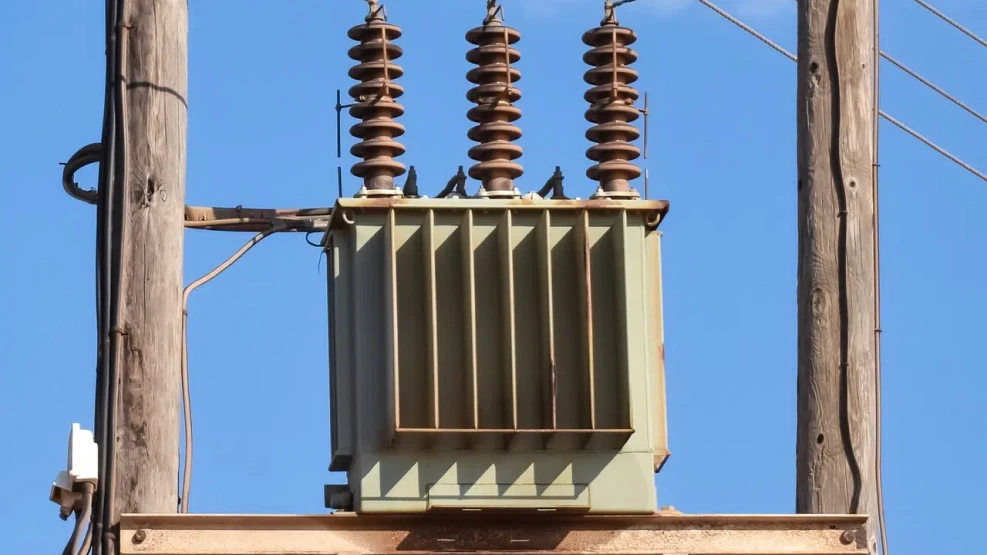
Electrical transformers play a crucial role in power distribution, being essential for the operation of industries, businesses, and homes. However, like any equipment, transformer maintenance is essential.
Regular inspection and maintenance not only extends the lifespan of transformers, but also ensures a stable and safe power supply, preventing unexpected downtime that can result in significant financial losses.
In this complete guide, we will cover the main maintenance practices, including predictive, preventive, and corrective maintenance.
Additionally, we will explore essential processes such as the analysis and replacement of insulating oil, filtering, and leak repair, enabling you to effectively manage the transformers in your operation and ensure the continuity of your electrical supply.
READ ALSO: • Thermographic Inspection in Substations
• Simplified Substation: Understand the Basics
• Thermographic inspection: what is it and how does it work?
Speak with one of our specialists and discover how Pix Force can transform your business
What are transformers?
Electrical transformers are fundamental devices in the power distribution system, responsible for altering electrical voltage levels to meet specific consumption needs.
Operating most of the time as stationary equipment, they convert the high voltage from the electrical grid to lower levels suitable for use in industries, businesses, and homes. This conversion is vital to ensure that electrical energy is used safely and efficiently.
Transformers are built with components that allow the transfer of electromagnetic energy between circuits, using principles of electromagnetic induction.
Among their main features are a long service life and the minimization of moving parts, which significantly reduces the need for maintenance, provided that the necessary care is taken.
However, they are subject to aging and damage caused by external conditions such as humidity, excessive heat, and electrical overloads.
The importance of transformers in electrical infrastructure is indisputable, as the failure of one of these devices can result in power supply interruptions, leading to operational losses, lost productivity, and, in some cases, safety risks.
Therefore, regular and proper maintenance is essential to ensure the efficient operation and longevity of this equipment, assuring the continuity of electrical service in the most diverse applications.
Types of transformers
Transformers are categorized according to several criteria, the most common being types according to construction, application, and type of insulation. Among the main types are power transformers, used in power generation and transmission systems, which operate at high voltage and are designed to handle large electrical capacities.
On the other hand, distribution transformers are used to reduce the voltage in the electrical grid, making it suitable for use in homes and small industries.
Another important classification is between simple and instrument transformers.
Simple transformers are used for voltage adaptation in power circuits, while instrument transformers, such as current and potential transformers, have the function of monitoring and protecting electrical systems, allowing current and voltage to be measured safely.
Additionally, we have dry-type and oil-immersed transformers, which differ in the form of thermal and electrical insulation.
Dry-type transformers use solid insulating materials and are more suitable for indoor environments with fewer environmental risks. Oil-immersed transformers, on the other hand, have a higher heat dissipation capacity and are ideal for outdoor applications, where adequate cooling is crucial.
Each type of transformer has its specific characteristics and distinct applications, making the choice of equipment fundamental to ensuring efficiency and safety in the electrical system.
Understanding these types is essential for implementing proper maintenance, maximizing the lifespan of the transformers.
Why is maintenance important?
Transformer maintenance is crucial to ensure the reliability and efficiency of electrical systems. These devices play a vital role in power distribution, and their failure can result in significant supply interruptions, causing operational losses and safety risks.
Through regular maintenance, it is possible to identify and correct problems before they become serious failures. This includes checking for signs of wear, insulation testing, and visual inspections that help prevent damage caused by overloads, moisture, or particulate contamination.
Furthermore, maintenance contributes to the longevity of the transformers, reducing the need for frequent replacements and the high costs associated with operational emergencies.
Well-maintained equipment operates with greater energy efficiency, resulting in cost savings for companies and a reduction in environmental impact.
Thus, investing in maintenance not only ensures continuous performance but also protects assets and promotes the safe use of electrical energy. In short, maintenance is an indispensable aspect of efficient transformer management.
Types of transformer maintenance
Transformer maintenance can be classified into three main types:
preventive, corrective, and predictive. Preventive maintenance is carried out on a scheduled basis, aiming to prevent failures before they occur. It includes regular inspections, cleaning, electrical testing, and replacement of worn components. This approach ensures that transformers operate efficiently and safely over time.
On the other hand,
corrective maintenance is performed after failures or problems occur. Although necessary to resolve emergency situations, this type of maintenance can cause power supply interruptions and generate additional costs due to unexpected repairs.
predictive maintenance, in turn, uses advanced monitoring techniques, such as vibration analysis and thermography, to assess the condition of transformers in real time. This approach allows the anticipation of failures, providing a more timely and efficient solution.
Each type of maintenance plays a fundamental role in transformer management, ensuring not only their continuous operation but also contributing to energy efficiency and the safety of electrical systems.
Required Equipment and Tools
To ensure efficiency and safety in transformer maintenance, it is essential to have an appropriate set of specialized equipment and tools.
• Measuring devices: such as multimeters, wattmeters, and power quality analyzers. This equipment is fundamental for monitoring and evaluating the electrical performance of the transformer, ensuring all parameters are within specifications.
• Thermal testing tools: such as infrared thermometers and thermographic cameras, are crucial for identifying critical heating spots that may indicate imminent failures.
• Moisture detectors: play an important role, as excessive moisture can compromise the integrity of the insulation and, consequently, the operation of the transformer.
• Basic hand tools: screwdrivers, pliers, wrenches, and test lights are essential. They allow for the disassembly and reassembly of components, as well as the execution of minor repairs.
• Safety equipment: insulating gloves, safety goggles, and helmets must not be neglected, given that maintenance in high-voltage environments poses significant risks.
• Cleaning devices: industrial vacuums and specific products for removing contaminants are vital to keeping the transformer free of dirt and dust, increasing its durability and operational efficiency.
In summary, the proper combination of specialized tools and equipment is fundamental to performing effective and safe maintenance on transformers.
Safety considerations for maintenance
Safety during transformer maintenance is of vital importance, given the high voltage involved and the associated risks.
Before starting any work, it is essential for professionals to perform a detailed risk analysis and follow all established safety procedures. This includes the use of Personal Protective Equipment (PPE), such as insulating gloves, helmets, safety goggles, and appropriate clothing.
Additionally, it is crucial to power down and lock out all electrical systems before maintenance to prevent accidents. Visible signage and barriers should be installed to keep unauthorized persons away from the work area.
During maintenance, technicians must avoid hazardous conditions, such as wet surfaces and damaged equipment, which can increase the risk of electric shock. It is also important to ensure that the tools and equipment used are in good condition and properly rated for the specific job.
Finally, maintaining clear communication among team members is essential to coordinate activities and ensure everyone is aware of the risks and procedures, promoting a safe and efficient work environment.
Conclusion
Proper maintenance of transformers is crucial to ensure the operational efficiency and longevity of these essential pieces of equipment. Implementing regular practices of inspection, testing, and cleaning, combined with the use of appropriate tools and equipment, allows for the detection of faults before they become significant problems.
Thus, adopting a preventive maintenance plan not only ensures service continuity but also minimizes the costs associated with unexpected downtime and emergency repairs.
In addition to effective maintenance techniques, safety considerations are fundamental to protecting the professionals involved in this process. Strict compliance with safety standards and the use of Personal Protective Equipment (PPE) are indispensable for preventing accidents.
By prioritizing safety and planned maintenance, companies can not only preserve the health of their workers but also optimize the performance and reliability of their electrical systems, ensuring safe and efficient operation for many years.

Fabio Caraça
Fábio Caraça is the Chief Growth Officer at Pix Force. He leads Pix Force's transformation into a scalable SaaS operation, combining strategic vision, culture, and high-impact execution.