Occupational health and safety
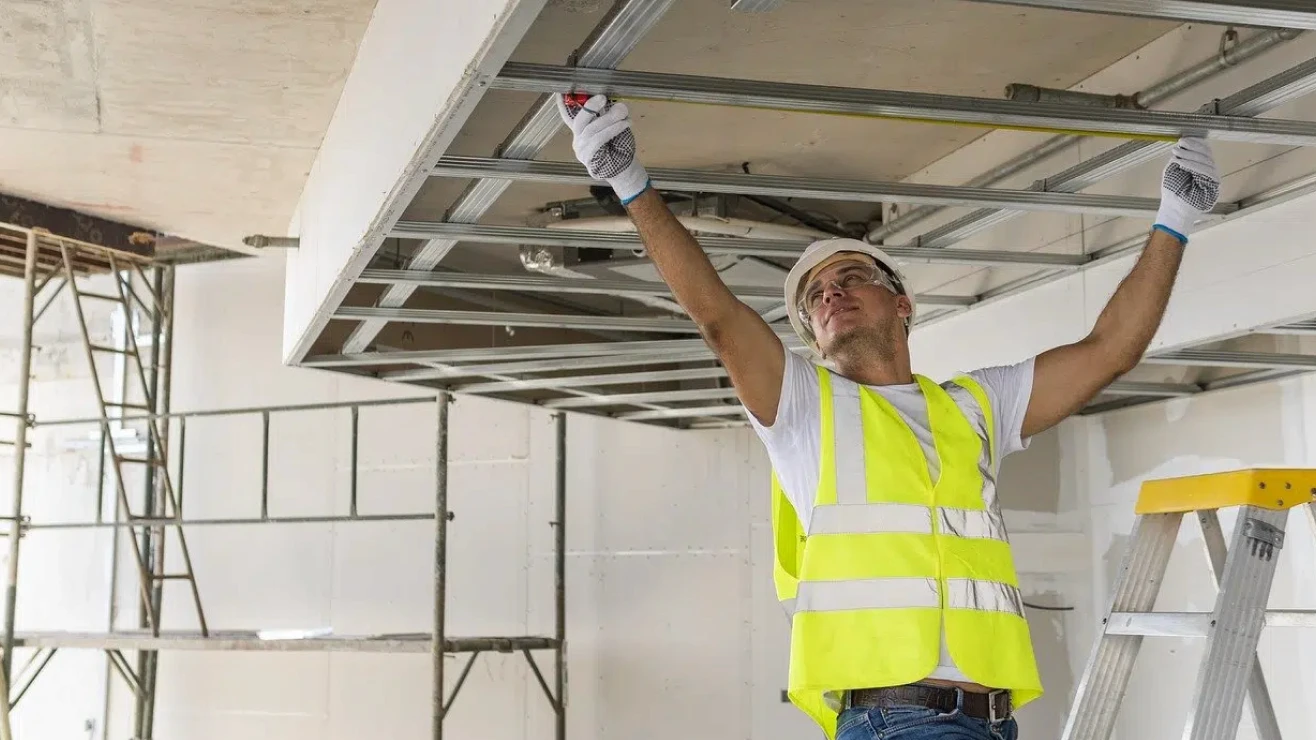
Workplace safety is a priority for any company that wants to protect its employees and ensure efficient performance. An effective way to ensure this protection is through safety inspections.
There are different types of inspection, each with its own focus, which help to identify and mitigate potential risks.
In this article, you will learn about 5 types of safety inspection that can be implemented in your company. From routine inspection to general assessment, each type plays a crucial role in preventing accidents and promoting a safer working environment. Follow along and discover how these practices can transform the safety culture in your organization.
What are Safety Inspections?
Safety inspections are systematic procedures conducted to identify and evaluate risk conditions in the work environment. The main objective of these inspections is to ensure that all safety standards and practices are being followed, guaranteeing the physical integrity of employees.
During an inspection, factors such as equipment conditions, work environment, and operational procedures are analyzed. This process not only detects failures and irregularities, but also promotes awareness of the importance of safety.
Furthermore, frequently conducting these inspections can help companies reduce costs related to labor charges and improve productivity, as it provides a safer and more reliable organizational climate.
Safety Inspection Objectives
The main objectives of safety inspections are to ensure the protection of employees and compliance with regulatory standards. These inspections aim to identify potential hazards that could cause accidents or occupational diseases, promoting the adoption of corrective measures before incidents occur.
Furthermore, inspections help optimize the work environment by ensuring that all equipment is functioning correctly and is safe for use. Another important objective is to foster a safety culture within the company, raising employee awareness about the importance of prevention.
Finally, inspections contribute to reducing costs associated with workplace accidents and lawsuits, strengthening the company's image in the market.
Speak with one of our specialists and discover how Pix Force can transform your business
When to Conduct Safety Inspections
Safety inspections should be conducted at strategic times to maximize their effectiveness. First, periodic inspections are recommended at regular intervals, such as weekly, monthly, or annually, depending on the nature of the work and the risks involved.
In addition to scheduled inspections, it is important to perform checks after incidents, accidents, or near-misses occur, to identify failures and prevent future occurrences.
Furthermore, whenever there are changes in the work environment, such as the introduction of new equipment or altered processes, an inspection must be conducted to ensure that new risks are properly managed.
Finally, seasonal events or adverse weather conditions also require specific inspections to ensure everyone's safety.

Main Types of Safety Inspection
Safety inspections are essential to ensure a safe and healthy working environment. They help to identify risks and implement corrective measures.
There are different types of inspection, each with its specific purpose.
Let's look here, in detail, at each type of inspection.
Routine Inspection
Routine Inspection is a daily practice aimed at monitoring safety conditions and identifying anomalies in real time. Usually performed by leaders or employees, this inspection focuses on verifying the proper use of Personal Protective Equipment (PPE) and other preventive measures.
Ad Hoc Inspection
The Ad Hoc Inspection is performed as needed, in response to specific or emergency situations. This type of inspection can be triggered after an incident, a change in the work environment, or when new risk conditions arise. It aims for the rapid identification and correction of unexpected problems, ensuring safety.

Fabio Caraça
Fábio Caraça is the Chief Growth Officer at Pix Force. He leads Pix Force's transformation into a scalable SaaS operation, combining strategic vision, culture, and high-impact execution.