Occupational health and safety
Preventing workplace accidents is essential to ensure the safety and well-being of employees, as well as promoting a productive environment.
Investing in preventive practices not only reduces the occurrence of accidents but also strengthens the team's trust and motivation, reflecting positively on the company's productivity and reputation.
This comprehensive guide covers the main aspects of occupational safety and presents effective measures to create a safe environment.
The Importance of Workplace Accident Prevention
Preventing workplace accidents is essential to ensure the safety and well-being of employees. Implementing preventive practices not only protects employees but also promotes a productive environment.
When companies invest in safety, they reduce the incidence of accidents, avoiding injuries and occupational diseases. This generates trust and motivation in the team, resulting in increased productivity.
Additionally, a safe workplace is fundamental to the company's reputation and can prevent legal penalties. Therefore, prevention must be a priority in every organization, regardless of its industry.
Impacts of Occupational Accidents on Productivity
Occupational accidents have a significant impact on a company's productivity. When an employee suffers an accident, it not only results in their temporary absence, but also affects team morale.
Insecurity and fear can create a tense work environment, reducing overall performance. In addition, accident-related costs, such as compensation and medical treatments, can be high.
These costs are not limited to just financial aspects; the company's image can also be compromised.
A safe and healthy work environment, on the other hand, promotes collaboration and efficiency, reflecting positively on results. Therefore, preventing accidents is crucial to maintaining productivity and competitiveness in the market.
Speak with one of our specialists and discover how Pix Force can transform your business
Legal and Regulatory Aspects of Occupational Safety
Occupational safety is regulated by various standards and laws aimed at protecting workers' health.
Regulatory Standards (NRs) establish guidelines that companies must follow to ensure safe environments.
Among the main obligations are conducting training sessions, providing Personal Protective Equipment (PPE), and implementing Internal Accident Prevention Commissions (CIPA).
Non-compliance with these regulations can result in fines and lawsuits, in addition to exposing employees to unnecessary risks. Therefore, it is essential for employers to know and comply with current laws. Investing in safety is, thus, a legal and ethical responsibility of every organization.
Personal Protective Equipment (PPE)
Personal Protective Equipment (PPE) is essential for ensuring worker safety in various activities. Its use is crucial to minimize risks and protect the physical integrity of employees against accidents and exposure to harmful agents.
PPE varies according to the functions and risks involved, and its provision is the employer's responsibility. In addition, it is necessary to conduct training on the correct use of this equipment to ensure effectiveness in accident prevention. Therefore, investing in PPE is investing in the health and safety of the team.
What are PPEs and their Relevance
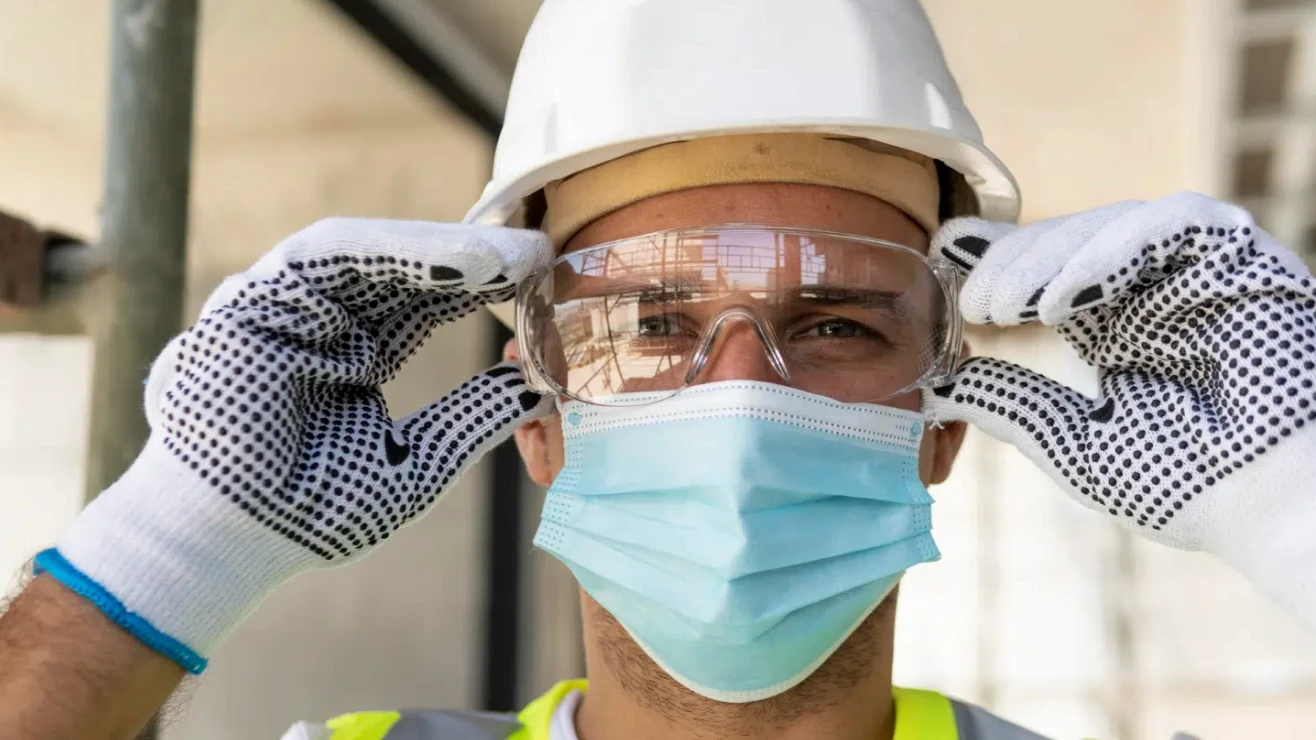
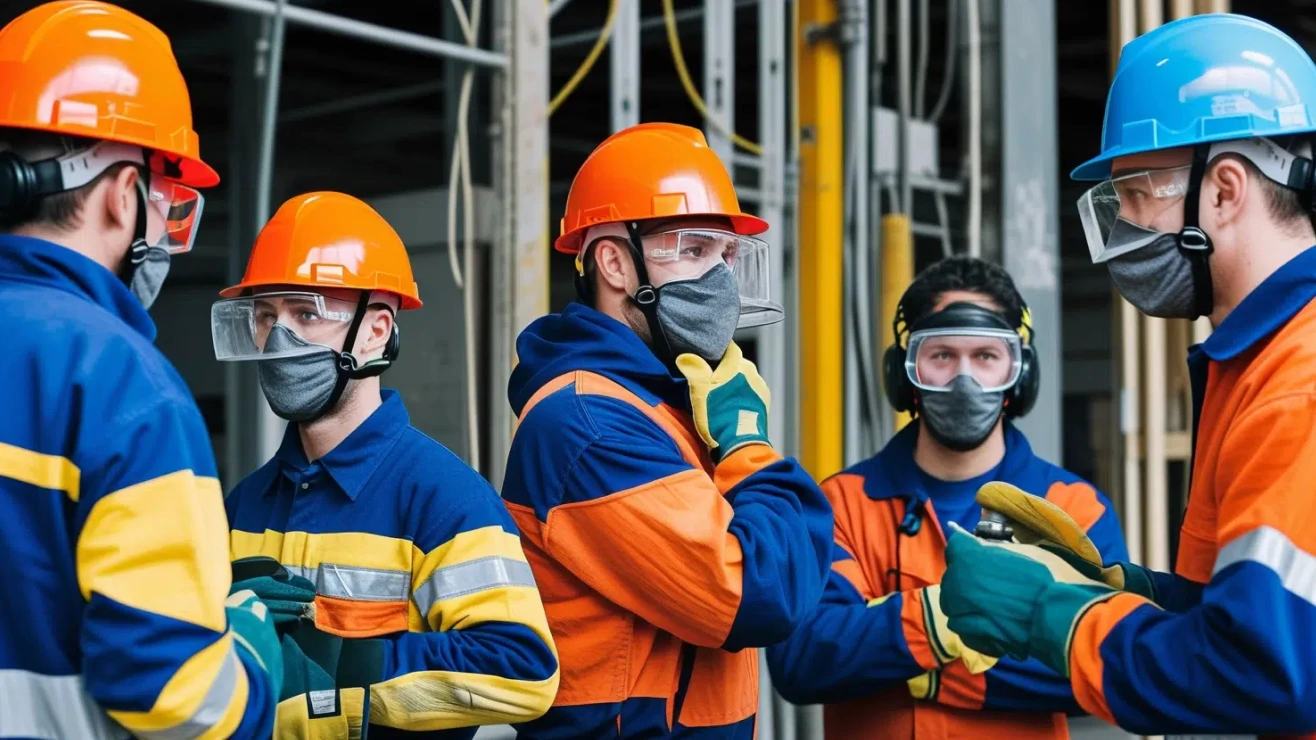
PPEs are essential tools that protect workers against risks that may threaten their safety and health during the execution of their activities. They include, among others, helmets, safety goggles, gloves, ear protectors, and boots.
The relevance of PPEs is evident in the prevention of workplace accidents and occupational diseases, promoting a safe and healthy environment for employees. In addition, the proper use of PPEs not only prevents injuries and fatalities, but also contributes to the reduction of costs related to accidents, such as compensation and treatments.
Therefore, the correct use and maintenance of PPEs are fundamental for responsible and safe work.
Types of PPE Required for Different Activities
The choice of Personal Protective Equipment (PPE) varies according to the activities performed and the risks involved. For work at heights, safety harnesses and helmets are required.
In environments with chemical substances, appropriate gloves and safety goggles are essential. For construction professionals, the use of steel-toe boots and hearing protection is fundamental.
In locations with biological hazards, the use of respiratory masks and disposable gowns is important. Knowing the appropriate types of PPE and ensuring their provision and correct use is essential to protect workers' health and ensure compliance with safety standards.

Fabio Caraça
Fábio Caraça is the Chief Growth Officer at Pix Force. He leads Pix Force's transformation into a scalable SaaS operation, combining strategic vision, culture, and high-impact execution.