Occupational health and safety

The management and control of Personal Protective Equipment ( PPE ) are essential to ensure the safety of employees in a work environment. With the growing need to protect workers' health and comply with regulatory standards, such as NR 6, companies must adopt effective practices for the correct use of this equipment.
Proper administration of PPE not only helps minimize the risk of accidents, but also ensures legal compliance, avoiding penalties.
In this complete guide, we will explore the importance of PPE, the responsibilities of employers, and how technology can facilitate the management and control of these supplies, promoting a safer and more efficient work environment.
What are PPEs and their Importance in Occupational Safety?
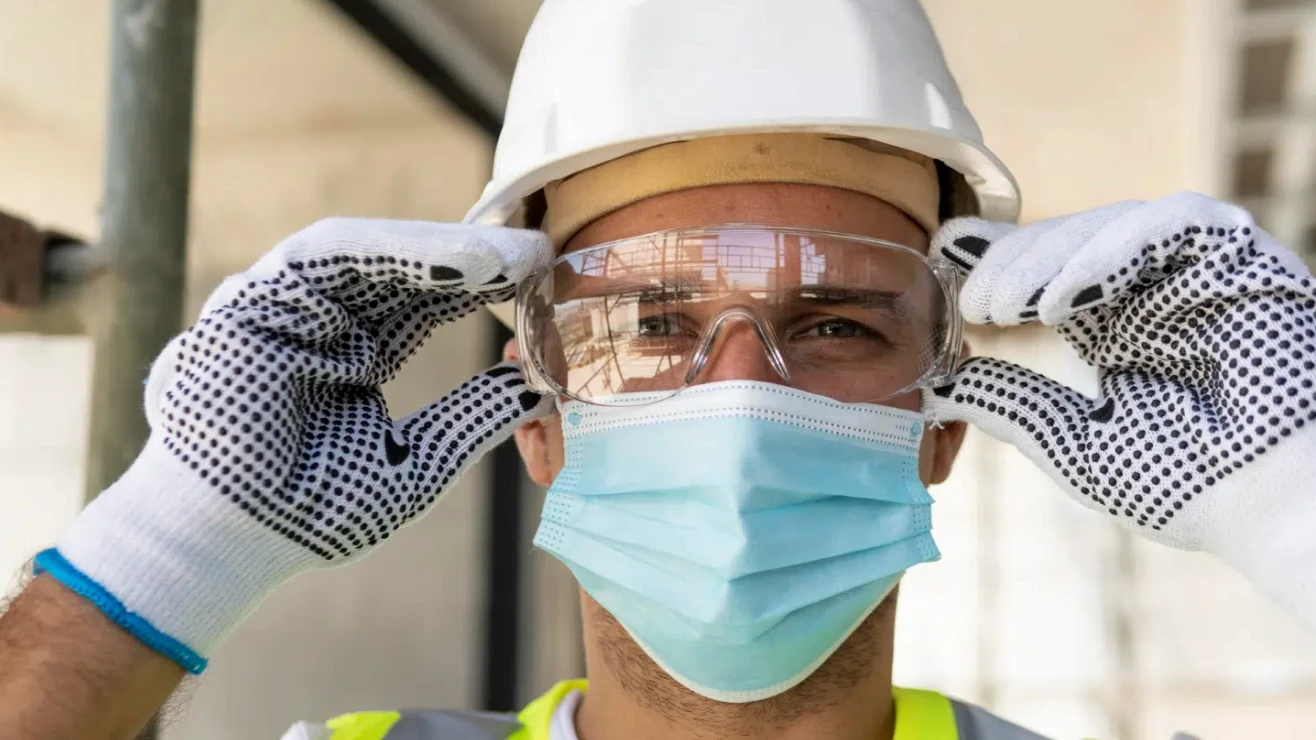
PPEs (Personal Protective Equipment) are essential tools to ensure the safety and health of workers in various environments. They are designed to protect employees against risks that can cause occupational injuries or illnesses. Common examples of PPE include helmets, safety glasses, hearing protectors, gloves, and safety boots.
The importance of PPE in occupational safety is indisputable. Firstly, they help minimize the risk of accidents by providing an additional layer of protection against physical, chemical, and biological hazards. Using the correct PPE not only reduces the likelihood of incidents but also promotes a safer and more comfortable working environment, resulting in higher productivity.
Furthermore, the proper management of PPE is crucial. This involves training for the correct use, maintenance, and sanitization of the equipment. When workers understand the function of PPE and how to use it correctly, its effectiveness increases. Another relevant point is compliance with legislation; companies that do not adopt this equipment may face legal sanctions and compromise the health of their employees.
Therefore, investing in PPE and ensuring its correct use is a vital responsibility of all employers seeking to protect their workers and promote a safety culture in the workplace.
How to Implement Effective PPE Management?
Implementing effective PPE (Personal Protective Equipment) management is essential to ensure the safety and health of employees in work environments. Below, we will cover important strategies to structure this management, ensuring that PPE is used correctly and efficiently.
Speak with one of our specialists and discover how Pix Force can transform your business
Identification of Required PPE
The first step for effective PPE management is the identification of the equipment required for each role and work environment. This involves a comprehensive analysis of the risks associated with the activities performed by the employees.
Conducting a risk assessment allows for the identification of which PPE is required to protect workers from specific hazards, such as chemicals, falls, radiation, among others.
Following this identification, it is essential to create a detailed inventory, which includes the description of the PPE, its specifications, and the quantity available. This record will assist in supply management and the replenishment of equipment when necessary.
Employer and Employee Responsibilities
Effective PPE management also depends on a clear definition of the responsibilities of both employers and employees.
Employers have the obligation to provide appropriate PPE, ensure they are in good condition, and encourage their use. In addition, they must maintain detailed records of equipment delivery and return, as well as perform periodic maintenance.
On the other hand, employees must be aware of their responsibility to use PPE in accordance with the guidance received, reporting any issues or damage immediately. Clear communication about responsibilities helps create a culture of safety and commitment among everyone.
Employee Training and Awareness
Employee training and awareness are essential to ensure that PPE is used properly. It is important to conduct regular training sessions where employees learn about the importance of PPE, how to use it, and how to maintain it.
Instructions should include not only correct usage but also the identification of when equipment should be replaced or repaired.
To reinforce this awareness, companies can use educational campaigns, informative posters, and simulations of risky situations, making learning more interactive. Consequently, employees will feel safer and more likely to use PPE, contributing to a safer work environment.
Strategies for PPE Control in the Company
The control of PPE is crucial to ensure employee safety and legal compliance in companies. For this to happen, some strategies can be implemented to optimize the management and monitoring of PPE.

Fabio Caraça
Fábio Caraça is the Chief Growth Officer at Pix Force. He leads Pix Force's transformation into a scalable SaaS operation, combining strategic vision, culture, and high-impact execution.