Occupational health and safety
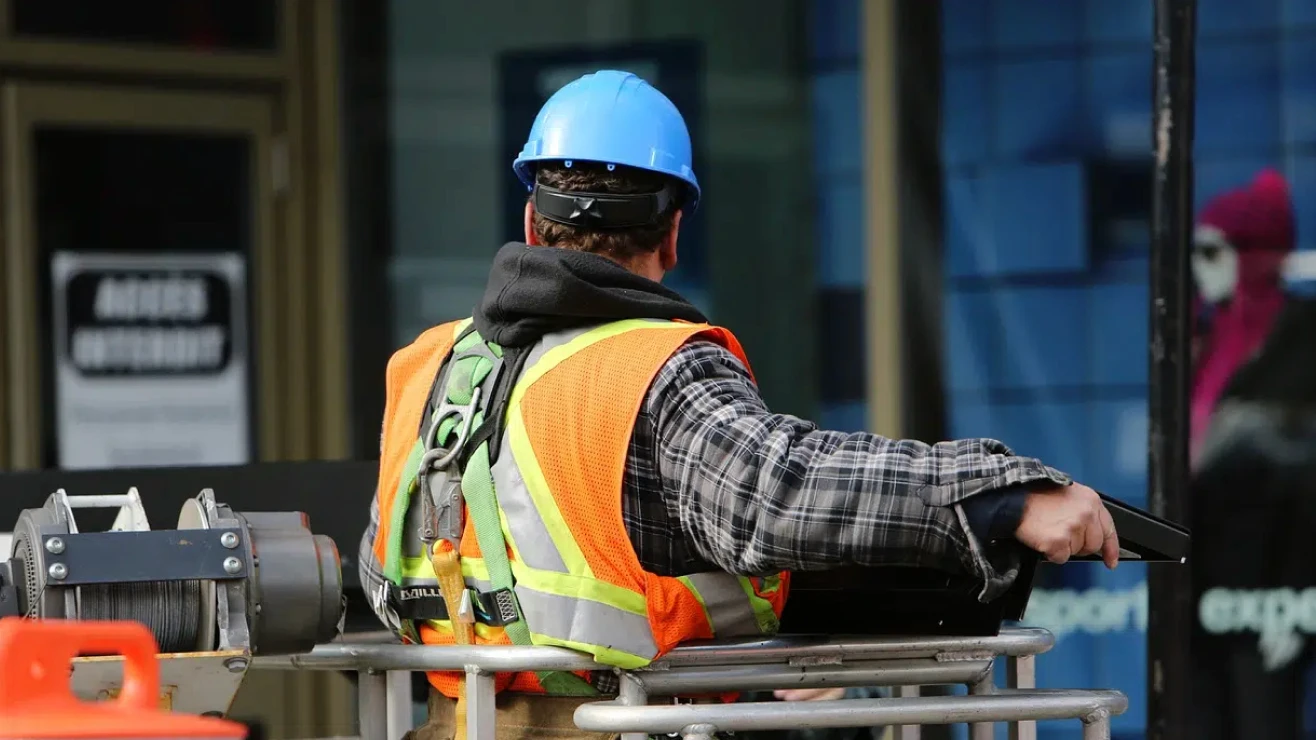
With the growing complexity of work activities and the emergence of new technologies, it is vital for companies to organize occupational safety training that not only informs but also engages employees in the best safety practices.
With the arrival of 2025, trends in occupational safety training are proving to be more promising, integrating innovative methodologies such as gamification and immersive technology.
These approaches are reshaping the way we teach safety guidelines, making them more accessible and engaging for the entire team. Investing in these new solutions not only meets legal requirements but also strengthens the safety culture and accident prevention within organizations.
What is Occupational Safety Training?
Occupational safety training refers to a set of practices and guidelines designed to enable employees and suppliers to perform their duties in a safe and healthy environment.
The main goal is to promote awareness of the risks present in work activities and to equip employees with the necessary knowledge to prevent accidents and occupational diseases.
These trainings can be conducted in various ways, including workshops, group dynamics, and e-learning. It is essential that the content addresses the relevant Regulatory Standards (NRs) as well as the company's safety policies, creating a clear connection between the activity performed and the importance of safety.
Additionally, integration training is essential, as it takes place immediately after the employee is hired, providing a solid foundation on safety principles from the very beginning of their journey in the organization.
With evolving market demands and new technologies, training is also adapting, incorporating innovative methods such as gamification and augmented reality, making learning more engaging and effective.
Thus, investing in a good occupational safety training program becomes a strategy not only to ensure legal compliance but also to promote a safer and more productive work environment.
The Importance of Safety Training in Companies
Occupational safety training is essential for building a healthy and safe work environment. Its importance goes beyond compliance with legal requirements; it is fundamental to reducing the incidence of accidents and occupational diseases, primarily protecting the well-being of employees.
By providing proper training, companies demonstrate a commitment to the health of their employees, increasing team trust and motivation.
In addition to preventing accidents, this training promotes awareness of the safety culture within the organization.
Well-trained employees are more likely to adopt safe behaviors and identify hazards before they become a threat. This not only results in a more productive work environment but also minimizes accident-related costs, such as medical leaves and compensation.
With growing innovations and trends in 2025, such as the incorporation of immersive technologies, safety training is transforming into more interactive and engaging experiences.
This evolution makes learning more effective and ensures that employees absorb essential information in a more dynamic way. Therefore, investing in safety training is a smart strategy that has a positive impact on the organizational climate and the company's performance as a whole.
Speak with one of our specialists and discover how Pix Force can transform your business
Regulatory Standards (NRs) and Their Relevance
Regulatory Standards (NRs) are guidelines established by the Ministry of Labor and Employment in Brazil, whose purpose is to guarantee the safety and health of workers in various sectors. These standards play a crucial role in creating a safe working environment, as they define the rights and duties of employers and employees, in addition to specifying the minimum conditions for the prevention of occupational accidents and diseases.
Each NR addresses specific aspects of occupational safety, such as the appropriate use of Personal Protective Equipment (PPE), protection against chemical and biological risks, and the organization of the work environment.
In this way, the NRs provide a legal framework that guides companies in implementing practices aimed at protecting the health of their employees. Compliance with these standards is not only a legal requirement, but also demonstrates the company's commitment to the well-being of its team.
The relevance of NRs is further highlighted in contemporary times, where technologies and work processes are constantly evolving. In 2025, it is expected that more and more companies will integrate NRs into their organizational cultures, using training that respects and promotes these guidelines.
The implementation of training aligned with the NRs ensures that all employees are aware of the risks and necessary preventive measures, resulting in a safer and more efficient working environment.
Therefore, Regulatory Standards are not just a set of rules; they are the essential foundation for promoting a safety culture at work, fundamental for the sustainability and success of any organization.
Emerging Trends in Safety Training for 2025
As the corporate environment evolves, safety training trends also transform to meet new demands and challenges. In 2025, adaptive learning, personalization, immersive technologies, and gamification stand out as innovative approaches that promise to revolutionize the way employees are trained.
Adaptive Learning and Personalization
Adaptive learning allows training to mold itself to the individual needs of each employee, considering their level of knowledge and learning style. This approach personalizes the learning experience, boosting information retention and facilitating the practical application of what was learned.
In 2025, companies are expected to adopt training platforms that use algorithms to create personalized learning paths, allowing employees to advance at their own pace and with a focus on areas that need more attention.
Immersive Technologies and Gamification
Immersive technologies, such as virtual reality (VR) and augmented reality (AR), are gaining prominence in safety training. These tools offer realistic simulations of hazardous situations, allowing employees to practice their skills in a safe environment.
This experience enhances understanding and response capacity in real-world situations. Gamification, in turn, incorporates game elements into training, making learning more engaging and motivating.
By turning training into an interactive challenge, companies can increase employee participation and commitment.
These emerging trends demonstrate the need for innovation in safety training, ensuring that employees are well-prepared to face the challenges of the modern work environment.
With these approaches, organizations not only improve their employees' training but also strengthen their safety culture, resulting in safer and more productive work environments.

Fabio Caraça
Fábio Caraça is the Chief Growth Officer at Pix Force. He leads Pix Force's transformation into a scalable SaaS operation, combining strategic vision, culture, and high-impact execution.