Occupational health and safety

Technology in occupational safety is playing a crucial role in the health and safety of employees, providing innovative solutions aimed at protecting well-being in the workplace. With the integration of smart devices, real-time monitoring systems, and data analysis tools, companies can proactively identify and mitigate risks, creating safer and more productive environments.
In this complete guide, you will discover how technology in occupational safety not only improves compliance with safety standards but also promotes a culture of prevention and responsibility. Get ready to explore the various applications of technology that are revolutionizing workplace safety and how your company can benefit from this new era of occupational safety.
Speak with one of our specialists and discover how Pix Force can transform your business
What is Occupational Safety?
Occupational Safety refers to the set of practices, standards, and procedures adopted to ensure the physical integrity and health of workers in the occupational environment.
Its main objective is to prevent accidents and illnesses that may occur due to inadequate working conditions, promoting a safe environment for everyone.
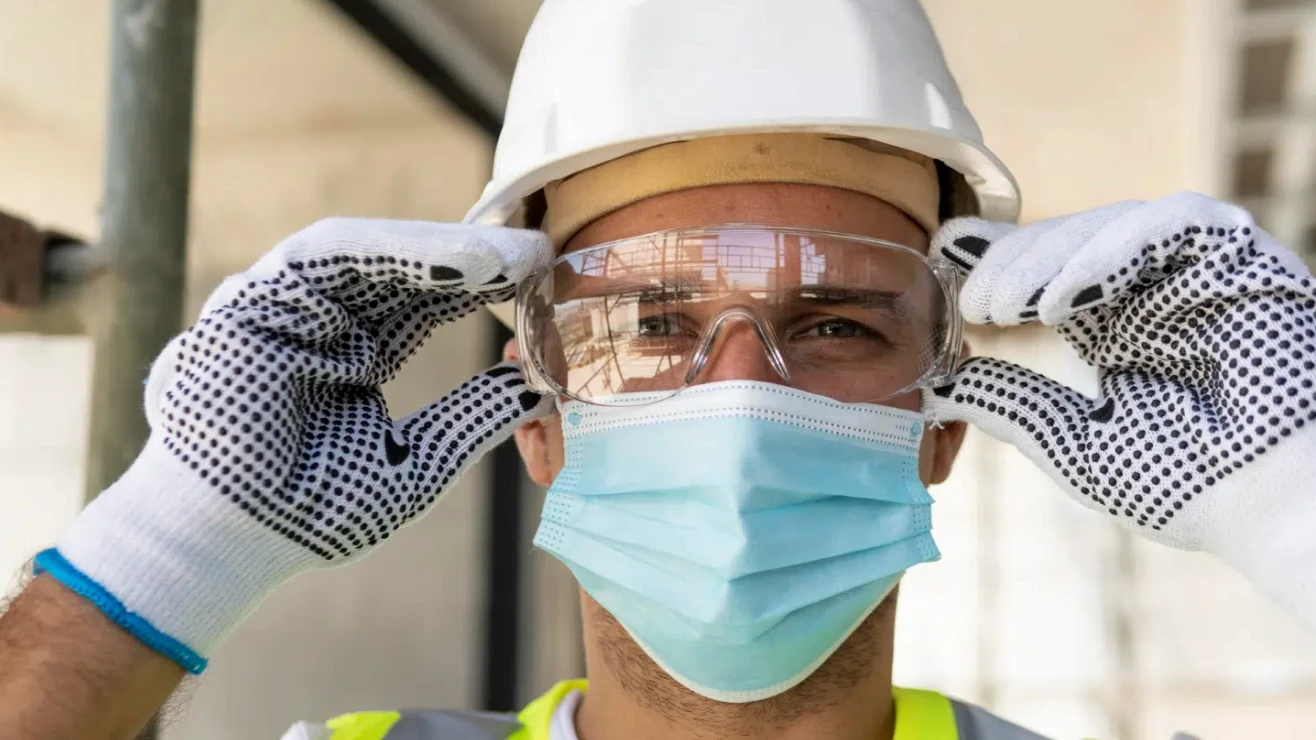
This area encompasses various aspects, including the identification and assessment of risks, the use of Personal Protective Equipment (PPE) and Collective Protective Equipment (CPE), the implementation of training programs, and the enforcement of safety regulations.
Awareness among employees about risks and the importance of following established guidelines is fundamental to the effectiveness of these measures.
In recent years, technology has stood out as an essential ally in Occupational Safety. Through the use of monitoring systems, process automation, and communication tools, companies can improve risk management, minimize accidents, and ensure a healthier working environment.
In a scenario where Brazil still records high rates of occupational accidents, investing in safety becomes not only a legal obligation but also a valuable strategy for improving employees' quality of life and organizational performance.
Key Technologies Used in Occupational Safety
Technology has revolutionized the way companies approach Occupational Safety, making occupational environments safer and more efficient. Among the main technologies used, the following stand out:
• Real-Time Monitoring Systems: Connected cameras and sensors allow constant supervision of working conditions. This helps identify risky behaviors and dangerous conditions before they become incidents, allowing for immediate interventions.
• Wearables and Monitoring Devices: Equipment such as smart helmets, sensor vests, and wearable devices are designed to detect adverse conditions such as falls, pollution levels, and extreme temperatures. These devices can also monitor workers' health, sending automatic alerts in case of anomalies.
• Mobile Apps for Incident Reporting: With the popularization of smartphones, many workplaces now use apps that allow workers to easily report hazards, unsafe conditions, and accidents, promoting a more participatory safety culture.
• Augmented and Virtual Reality (AR/VR): These technologies are being used for immersive training, where employees can simulate risky situations without real dangers. Practical learning increases information retention and improves emergency preparedness.
• Safety Management Software: Digital platforms allow monitoring and analysis of safety-related data, from training records to PPE management. This facilitates compliance with standards and informed decision-making.
These technologies not only help reduce the number of accidents, but also promote a safer and healthier working environment, highlighting the importance of innovation in Occupational Safety.
Benefits of Technology in Occupational Safety
The incorporation of technologies in Occupational Safety brings a series of significant benefits that go beyond simple compliance with standards.
These advancements not only improve safety, but also contribute to operational efficiency and employee well-being. Among the main benefits, we can highlight:
• Reduction of Accidents: The use of real-time monitoring systems and wearable devices allows for the instantaneous identification and mitigation of risks, resulting in a significant reduction in the number of accidents and incidents in the workplace.
• Efficient Training: Technologies such as augmented and virtual reality offer incredible training experiences, allowing employees to practice skills in a safe and controlled environment. This enhances emergency preparedness and increases knowledge retention.
• Improved Compliance with Current Legislation: Safety management software helps companies track and manage all aspects related to occupational health and safety. This facilitates audits and ensures that labor standards are followed, avoiding penalties and improving the company's reputation.
• Increased Productivity: Working in a safe environment that employs risk-mitigation technologies creates a climate of trust among employees. Employees who feel safe tend to be more motivated and productive, resulting in better overall performance.
• Better Resource Management: With automation and digitalization, it is possible to optimize the management of Personal Protective Equipment (PPE) and resource allocation, reducing costs and waste.
In summary, technology is a vital ally in Occupational Safety, contributing not only to the protection of workers, but also to the organizational culture and business success.
Challenges of Implementing Technology in Occupational Safety
Although the adoption of technologies in Occupational Safety brings several benefits, it also presents challenges that companies need to face.
One of the main obstacles is cultural resistance. Many employees may show hesitation in adopting new tools, especially if they are used to traditional methods.
Furthermore, the implementation of technologies may require significant investments in equipment and training, which can be a limiting factor, especially for small and medium-sized enterprises. The lack of budget can hinder the modernization of safety practices.
Another challenge is the integration of new technologies with existing systems. Companies need to ensure that the adopted solutions are compatible with their current operations, which may require additional efforts in planning and execution.
Continuous updating and maintenance of technological systems are also crucial. The absence of adequate technical support can lead to equipment failures, compromising safety.
Finally, the analysis and interpretation of data generated by monitoring systems require qualified professionals. Without a trained team, the potential of technologies may not be fully utilized.
In short, overcoming these challenges is essential to ensure that technology effectively contributes to the improvement of Occupational Safety.
Success Examples in the Use of Technology
Several companies have achieved significant results in Occupational Safety through the implementation of innovative technologies.
A notable example is the oil and gas industry, where the use of drones for inspections of platforms and pipelines has proven effective in identifying hazards in hard-to-reach areas. This practice not only ensures worker safety but also reduces maintenance time and costs.
Pix Force, through the use of drones and smart cameras, makes a difference in the oil and gas sector, contributing to accident prevention. See how it works:
In addition, construction companies have adopted Augmented Reality (AR) systems to train their employees. With realistic simulations, professionals can experience risk situations without being exposed to real hazards, which improves their preparation and response in adverse situations.
In the manufacturing area, the use of wearables, such as sensor vests, has allowed for the continuous monitoring of workers' health. These devices warn about physical stress and fatigue conditions, promoting preventive interventions before larger problems occur.
Finally, the implementation of advanced safety management software has allowed organizations to track incidents and working conditions in real-time, facilitating communication and rapid action in emergency situations.
These examples reflect how technology can transform safety practices in the workplace, promoting safer and more efficient environments.
Future of Technology in Occupational Safety
The future of technology in Occupational Safety promises innovations that can revolutionize the way companies manage the safety of their employees.
The rise of Artificial Intelligence (AI) and Machine Learning is enabling predictive data analysis, helping companies identify potential risks before they become real. This proactivity can result in significantly safer work environments.
Additionally, virtual reality (VR) and augmented reality (AR) are becoming essential tools for employee training. These immersive technologies offer simulations of hazardous situations, allowing employees to gain practical experience without being exposed to danger, increasing the effectiveness of training.
The use of big data will also become increasingly important, allowing organizations to collect and analyze extensive information on safety incidents, worker behavior, and environmental conditions, resulting in more informed decisions.
Finally, the Internet of Things (IoT) will be key for the integration and real-time monitoring of equipment and working conditions. Connected sensors can warn of failures and imminent hazards, ensuring an instant response.
In short, technological evolution in Occupational Safety will not only improve employee protection but also promote a more integrated safety culture within organizations.
Conclusion
The integration of technology in Occupational Safety proves to be essential for creating safer and more efficient environments. Through innovations such as artificial intelligence, virtual reality, and the Internet of Things, companies have the ability to anticipate risks, improve training, and monitor working conditions in real time.
These tools not only increase employee protection but also contribute to the safety culture within organizations.
As we advance in an increasingly connected and digitalized world, it is crucial for companies to adopt these technologies to ensure not only safety but also the health and well-being of their workforce.
Investing in technology is not just a compliance strategy, but a smart decision that can result in cost reduction, increased productivity, and, above all, the promotion of a safer and more conscious work environment.
Therefore, get to know Pix Safety and see how to apply artificial intelligence to occupational safety.

Fabio Caraça
Fábio Caraça is the Chief Growth Officer at Pix Force. He leads Pix Force's transformation into a scalable SaaS operation, combining strategic vision, culture, and high-impact execution.