Occupational health and safety

Safety in the workplace is a priority that benefits both employees and employers. With the increase in discussions about Occupational Safety and Health (OSH), it becomes essential for companies to adopt measures to prevent workplace accidents.
Informing, training, and raising awareness among employees are not only legal duties, but also ways to ensure a productive and healthy environment.
In this post, we will explore practical tips and fundamental strategies that can be implemented in the day-to-day work.
From the correct use of Personal Protective Equipment (PPE) to the importance of immediate incident reporting, knowing these actions can make all the difference in preserving workers' health and safety. Your contribution to creating a culture of prevention is vital to avoiding tragedies and ensuring well-being in the workplace.
Speak with one of our specialists and discover how Pix Force can transform your business
What are Workplace Accidents?
Workplace accidents are unplanned events that occur during the performance of work activities, resulting in bodily injury, functional impairment, or even fatalities.
According to the Secretariat of Social Security (SPREV), these accidents encompass various occurrences, such as occupational diseases, injuries caused by machinery, falls, exposure to toxic substances, and accidents during the commute between home and work.
These events can have severe consequences, not only for the health of workers but also for companies, leading to leaves of absence, high costs for treatment and indemnities, as well as impacting productivity and the organizational climate.
Statistics reveal that occupational mortality is unequal, with regions like Asia and Africa showing alarming rates when compared to Europe and America.
To prevent such accidents, it is imperative that companies implement effective occupational health and safety practices, including the identification and analysis of risks.
Building a safety culture, where all employees are encouraged to report unsafe conditions and follow safety procedures, is fundamental.
With a proactive approach, both companies and workers can collaborate toward a safer and more efficient working environment.
Importance of prevention in occupational safety
The prevention of occupational accidents is vital to ensure the safety and health of employees, in addition to promoting a productive and efficient work environment. Investing in preventive measures not only reduces the number of accidents but also demonstrates the company's commitment to the well-being of its employees.
When workers feel safe, they tend to be more productive and motivated, which directly reflects on the team's performance and the organization's results.
In addition to protecting the health and lives of employees, accident prevention also generates significant economic benefits. The reduction in absenteeism and the decrease in costs related to compensation, medical assistance, and rework contribute to the company's financial sustainability.
The implementation of training and awareness programs in occupational safety strengthens the culture of prevention, where all employees play an active role in identifying and minimizing risks.
Furthermore, a safe working environment is a competitive advantage in today's market. Companies that prioritize occupational safety tend to attract and retain talent, in addition to improving their corporate image.
Therefore, investing in accident prevention is not only a legal obligation, but a smart strategy for organizational success, promoting a virtuous cycle of safety, health, and productivity.
Main Causes of Workplace Accidents
Workplace accidents can be attributed to a variety of factors, making it essential to identify their main causes to implement effective prevention.
Among the most frequent reasons, the lack of adequate training stands out, leaving workers unprepared to handle risky situations.
Often, safety procedures are not followed or are not clearly stipulated, creating an environment prone to errors.
Another common factor is inadequate working conditions. Poorly lit environments, poorly maintained equipment, and a lack of personal protection can significantly contribute to the occurrence of accidents.
Ergonomics also plays an important role. Repetitive movements and improper postures can result in injuries and occupational illnesses.
In addition, haste and work overload are frequently neglected causes. Employees who feel pressured to meet deadlines may ignore safety standards, increasing the risk of accidents.
The lack of clear communication between teams can worsen the situation, leading to misunderstandings and dangerous situations.
Finally, human behavior, such as distractions and lack of attention, is one of the main causes of accidents.
Promoting a safety culture, combined with regular training and improvements in working conditions, is essential to mitigate these risks and ensure a safer and more productive work environment.
Effective Prevention Measures
The implementation of effective prevention measures is crucial to reducing the incidence of workplace accidents and promoting a safe environment. First and foremost, regular training is essential.
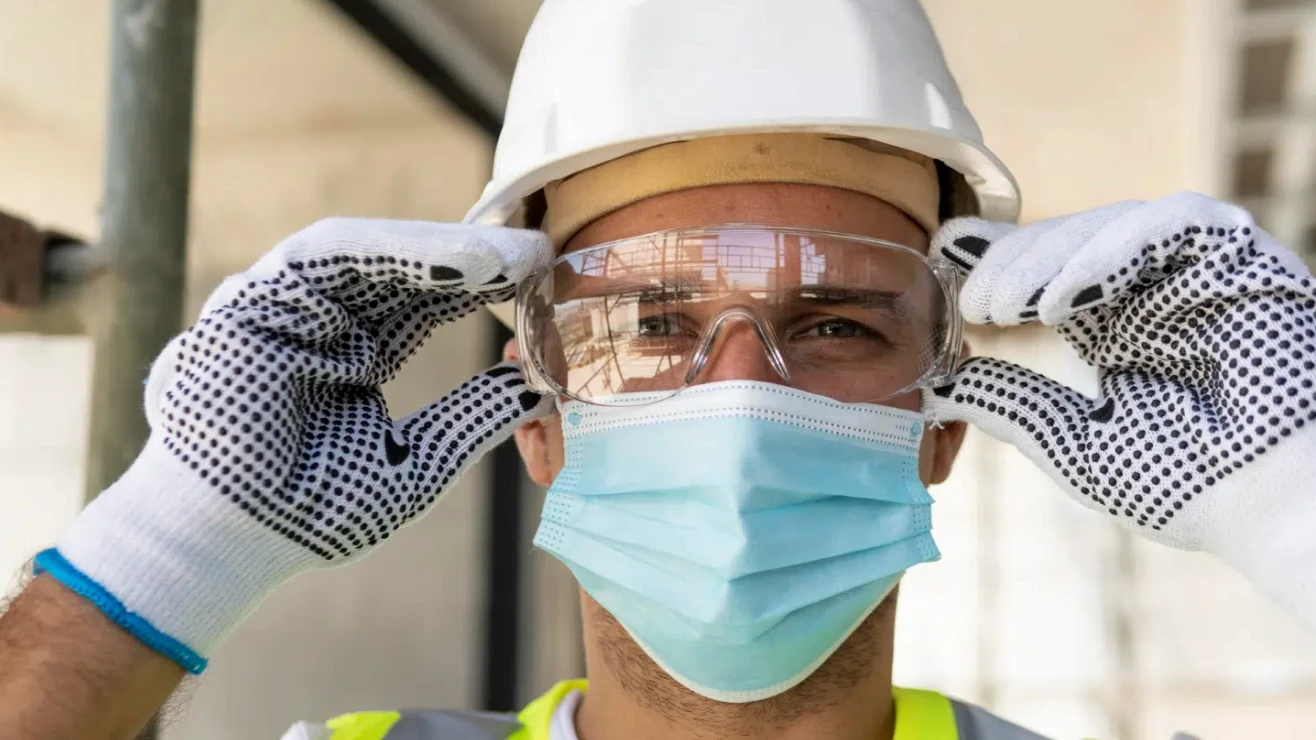
They must address safety practices, correct use of Personal Protective Equipment (PPE), and emergency procedures. Well-informed employees are better equipped to identify risks and act safely.
Another important measure is conducting risk assessments. These assessments identify potential hazards in the work environment, allowing appropriate solutions to be implemented, such as improvements in ergonomics, lighting, and ventilation.
It is also fundamental to ensure that all equipment is in good working condition and undergoes regular maintenance.
Promoting a safety culture is equally relevant. This involves encouraging employees to report hazardous situations and celebrating good safety practices. In addition, clear and continuous communication among the team regarding rules and procedures is vital.
Finally, implementing an occupational safety management system can establish guidelines and monitor the effectiveness of the measures.
In this way, companies can not only reduce accidents but also improve employee morale and productivity. By adopting these prevention measures, organizations ensure a safer and healthier work environment for everyone.
The Role of Management in Accident Prevention
Management plays a fundamental role in preventing workplace accidents, acting as the supporting pillar of a safety culture. Leaders must establish clear guidelines that prioritize the health and safety of employees, promoting a policy that regulates safe practices.
One of the main responsibilities of management is to promote constant training, ensuring that all employees are qualified to identify and respond to risks. In addition, management must encourage open communication, allowing workers to feel comfortable reporting hazardous situations without fear of retaliation.
Conducting regular audits and risk assessments is another important function. Such practices ensure that work environments comply with safety standards, while also enabling the identification of improvements.
Finally, management must foster the active participation of employees in safety-related decisions, promoting an environment where everyone feels responsible for their own safety and that of their colleagues. Thus, leadership becomes a facilitating agent in building a safe and healthy work environment.
Conclusion
The prevention of occupational accidents is a responsibility that requires commitment from everyone involved in the organization. By adopting solid safety practices, promoting constant training, and establishing a culture of awareness, companies can not only protect their employees but also promote a more productive and healthy work environment.
The implementation of the strategies discussed in this article can lead to a significant reduction in accidents, benefiting both the workers and the organization itself.
Ultimately, management plays a vital role in this process, being essential for creating effective policies and clear communication processes. The active participation of all employees in identifying and mitigating risks reinforces the importance of safety on a daily basis.
By prioritizing prevention, companies invest in the longevity of their operations and the well-being of their workforce, establishing a standard of excellence that can be a competitive differentiator in the market.
If you want to know how Pix Force can help you prevent occupational accidents through technology, contact us.

Fabio Caraça
Fábio Caraça is the Chief Growth Officer at Pix Force. He leads Pix Force's transformation into a scalable SaaS operation, combining strategic vision, culture, and high-impact execution.