Industry
Industrial thermography is an essential technique within predictive maintenance, allowing the evaluation of asset conditions based on the temperature they present.
This tool assists in the early detection of problems such as corrosion, blockages, poor contact in wiring, and shaft misalignment, ensuring the operational efficiency of the equipment.
Whether in identifying failures in electric motors, quality control of industrial processes, or accident prevention, industrial thermography proves to be versatile and essential for ensuring the proper functioning of equipment.
Amidst the asset management and maintenance landscape, understanding what industrial thermography is becomes crucial for optimizing processes and ensuring operational effectiveness in companies. In this article, I want to explain everything about what industrial thermography is.
READ ALSO: • Thermographic inspection: what is it and how does it work?
• Power Substation Maintenance with Artificial Intelligence: How Does It Work?
Speak with one of our specialists and discover how Pix Force can transform your business
Industrial thermography: what is it?
Industrial thermography is used to monitor the temperature of machines and equipment, allowing the identification of potential failures before they cause significant damage.
Based on the generation of thermal images, thermography enables the detection of abnormal heating points, indicating wear, overload, or other operational problems. Furthermore, this tool is essential for establishing temperature patterns and diagnosing early potential defects in industrial components, such as electric motors, electrical panels, and cooling systems.
The application of industrial thermography extends across various sectors, contributing to preventive maintenance, reduction of operational costs, and increased energy efficiency.
By allowing the identification of incipient failures, thermography provides an accurate diagnosis, assisting in strategic decision-making and maximizing equipment availability.
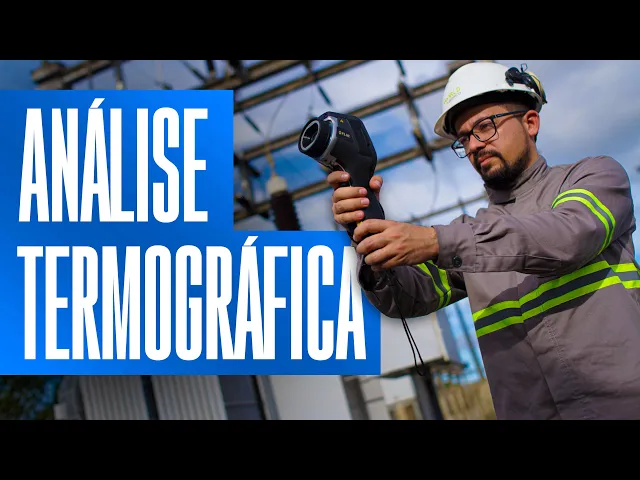
In summary, industrial thermography is a fundamental ally to ensure the reliability and safety of industrial installations, preventing unscheduled downtime and increasing plant productivity. See how it works in practice:
https://www.youtube.com/watch?v=27Yqdztu6to
What is industrial thermography used for?
Thermography in industry plays a vital role by enabling the early identification of potential equipment failures, directly contributing to preventive maintenance and the reduction of operational costs.
By monitoring temperature variations in industrial assets, thermography facilitates the correction of problems before they worsen, ensuring the continuity of production processes and the safety of employees.
This tool is also essential for increasing energy efficiency, extending the lifespan of equipment, and ensuring the competitiveness of industrial operations in today's market.
What is the importance of thermography in industry?
By monitoring the temperature of equipment, thermography allows for the early identification of failures and anomalies, preventing unscheduled downtime and reducing maintenance costs.
Furthermore, this technique contributes to workplace safety by detecting and correcting potential risks of overheating or short circuits. Thermography also assists in optimizing energy efficiency by identifying areas of energy waste and enabling adjustments for better system performance.
With the ability to diagnose problems non-invasively, industrial thermography is a powerful ally in maximizing productivity, reducing operational costs, and extending the lifespan of equipment, ensuring a safer and more efficient working environment.
The advantages of industrial thermography
Industrial thermography offers several significant advantages for industrial operations, contributing to efficiency, safety, and savings. By using thermal analysis for inspecting equipment and processes, thermography stands out as an essential tool in predictive maintenance and the prevention of critical failures.
Some of the main advantages of industrial thermography include:
• Predictive Maintenance: Early identification of mechanical, electrical, and thermal problems before they cause serious damage.
• Cost Reduction: Minimization of unscheduled downtime, optimization of maintenance, and increased equipment lifespan.
• Operational Safety: Detection of critical overheating points or insulation failures, preventing accidents.
• Energy Efficiency: Identification of areas of energy loss and potential process improvements.
• Competitiveness: Assurance of more effective, reliable, and sustainable operations, increasing competitiveness in the industrial market.
These advantages make industrial thermography an indispensable tool for companies seeking operational excellence and consistent results.
Main Thermography Equipment
For the application of thermography, specific equipment is required. Among the main equipment used are:
• Thermographic Cameras: Fundamental equipment for capturing thermal images across different temperature ranges, allowing the visualization and analysis of thermal gradients on surfaces.
• Thermographic Analysis Software: Specialized programs that process and interpret the images captured by thermographic cameras, providing accurate data on temperature and potential faults.
• Accessories and Special Lenses: For specific applications, accessories such as lenses with different ranges and filters are used to optimize thermographic capture and analysis in hard-to-reach areas.
• Safety and Calibration Equipment: To ensure the accuracy of measurements and the safety of operators, calibration equipment and protective devices are required.
• Thermographic Guns: Portable equipment that allows temperature measurement at specific points, providing speed and practicality in spot inspections.
• Infrared Thermometers: Compact and versatile devices for localized temperature measurement without direct contact with the surface, ideal for instant analysis.
• - Continuous Monitoring Systems: Equipment integrated into industrial processes that performs continuous capture of thermal images, monitoring the thermal behavior of equipment and processes in real time.
• - Portable and Fixed Thermal Imagers: Specialized devices for capturing and transmitting thermal images in real time, offering a broad and detailed view of temperature distribution over extensive areas.
• Personal Protective Equipment (PPE): Mandatory safety items for thermography operators, ensuring protection against potential hazards present in the industrial environment.
These pieces of equipment, together, allow for effective thermographic inspections, contributing to preventive maintenance, operational safety, and energy efficiency of industrial facilities.
Their proper use and the training of the professionals involved are essential to obtain accurate results and correctly apply the information obtained through thermography.
How is industrial thermographic inspection done?
The thermographic inspection procedure comprises the following steps:
• Preparation and Planning: Before conducting the inspection, detailed planning is essential, which involves identifying the equipment to be inspected, defining the critical points to be monitored, and preparing an inspection schedule.
• Image Capture: Using thermographic cameras, thermographic guns, thermal imagers, or infrared thermometers, the inspector captures thermal images of the surfaces to be analyzed. These images reveal temperature variations that may indicate overloads, insulation failures, excessive wear, or other problems.
• Analysis and Interpretation: With the help of specialized software, the thermal images are analyzed to identify abnormal heating patterns, overheating points, areas of energy loss, and other thermal anomalies. The data is interpreted to diagnose potential failures and guide corrective or preventive maintenance.
• Reporting and Corrective Actions: Based on the thermographic analysis, a detailed report is prepared containing observations, diagnoses, recommendations for corrective actions, and deadlines for interventions. This information guides maintenance teams in performing the necessary repairs.
Industrial thermographic inspection, when performed systematically and efficiently, contributes significantly to proactive asset management, reduced operational costs, and maximized safety and reliability of industrial processes.
Want to know more about
industrial thermography and artificial intelligence in industry? Follow our blog!

Fabio Caraça
Fábio Caraça is the Chief Growth Officer at Pix Force. He leads Pix Force's transformation into a scalable SaaS operation, combining strategic vision, culture, and high-impact execution.