Industry
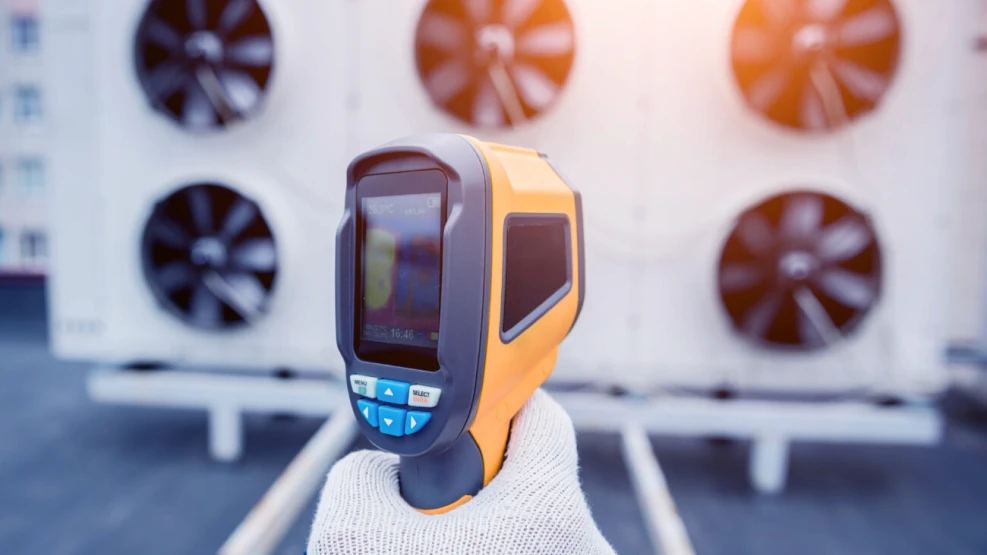
In the age of technology, thermographic inspection emerges as an essential tool for predictive maintenance in industrial electrical systems. Through special cameras capable of capturing infrared radiation, this non-invasive technique allows the identification of potential problems before they become serious failures, ensuring the safety and efficiency of the facilities.
With the ability to perform services without interrupting production, thermography stands out as a proactive solution to avoid losses and ensure the operational continuity of systems, putting safety first.
Whether in the analysis of substations, electrical panels, transformers, or circuit breakers, thermographic inspection proves to be a fundamental piece in the puzzle of electrical equipment maintenance.
In this article, we will delve into the universe of thermographic inspection, exploring how it works and the benefits it offers for companies of various sizes.
Speak with one of our specialists and discover how Pix Force can transform your business
What is thermographic inspection?
Thermographic inspection is a predictive maintenance technique in electrical systems that uses infrared cameras to detect temperature variations in equipment and components, allowing for the early identification of potential problems before they cause serious damage. This non-invasive approach is essential for preventing failures, ensuring the safety and efficiency of industrial installations.
Using special cameras capable of capturing infrared radiation, this non-invasive approach aims to identify temperature variations in electrical equipment and components.
Furthermore, thermography enables detailed inspections of substations, electrical panels, transformers, and other devices without the need to interrupt production.
In this way, companies can act proactively, avoiding unscheduled downtime and optimizing industrial maintenance.
Through thermographic inspection, it is possible to save resources and time, and preserve the integrity of assets, promoting efficiency and operational continuity.
What is thermographic inspection used for
Thermographic inspection is used to detect temperature variations in electrical equipment, preventing failures and serious damage.
This non-invasive technique allows problems to be identified before they occur, ensuring the safety and efficiency of the installations.
By detecting overheating, faults, and wear, thermographic inspection allows for an accurate and early analysis of potential problems, which significantly contributes to the prevention of serious damage and the safety of installations.
In other words, we can say that thermographic inspection is essential for asset preservation and operational continuity, promoting the safety and proper functioning of electrical systems.
Benefits and advantages of thermography in industries
Thermographic inspection offers a series of significant benefits for predictive maintenance in industrial electrical systems. By detecting temperature variations, this technique provides a range of advantages, such as:
• Failure Prevention: Early identification of overheating areas allows thermographic inspection to make corrections before catastrophic equipment failures occur.
• Cost Reduction: By performing preventive maintenance based on thermographic analysis, companies can reduce the costs of emergency repairs and minimize system downtime.
• Operational Safety: Keeping electrical equipment in ideal conditions, thermographic inspection contributes to the safety of employees and the work environment.
A practical example of these benefits is the detection of hot spots on electrical panels, which indicates connection problems or defective components. With thermographic inspection, these issues can be corrected before they cause short circuits or fires, avoiding damage and risks to the industrial operation.
Thermographic inspection report
The thermographic inspection report is an essential document that details the analyses and results obtained from the application of the thermography technique on electrical equipment.
This report provides accurate information about the thermal conditions of the inspected assets, highlighting potential problems identified and recommendations for correction.
Details such as hot spots, overheating areas, insulation failures, and faulty connections are recorded in the report, along with thermal images that prove the detected irregularities. Furthermore, the document may contain a history of previous inspections and the suggested action plan for corrective or preventive maintenance.
With the thermographic inspection report in hand, managers and technicians have the technical backing to make assertive decisions regarding electrical equipment, ensuring the safety and efficiency of industrial installations. This document is fundamental to maintaining the integrity of electrical systems and preventing potential incidents that could compromise the company's operation.
Thermographic inspection in power substations
The application of thermographic inspection in power substations is fundamental to guarantee the safety and reliability of the electrical system.
Through the capture of thermal images, it is possible to detect temperature variations in critical components, such as transformers, circuit breakers, and connections, identifying potential problems before they escalate into serious failures.
By conducting regular thermographic inspections in substations, managers and technicians can monitor equipment operation, prevent overheating, and avoid unscheduled shutdowns.
Furthermore, thermographic analysis in substations contributes to maintenance optimization, directing resources more efficiently to the areas presenting the greatest risk.
With thermographic inspection in power substations, companies increase the reliability of the electrical supply, reduce costs with emergency repairs, and promote a safer working environment for employees. This practice is essential for the effective management of electrical infrastructure and the continuity of operations.
Transmission line inspection
Thermographic inspection in transmission lines plays a crucial role in preventive maintenance and ensuring the operational reliability of the high-voltage electrical system. Through thermographic analysis, it is possible to identify abnormal hot spots in connections, insulators, and other components of the transmission lines.
This technique allows for the early detection of potential failures, preventing power supply interruptions and avoiding more severe damage to the infrastructure. By performing regular thermographic inspections on transmission lines, energy companies can monitor equipment integrity, acting proactively to correct issues before they become critical.
With thermographic inspection on transmission lines, it is possible to increase the reliability of the electrical system, reduce the risk of accidents, and ensure the operational efficiency of power transmission facilities.
Pix Force is a company specialized in the inspection of transmission lines and power substations. Get in
touch
with us and learn more.

Fabio Caraça
Fábio Caraça is the Chief Growth Officer at Pix Force. He leads Pix Force's transformation into a scalable SaaS operation, combining strategic vision, culture, and high-impact execution.