News
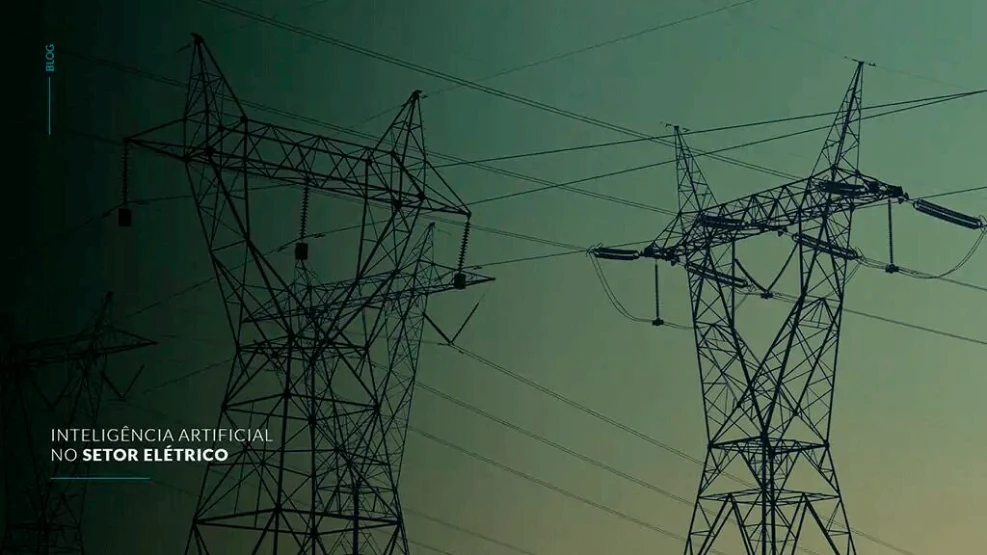
Artificial intelligence is revolutionizing the electrical sector, bringing innovations that impact everything from power generation and distribution to operational efficiency and cybersecurity. With practical applications such as real-time consumption monitoring, fraud detection, and predictive maintenance, AI is driving the energy transition and paving the way for a smarter and more sustainable future. Discover how this technology is transforming the energy sector and what trends are shaping its future. Currently, Brazil meets an energy demand of hundreds of millions of people through the National Interconnected System (SIN), which consists of a vast network of generating plants, transmission lines, and distribution lines spread throughout the national territory. Currently, a large part of the energy matrix that is part of the National Interconnected System originates from hydroelectric and thermal plants, but recently there has been a growing number of other energy matrices, such as wind and solar. The use of artificial intelligence has spread over the last two decades, and there are still many fields where it can be better explored, including the field of the energy industry. The use of artificial intelligence in the electrical sector can bring permanent changes in the way we produce, transmit, and consume energy, at a time when demand is growing and there is an increasing concern to reduce the environmental impacts of our activities.
Speak with one of our specialists and discover how Pix Force can transform your business
How is artificial intelligence applied in the electricity sector?
Power systems could be managed entirely by artificial intelligence algorithms, with sensors continuously collecting generation and consumption data along the entire chain, allowing real-time decisions on the most efficient allocation of energy resources. The National Interconnected System is controlled by the state agency called the National Electric System Operator, which is responsible for regulating generation, distribution, and transmission operations. The use of artificial intelligence could assist in the management of the system, allowing for a more efficient allocation of resources and the identification of problematic regions. Artificial intelligence, machine learning, and deep learning algorithms will allow an ever-increasing use of renewable energy, being able to use sensors to monitor the generation of plants of various types, allocating supply more efficiently and reducing the use of more polluting forms of generation, such as thermal plants, when not necessary.
AI in power generation
On the side of generation companies, artificial intelligence makes it possible to use sensors such as thermal cameras, continuously monitoring the risk of overheating components and preventing accidents and supply outages. The use of drone images for image acquisition is already a developing area, allowing the monitoring of hard-to-reach regions. The use of security cameras combined with artificial intelligence can assist in the control of high-risk areas, preventing unauthorized access and reducing the risk of serious accidents.
Transmission line inspection with artificial intelligence
In the distribution sector, the use of drones can be of great help in monitoring transmission line areas. It is possible to control the easement areas of the lines, identifying illegal constructions within the delimited zones. RGB and thermal images from drone flights can be used to inspect transmission lines, detecting wear on towers and components such as insulators and lightning arresters, identifying regions at risk of short circuits and encroaching vegetation, allowing for preventive maintenance of the areas and reducing the incidence of accidents and power outages. Drone flights are especially useful in transmission because they enable the inspection of vast areas that are sometimes difficult to access, such as rugged terrain and dense vegetation. Recent technological advancements have led to the emergence of portable embedded processing platforms that can be integrated into drones, enabling the development of complete image acquisition and processing systems during flights. In the distribution area, urban overhead line inspections are a challenge due to the complexity of urban environments, which present a wide variety of factors that can affect the networks.
Predictive maintenance
Artificial intelligence (AI) technology is transforming predictive maintenance in the energy sector, standing out as a crucial tool to ensure the safety of the electrical grid. Traditional maintenance often operates reactively, responding to failures after they occur, which can result in power supply interruptions and high repair costs. In contrast, predictive maintenance through AI allows for a proactive approach, where potential failures are identified and prevented before they materialize, ensuring the integrity and efficiency of the electrical grid. The use of sensors on vehicles traveling through urban roads is an alternative already under development, with cameras and LiDAR sensors being used to inspect the areas of overhead networks and identify tree and building encroachments over the network area. These sensors can also be used to evaluate the lifespan of utility poles, also facilitating preventive maintenance and reducing the risks of falls and supply cuts. Machine learning algorithms analyze vast amounts of operational data in real time, collected from IoT sensors scattered throughout the electrical infrastructure. These sensors continuously monitor the performance of critical components, such as transformers and transmission lines, picking up signs of wear or subtle anomalies that could go unnoticed by conventional methods. By accurately detecting patterns and anomalies, AI can predict when and where failures are likely to occur, allowing maintenance crews to intervene in a targeted and timely manner.
AI also helps in operational efficiency
One of the main benefits of this approach is the significant reduction in operational risks. By predicting issues before they cause interruptions, AI helps to prevent blackouts and expensive, emergency maintenance. This not only improves service reliability for consumers but also protects critical infrastructure against potential overloads or catastrophic failures. Furthermore, by optimizing maintenance scheduling, AI contributes to a more efficient use of resources, reducing operational costs and extending the lifespan of equipment. The early detection of issues also minimizes the need for frequent replacements, promoting more sustainable practices in asset management. In summary, the deployment of artificial intelligence in predictive maintenance significantly reinforces the security of the electrical grid, providing a safer, more reliable, and efficient energy supply. This represents a strategic advancement for the energy sector, aligning with innovation and sustainability goals.
Improving the energy consumer experience with AI
On the consumer side, meters at each point of consumption (which could be homes, businesses, or industries) can automatically collect and transmit consumption data to the energy company, measuring the flow of power demanded, detecting peak consumption times, and also potential supply failures. The data can be interpreted automatically to identify possible problems such as energy leaks, irregular connections, and supply failures, quickly mobilizing the responsible teams. Greater efficiency in energy management will generate savings in consumption, thus reducing costs for the consumer. Artificial intelligence in the power sector can also be used in communication between customers and supplier companies, with bots programmed to filter the demands of customers who get in touch, allowing them to request services such as connections, ownership changes, changes in the provided service, and access to bills automatically, reserving in-person service for more complex issues. There are some concerns in the community regarding privacy and the growing use of customers' personal data, and the electricity sector will not be immune to these issues. These discussions are still in the early stages, but they are receiving increasing attention from the public and will depend on good contract management and well-established rules by governments and regulatory bodies. The energy sector is highly complex, and artificial intelligence can offer solutions to a wide variety of demands within this system. New technological advancements tend to increasingly enable innovations in this area, allowing the supply of energy to more people, at a lower cost, and with higher quality in the services provided.
Conclusion
Artificial intelligence in the energy sector brings a series of benefits and opportunities. By incorporating advanced machine learning and data analysis algorithms, AI allows for more efficient and secure management of the power grid. Through AI-based predictive maintenance, it is possible to identify potential failures in advance and take corrective measures before they become serious problems. This results in a significant reduction in power supply interruptions, ensuring a more reliable service and minimizing repair costs. In addition, artificial intelligence enables the optimization of energy consumption. With sophisticated algorithms that analyze consumption patterns, it is feasible to implement strategies to avoid demand peaks, balancing the supply and demand of electricity. This not only reduces costs for consumers but also contributes to a more sustainable use of energy resources. However, despite all the advantages, adequate monitoring and regulation are necessary to ensure that AI is used in an ethical and responsible manner. Cybersecurity and data privacy must be priorities, as well as transparency in algorithmic decision-making. If you are interested in the topic and want to know more about how Pix Force can help your company in the energy sector, contact us at this link.

Fabio Caraça
Fábio Caraça is the Chief Growth Officer at Pix Force. He leads Pix Force's transformation into a scalable SaaS operation, combining strategic vision, culture, and high-impact execution.