Occupational health and safety
Innovation in occupational safety is a fundamental aspect to guarantee the integrity of employees and the efficiency of operations in companies. With technological advancement, new tools and methodologies have emerged to revolutionize how organizations deal with accident prevention and the promotion of a safe working environment.
From the adoption of Internet of Things (IoT) devices to the use of virtual reality for training, innovation becomes an indispensable ally in the protection of workers.
In this article, we will explore the main technology trends applied to occupational safety. We will analyze how these innovations not only improve working conditions but also raise the productivity and quality of life of employees. Follow along and discover how innovation can transform safety in your company!
Speak with one of our specialists and discover how Pix Force can transform your business
What is Occupational Safety?
Occupational safety is the set of practices, standards, and procedures developed to protect the health and physical integrity of workers during the performance of their work activities. The main objective is to prevent occupational accidents and illnesses, ensuring a productive and safe environment.
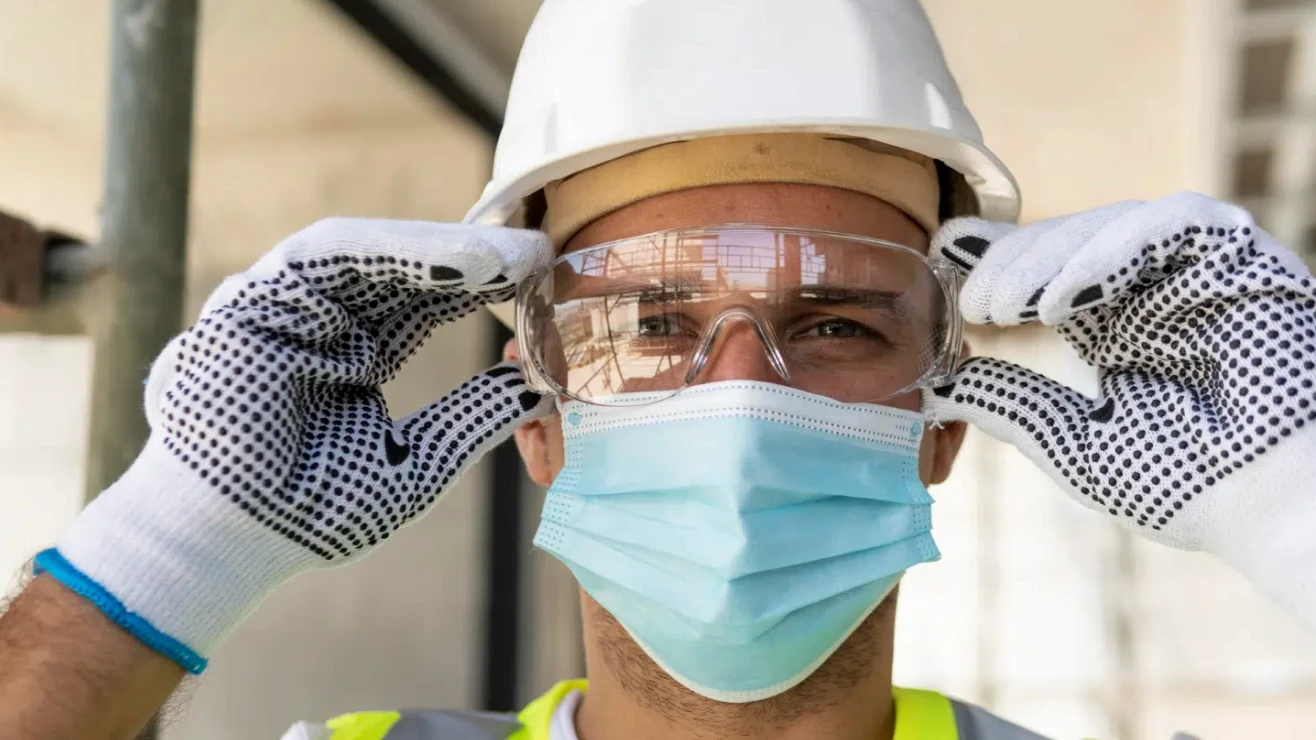
To achieve this, occupational safety ranges from identifying risks to implementing preventive measures, such as training, the use of Personal Protective Equipment (PPE), and environmental adaptation.
In addition to creating a safe environment, occupational safety is directly linked to improving the quality of life of employees. An environment that prioritizes safety results in lower occupational stress and reduces the occurrence of accidents, which, in turn, increases team motivation and productivity.
Companies that invest in occupational safety practices not only comply with regulatory standards but also demonstrate a commitment to the well-being of their employees.
With technological innovations, occupational safety has evolved, bringing new tools and methodologies that enhance prevention strategies. The use of drones for inspections, virtual reality for training, and real-time monitoring systems are examples of how technology can transform safety in the work environment. Thus, occupational safety becomes a strategic component, essential for worker health and organizational success.
The Need for Innovation in Occupational Safety
Innovation in occupational safety is not just a trend; it is an urgent necessity to face the contemporary challenges of the working environment.
With the increasing complexity of operations and the growing diversity of workforces, traditional safety strategies are often insufficient to mitigate risks. Occupational accidents, occupational diseases, and a lack of employee engagement are problems that need more efficient and effective solutions.
Incorporating new technologies, such as connected devices, artificial intelligence, and augmented reality, allows for a more proactive approach to safety management. This not only improves risk identification and analysis but also facilitates more engaging and realistic training.
For example, simulations in virtual environments can prepare employees for hazardous situations more effectively than traditional methods.
Furthermore, companies that embrace innovation in occupational safety stand out in the market, attracting talent and improving employee satisfaction.
A safe and innovative working environment results in lower turnover and higher productivity, contributing to organizational health as a whole. Therefore, investing in innovation is not just a matter of compliance, but rather a smart strategy to ensure the well-being of workers and the long-term success of the company.
Emerging Technologies in Occupational Safety
Emerging technologies are radically transforming the field of occupational safety, bringing new opportunities for accident prevention and the promotion of a safe working environment.
Among the main innovations, solutions based on artificial intelligence (AI) stand out, which are capable of analyzing big data to identify risk patterns in real time. This allows companies to anticipate dangerous situations and implement corrective measures before they become incidents.
Another relevant technology is the Internet of Things (IoT), which connects devices and sensors in a work environment. Through environmental sensors, it is possible to monitor conditions such as temperature, humidity, and levels of toxic gases, ensuring workers' safety at all times.
In addition, the use of wearables, such as helmets and vests equipped with sensors, provides real-time information about the health and safety of employees.
Augmented reality (AR) and virtual reality (VR) are revolutionizing training in occupational safety. With immersive simulations, employees can practice safety procedures in a controlled environment, increasing learning effectiveness and preparation for real situations.
These technologies not only increase safety but also promote a culture of prevention. By adopting innovations, companies not only guarantee the health of their employees but also position themselves as leaders in social responsibility, contributing to a safer future in labor practices.
Examples of Innovations in Occupational Safety
Innovation in occupational safety manifests itself in various initiatives and technologies that have shown significant results in protecting employees.
A striking example is the use of drones to conduct inspections in hard-to-reach locations, such as oil rigs and large construction sites. These devices allow the identification of hazards and the monitoring of working conditions without exposing professionals to dangerous situations.
Another interesting innovation is the use of facial and thermal recognition cameras. This technology can ensure that only authorized workers access restricted areas, as well as monitor the health status of employees, detecting conditions like fever that could indicate a risk to collective health.
The implementation of digital safety management platforms also stands out. These tools enable more effective communication between teams, making incident reporting and risk management much more agile.
Mobile applications that facilitate the recording of hazards observed in the work environment empower employees and promote a culture of safety.
In addition, augmented reality has been used for training, providing practical and safe experiences. Workers can simulate risk scenarios and apply the knowledge acquired in a controlled environment, increasing information retention.
These examples demonstrate that innovation in occupational safety not only reduces accidents but also promotes an environment where the health and well-being of workers are prioritized.
Pix Force has the right solution for the occupational safety sector
Pix Safety, developed by Pix Force, represents a revolution in occupational safety, transforming simple monitoring cameras into powerful protection sensors.
With the integration of artificial intelligence, Pix Safety allows the visual inspection of processes in a precise and efficient manner, providing agility in identifying risks and ensuring a safer working environment.
The innovative solution not only monitors daily activities but also offers real-time alerts regarding deviations and inappropriate behaviors, thereby minimizing the likelihood of accidents.
In summary, one of Pix Safety's main functionalities is the detection of the proper use of Personal Protective Equipment (PPE). Ensuring that all workers are using the correct equipment is essential for safety in the industrial environment.
Furthermore, the ability to quickly define risk areas allows companies to control the movement of people and objects in potentially dangerous locations, increasing the effectiveness of the implemented safety measures.
These resources are fundamental in a country like Brazil, which occupies a high position in the ranking of occupational accidents, reinforcing the need for innovative solutions to reduce these alarming rates.
Another feature of Pix Safety is its approach focused on auditing and training. The platform provides consolidated data in an intuitive dashboard, enabling companies to conduct detailed audits and identify areas that need improvement.
This proactive monitoring capability not only informs necessary interventions but also helps create a safety culture, where prevention is prioritized.
With testimonials from large companies, such as Petrobras, highlighting the effectiveness of Pix Safety, it is evident that the technology not only helps identify problems but also guides process modification, promoting a safer and more productive work environment.
Challenges in Implementing Innovations
The implementation of innovations in occupational safety, despite its obvious benefits, faces several challenges that can hinder its success. One of the main obstacles is cultural resistance.
Many companies have established practices, and therefore, employees may be reluctant to adopt new technologies or methods, fearing changes to their daily routines.
Another significant challenge is that some solutions can come with a high cost. Advanced equipment, management software, and specialized training can require substantial investments.
For small and medium-sized enterprises, this can represent an insurmountable barrier, leading to hesitation in adopting innovations that could increase workplace safety.
The lack of technical knowledge is also a limiting factor. Many occupational safety professionals may not be familiar with new technologies, which prevents their correct application and the full utilization of available innovations.
Continuous and updated training is essential to ensure that everyone involved understands the tools and knows how to use them effectively.
Furthermore, integrating new technologies with already existing systems can be complex. Compatibility between different platforms and tools is a critical aspect; if not addressed, it can result in operational failures.
Overcoming these challenges requires an organizational commitment to change and careful planning to ensure that innovations in occupational safety are adopted in an efficient and sustainable manner.
Conclusion
Innovation in occupational safety is a crucial factor for creating safer and more productive work environments. With the adoption of advanced technologies such as artificial intelligence, wearables, and virtual reality simulations, companies are not only preventing accidents but also promoting a safety culture based on data.
These trends not only improve operational efficiency but also demonstrate a growing commitment from organizations to care for the well-being of their employees.
As the market evolves, it is essential for companies to continue investing in innovations and training, overcoming existing barriers and adapting to new realities. As we have seen here, one of the safety innovations with good results is Pix Safety.
Finally, the future of occupational safety is not just about avoiding risks, but about creating an environment where health and safety are prioritized, resulting in higher job satisfaction and an increase in overall productivity. Thus, by embracing innovation, organizations not only protect their employees but also position themselves competitively in the market.

Fabio Caraça
Fábio Caraça is the Chief Growth Officer at Pix Force. He leads Pix Force's transformation into a scalable SaaS operation, combining strategic vision, culture, and high-impact execution.