Occupational health and safety

Workplace safety is a priority that cannot be neglected, and the proper use of Personal Protective Equipment (PPE) plays a vital role in protecting workers. To ensure that this equipment performs its function effectively, it is essential to implement a PPE delivery control system.
In this article, we will explore the importance of efficient PPE delivery management, addressing best practices to ensure that every employee has access to the appropriate equipment and knows how to use it correctly.
By doing so, we not only improve occupational health and safety but also ensure compliance with regulatory standards, promoting a culture of safety in the workplace.
Speak with one of our specialists and discover how Pix Force can transform your business
What Are PPE?
Personal Protective Equipment (PPE) are fundamental tools for worker safety in various work environments, especially those with occupational hazards.
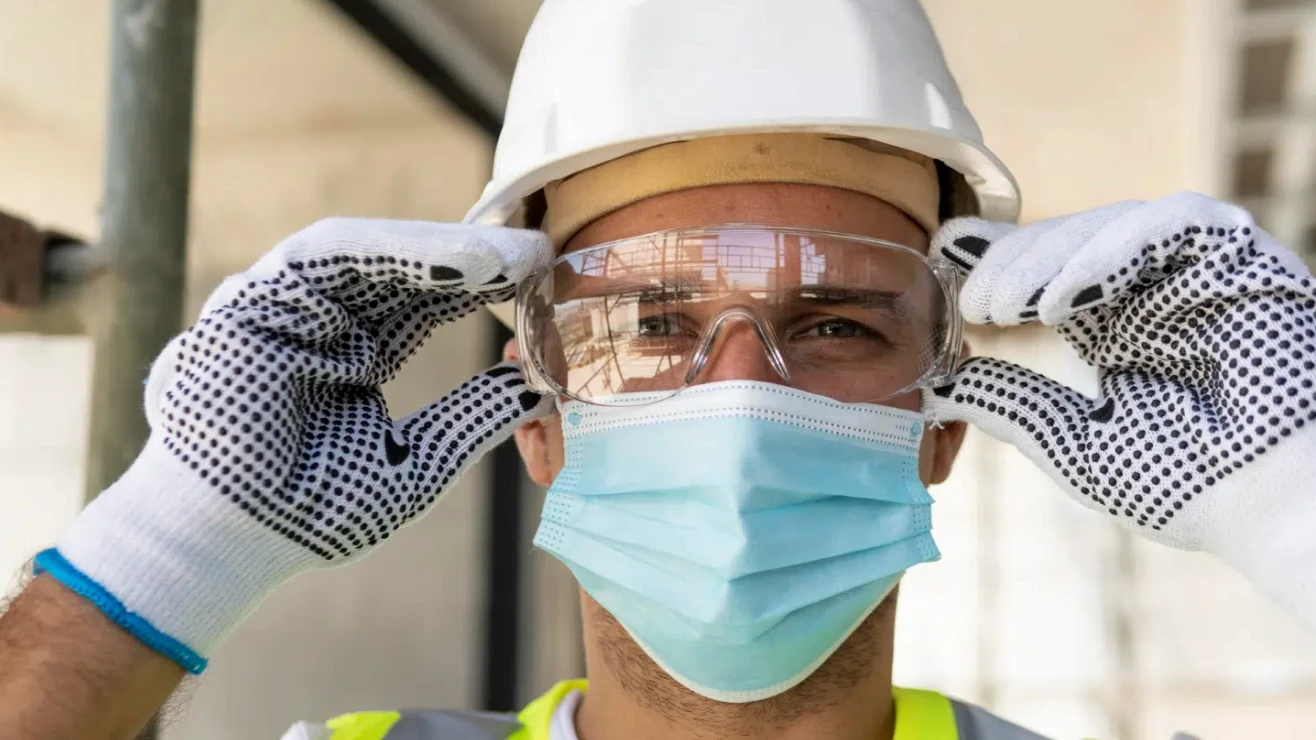
According to Regulatory Standard No. 6, PPE is defined as devices or products used by workers for protection against risks that may threaten their health or safety. This includes a wide range of items, such as helmets, safety glasses, gloves, ear protectors, respirators, and appropriate clothing.
The primary function of PPE is to minimize exposure to hazards that can cause accidents, injuries, or occupational diseases. In addition to protecting the worker, the correct use of PPE is a legal requirement, and the company is responsible for providing this equipment free of charge and ensuring that it is used correctly.
It is also the responsibility of organizations to promote adequate training so that employees understand not only the importance of using PPE, but also how to use and maintain it properly.
Therefore, the correct delivery and management of PPE are essential to ensure safety in the work environment.
By investing in employee protection, companies not only comply with the legislation, but also promote a culture of safety and well-being that results in a healthier and more productive work environment.
Importance of PPE Delivery Control
PPE delivery control is a crucial practice for workplace safety. Ensuring that workers have access to the appropriate PPE, in the right quantities, and in good condition is essential to minimize the risks of occupational accidents and diseases.
By implementing an effective control system, companies can ensure that all employees have the necessary equipment to perform their duties safely.
In addition to promoting worker health and safety, PPE delivery control contributes to compliance with labor regulations and laws. Non-compliance with these standards can result in legal sanctions and financial losses, not to mention the deterioration of the company's cultural environment regarding safety.
Another important aspect is the promotion of a safety culture; when workers perceive that the company cares about their protection, it encourages adherence to the correct use of PPE and awareness about occupational safety.
Finally, an effective PPE delivery control allows for the monitoring of use and prevention of waste, resulting in cost reduction and resource optimization. Therefore, the implementation of an efficient control system is an essential strategy to ensure worker safety and the success of the organization as a whole.
How to Implement a PPE Delivery Control System
Implementing a PPE (Personal Protective Equipment) delivery control system is essential to guarantee worker safety and the company's operational efficiency.
The first step in this process is to map out all types of PPE required for each role within the organization, considering the risks associated with each activity.
Next, choose a technological platform that facilitates the recording and tracking of PPE. Management systems can automate the control, allowing the recording of information such as delivery dates, serial numbers, condition, and validity of the equipment.
This automation also generates alerts regarding the maintenance and replacement of PPE, avoiding waste and ensuring that workers always have access to appropriate equipment.
Employee training is another crucial aspect. Conduct training sessions so that everyone understands the importance of using PPE, how to use it correctly, and the importance of reporting any issues. Furthermore, it is essential to have a feedback policy, encouraging workers to share suggestions about the system and the use of PPE.
Lastly, continuously monitor and evaluate the control system. Measure the effectiveness of the adopted practices, adjust processes as necessary, and maintain an open dialogue with employees. This way, you will ensure a safer and more productive work environment, promoting the desired safety culture in the organization.
Best Practices for PPE Delivery Control
Adopting best practices for PPE delivery control is vital to ensure the health and safety of workers.
First, it is essential to conduct a detailed assessment of PPE needs for each role, ensuring that all employees have the appropriate equipment available for their activities.
Implementing a digital management system is a recommended practice, as it allows for real-time tracking and recording of PPE delivery, use, and maintenance. This approach not only facilitates control but also reduces the risk of errors and ensures a quick response in case of replacement needs.
Furthermore, promoting regular training on the importance of PPE is fundamental. Workers must be aware of how to use the equipment correctly and the relevance of reporting on its condition. In this way, the safety culture is strengthened within the organization.
Another effective practice is to conduct periodic audits to assess adherence to PPE use and the condition of the equipment. Employee feedback should be prioritized; listening to their suggestions and concerns helps to continually improve the control system.
Finally, establishing a transparent policy of responsibility regarding the use of PPE strengthens awareness and discipline. With these practices, companies ensure not only compliance with regulations but also the safety and well-being of all workers.
Compliance and Audit
Accounting and auditing are essential aspects for the effective control of the delivery of Personal Protective Equipment (PPE). These processes ensure that all resources intended for worker safety are monitored and managed effectively, ensuring transparency in operations and compliance with regulations.
Accounting must include accurate documentation of all transactions related to PPE, from acquisition to delivery and maintenance. This not only facilitates cost control, but also allows the identification of consumption trends and the forecasting of future needs, preventing waste and ensuring the adequate availability of equipment.
On the other hand, audits play a crucial role in verifying compliance with internal policies and safety standards. Conducting regular audits helps to identify flaws in the delivery and use processes of PPE, in addition to measuring the effectiveness of the implemented actions.
Audits also provide a clear view of compliance with safety standards, allowing the company to make necessary adjustments to improve the workplace safety culture.
In summary, integrating accounting and auditing into the control of PPE delivery is fundamental to ensure worker protection and the sustainability of the company. These elements work together to create a safer and more efficient work environment, in addition to strengthening the organization's social responsibility and reputation in the market.
Conclusion
In conclusion, PPE delivery control is a fundamental responsibility to ensure the safety and health of workers in the work environment.
The adoption of best practices, such as surveying PPE needs, using digital management systems, and promoting training, significantly contributes to reducing risks and promoting a solid safety culture in organizations.
Furthermore, accounting and auditing play crucial roles in the transparency and effective monitoring of resources invested in safety, allowing companies to identify opportunities for improvement.
Thus, by focusing on PPE delivery control, companies not only comply with regulations and reduce operational costs, but also demonstrate a commitment to the well-being of their employees.
Ensuring the availability and proper use of PPE is an essential investment to create a safer and more productive work environment, positively impacting both workers' health and the company's reputation in the market.

Fabio Caraça
Fábio Caraça is the Chief Growth Officer at Pix Force. He leads Pix Force's transformation into a scalable SaaS operation, combining strategic vision, culture, and high-impact execution.