News
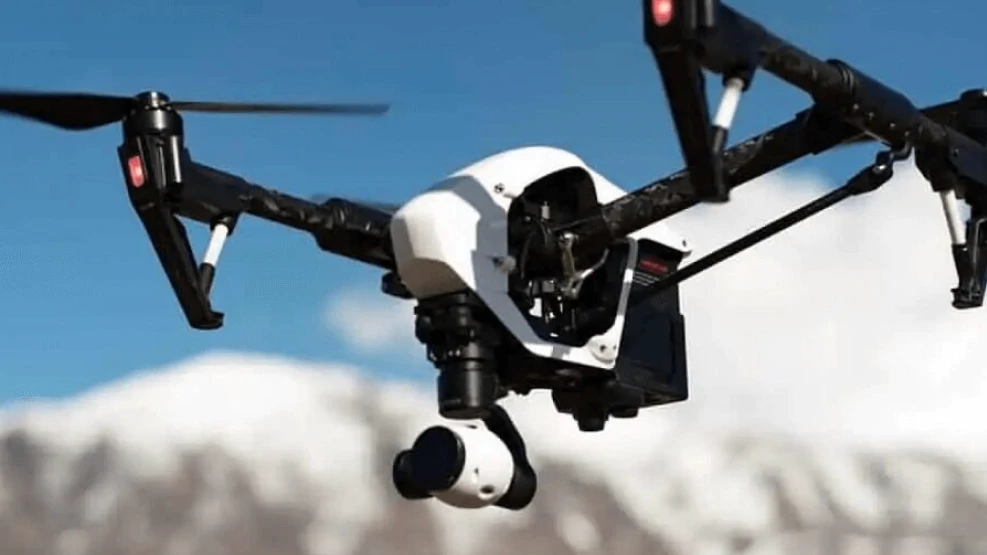
The remote sensing technique is widely used in agriculture, previously performed through satellites, and is now also carried out by high-tech drones. Learn here how multispectral cameras are advantageous for remote sensing with drones. The purpose of the procedure is to represent and collect data from plants or surfaces quickly and at great distances from the monitored region.
Speak with one of our specialists and discover how Pix Force can transform your business
What is remote sensing?
Remote sensing consists of processing, storing, and analyzing collected data to better understand existing phenomena on the monitored surface. Traditionally, the images used are those from sensors capable of measuring the electromagnetic radiation emitted by the surface of any object, such as the reflection of sunlight. This technique has several applications in agriculture, such as crop monitoring, plant health monitoring, and pest detection, among others. Light has different spectral intervals, which is easily demonstrated through Newton's famous glass prism, which "decomposes" light into infinite spectra in various shades. Currently, UAVs are being equipped with highly modern cameras, called multispectral or hyperspectral. These cameras are composed of multiple sensors, each with a specific high-quality filter for capturing various reflected wave formats, and more specifically, for capturing these different spectral bands. Do you want to know everything about Computer Vision? Click here and learn from this super article!
Drones with multispectral cameras
The colors we can see are basically defined by the wavelength of light. Plants absorb and reflect light in different ways, according to the wavelength incident upon them. Crops typically absorb blue and red light, reflecting the vast infinity of other spectrums that are invisible to the human eye. The reflected waves can be captured by appropriately equipped drones that record a specific spectral band. The vast majority of cameras on the market are of the conventional type — RGB sensors. When used in drones, these sensors require an infrared filter attached to the camera to capture some spectral bands. These conventional models cause some contamination in the information, which can saturate certain vegetation indices and not correctly represent the crop. The most modern model, the hyperspectral camera, consists of multiple sensors, each of which has a specific, extremely high-quality, and high-resolution filter. In this way, measurements are much more precise and with less noise compared to conventional cameras that require conversion by attached filters — the conventional model. Multispectral cameras can individualize each of the captured colors (blue, green, red, etc.). In addition, they capture all invisible colors, such as infrared and RedEdge — an electromagnetic spectrum of significant change in vegetation reflectance. Another major advantage of these modern cameras is the ability to adjust the color of the photo according to daylight, meaning it is possible to adjust the photos for cloudy or sunny days, ensuring very high definition regardless of weather conditions.
Multispectral sensors
There are already many quality hyperspectral cameras on the market for use in drones. Among the most sought after, we can highlight the sensors from Tetracam, Airinov, and MicaSense. A good example is the Sequoia model from MicaSense, weighing only 107 grams, used in an integrated way with GPS and allowing use in quadcopters and fixed-wing drones. Using these sensors in precision agriculture, it is possible to clearly define how healthy the crop is and easily detect various types of pests. These modern cameras significantly reduce the probability of errors in images and measurements, ensuring high reliability and allowing deeper analysis and better monitoring. When opting for remote sensing by drones in a plantation, it is recommended to use a multispectral camera, in order to obtain analyses resulting in a great harvest and excellent results.

Fabio Caraça
Fábio Caraça is the Chief Growth Officer at Pix Force. He leads Pix Force's transformation into a scalable SaaS operation, combining strategic vision, culture, and high-impact execution.