Energy
The transformation of the energy sector toward a clean and sustainable society presents enormous opportunities and significant challenges. These range from infrastructure and generation capacity to transmission and distribution, along with the need to ensure the security, reliability, and efficiency of the system. Increasingly, Artificial Intelligence (AI) has stood out as a powerful tool to address these challenges and pave the way for global electrification.
The Impact of AI in Transforming the Power Sector
AI Systems in the Power Sector for Transmission Line Inspection
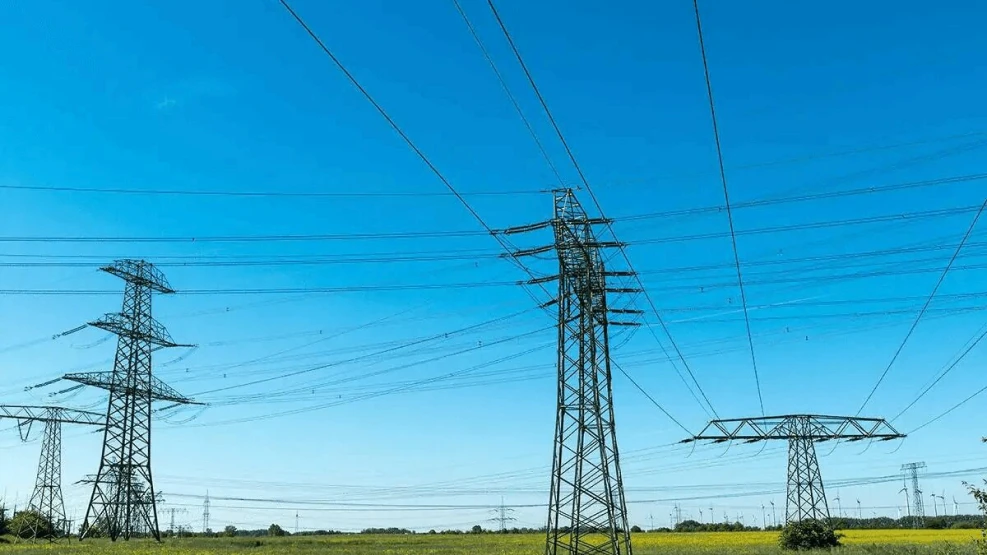
AI plays a vital role in the inspection and maintenance of transmission lines. Drones equipped with cameras and sensors can capture real-time information about the state of transmission lines, allowing for effective monitoring and rapid identification of issues. With the assistance of AI algorithms, the captured images can be analyzed to detect defects and risk areas.
Orbital images provided by satellites are also used to monitor transmission lines in remote or hard-to-reach areas. In these cases, AI is crucial in analyzing the large volume of captured data, aiding in problem identification and decision-making.
The use of drones and AI considerably reduces costs and increases the efficiency of inspections, minimizing the need to send crews to high-risk areas.
Speak with one of our specialists and discover how Pix Force can transform your business
AI-Associated Digital Twin Systems for Remote Control of Substations in the Electricity Sector.
The Digital Twin is a digital representation that replicates a physical object or system. When associated with AI, it can simulate scenarios, predict failures, and optimize the operation of power substations.
With the help of sensors and real-time data transmitters, the Digital Twin replicates the physical substation in a digital environment, allowing for remote monitoring and control. This increases efficiency, as AI can identify trends and patterns in the data that can be used to predict failures, demands, and better manage energy production and distribution.
Automatic Meter Reading Using OCR Technology
Another interesting use of AI in the electric sector is the self-reading of utility meters through OCR (Optical Character Recognition) technology. This technology uses AI to recognize and interpret text in images, such as meter readings.
This results in greater accuracy in readings, eliminating human errors, and allows the collection and processing of data in real time, which can be useful for both the energy company and the consumer.
Digital Audio Processing Algorithms to Identify Problems in Wind Turbines in the Electrical Sector
Wind energy is one of the pillars of clean energy production. However, wind turbines, which generate energy from the movement of the wind, require continuous inspection to ensure their optimal functioning.
AI, through digital audio processing algorithms, can help identify any abnormal sound that may indicate a problem in the wind turbine. This analysis can detect failures in specific components of the wind turbine, such as the blades or the generator, allowing for quick repairs and minimizing downtime.
Data and Aerial Image Analysis to Identify Potential Energy Theft in the Power Sector.
One of the major challenges for energy companies is the detection of non-technical losses, such as electricity consumed without payment. AI can help combat this fraud through the analysis of data and aerial images.
Imaging technologies, such as drones and satellites, can capture data on the power grid infrastructure, while AI algorithms can analyze this data to identify anomalies or suspicious changes that may indicate unpaid energy consumption. Thus, AI not only helps identify cases of fraud, but can also be used to continuously monitor the grid and prevent future fraud.

Fabio Caraça
Fábio Caraça is the Chief Growth Officer at Pix Force. He leads Pix Force's transformation into a scalable SaaS operation, combining strategic vision, culture, and high-impact execution.