Energy

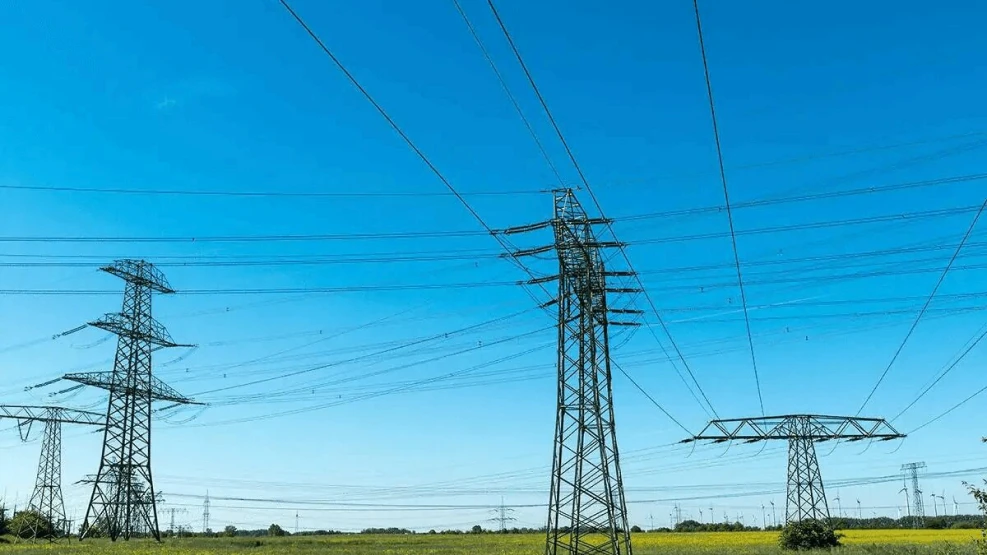
The development of Artificial Intelligence (AI) has provided an enormous variety of benefits for the most diverse industries in recent years. The capability that this type of technology possesses for data processing is radically guiding the vision of the near future for task automation. Recurring activities will be the most automated, saving an important amount of economic resources and time for companies. But do you already know how AI can contribute to the energy sector, improving the inspection process of electrical transmission lines? According to the regulations that the National Electric Energy Agency (ANEEL) imposes on energy distributors in Brazil, all electrical transmission lines in the country must be inspected every six months, in order to guarantee the optimal functioning of the system and predict future problems in the networks that could affect end users. And one of the best ways to carry out this inspection is through drones. Understand now!
Need for transmission line inspection
Failure to constantly analyze and maintain these lines harms companies economically due to fines charged by the regulatory agency. In addition, it can also cause major supply problems, resulting from the fall or shutdown of transmission lines in poor condition. However, traditional ways of performing this type of inspection, such as dispatching specialized employees and low helicopter flights, are, besides being dangerous and highly inefficient — as in the first case —, highly costly from an operational point of view — as in the second. Therefore, companies are increasingly opting for the use of new technologies that provide better results. Today, innovations such as Pix Grid, from Pix Force, utilize advances in Artificial Intelligence to perform fast and accurate inspections on the status of transmission lines in real-time, enabling a reduction in costs and mission time. AI plays a vital role in the inspection and maintenance of transmission lines. Drones equipped with cameras and sensors can capture real-time information about the status of transmission lines, allowing for effective monitoring and quick identification of problems. With the assistance of AI algorithms, captured images can be analyzed to detect defects and risk areas.
Orbital images provided by satellites are also used to monitor transmission lines in remote or difficult-to-access areas. In these cases, AI is crucial in analyzing the large volume of captured data, helping in the identification of problems and decision-making.
The use of drones and AI significantly reduces costs and increases the efficiency of inspections, minimizing the need to send crews to hazardous areas.
[caption id=”attachment_2955” align=”alignnone” width=”640”] How transmission line inspection has been improved through the use of drones[/caption]
Transmission Line Inspection Methods
Transmission line inspection is essential to ensure the safety and efficiency of the electrical grid. With advancing technologies, different methods have been adopted to identify problems before they become critical. In this context, three methods stand out: Visual Inspection, Thermographic Inspection, and Ultrasonic Inspection. Each has its own characteristics and advantages, allowing for an accurate diagnosis of line conditions.
Speak with one of our specialists and discover how Pix Force can transform your business
Visual Inspection
Visual Inspection is one of the most traditional and accessible methods for monitoring transmission lines. Using binoculars, drones, or foot inspections, technicians detect visible anomalies such as corrosion, mechanical damage, and obstructions. This approach, although simple, requires a trained eye to recognize problems in structures and components. Visual Inspection is important as an initial diagnostic step before using more sophisticated technologies, ensuring that all areas of the line are regularly examined. For a long time, helicopters were widely used in visual inspections. However, drones are gradually replacing helicopters in inspections of power assets, such as transmission towers, due to their efficiency and high-quality data collection. This significantly reduces operational costs, since drones are more economical. In addition, regulatory restrictions and the high risk of helicopter operations have led utilities to explore innovative solutions.
Thermographic Inspection
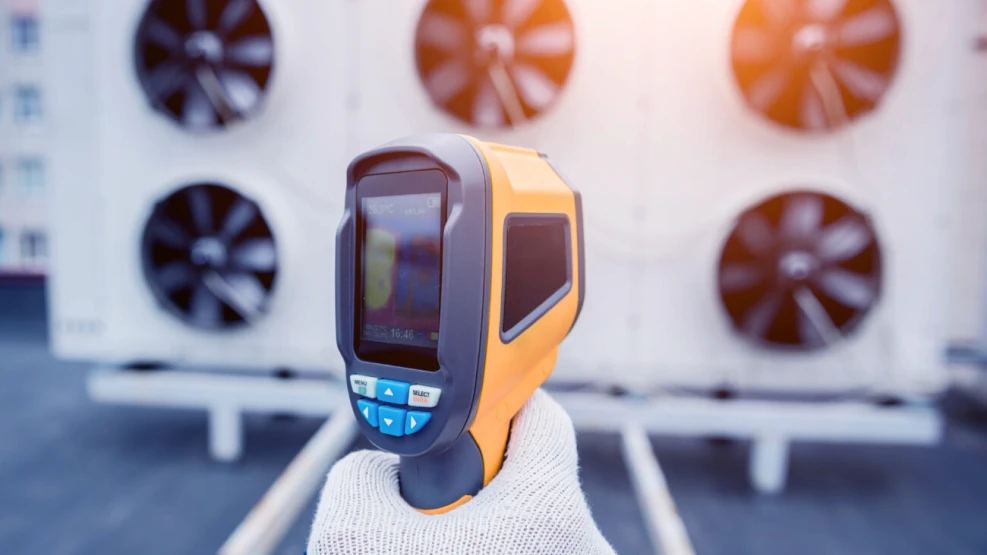
Thermographic Inspection uses infrared cameras to identify hot spots in transmission lines, where there is an excessive increase in temperature caused by loose or damaged connections. This technique is efficient for detecting overloads and hidden electrical faults, which can be harmful if not resolved quickly. The advantage of Thermographic Inspection lies in its ability to perform real-time measurements, allowing maintenance teams to act before major problems occur, thus increasing the reliability of the electrical grid.
Ultrasonic Inspection
Ultrasonic Inspection is an advanced technique that uses high-frequency sound waves to detect cracks and fissures in structures and components of transmission lines. This approach offers a detailed analysis of the mechanical integrity of materials, allowing for a precise diagnosis of problems that are not visible to the naked eye. With high sensitivity, Ultrasonic Inspection is a valuable tool that contributes to preventive maintenance, helping energy companies to ensure the continuity and safety of the electricity supply.
Evolving Technologies for Inspections
With the continuous advancement of technology, transmission line inspections are becoming increasingly efficient and precise. Innovations in equipment and monitoring techniques not only improve safety, but also enable more effective predictive maintenance. Among the main evolving technologies, innovations in infrared cameras and the use of drones stand out, which facilitate access to hard-to-reach locations. These tools are revolutionizing the way inspection is carried out, contributing significantly to operational efficiency and cost reduction.

Fabio Caraça
Fábio Caraça is the Chief Growth Officer at Pix Force. He leads Pix Force's transformation into a scalable SaaS operation, combining strategic vision, culture, and high-impact execution.