Energy
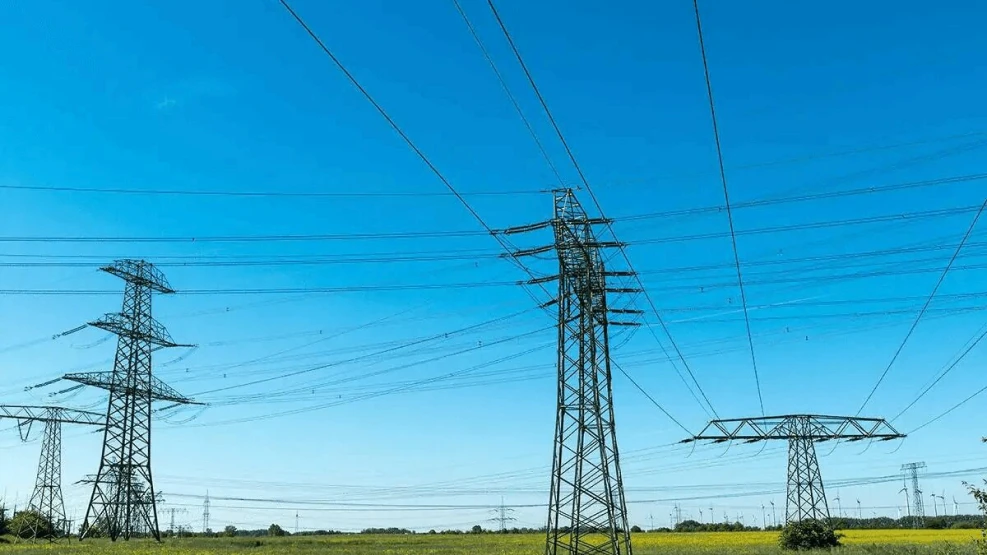
Electric power transmission is a vital process for the distribution of electricity from generating plants to final consumers. This complex system involves the transport of energy through extensive networks of high-voltage transmission lines, which allow electricity to be sent over long distances efficiently and safely. The transmission lines are supported by robust towers and are connected to substations that regulate and adjust the electrical voltage, adapting it for safe use in both industrial and residential environments. This system not only connects energy-producing regions to major consumer centers, but also integrates different generation sources, such as hydroelectric, thermoelectric, and wind farms, facilitating the effective management and distribution of the generated energy. The energy transmission market in Brazil is highly regulated, ensuring the continuous expansion and maintenance of the infrastructure necessary to meet the growing demand for energy. Energy is used to heat homes, run appliances, power machinery in industries, as well as hospitals and many other sectors. Below we have created an extensive overview that will help you understand how the energy transmission market works in Brazil. Check it out! READ ALSO: • Learn all about Computer Vision
• Drone inspection on power transmission lines
What is electrical energy transmission?
Electrical energy transmission is an essential process in the energy system that involves transporting electricity from generating plants to final consumers, whether residential, commercial, or industrial. This transport occurs through a complex network of high-voltage lines and substations that conduct energy over long distances with the goal of minimizing energy losses during the journey. Transmission lines are the main structures responsible for this task, functioning as the arteries of the power system, ensuring that the electricity produced in the plants reaches cities and other points of consumption. The high voltage used in these lines allows energy to be transmitted more efficiently, reducing the amount of energy lost as heat and, consequently, the cost to consumers and the environmental impact.
How does this market work?
The electricity transmission market in Brazil is highly regulated and planned, being one of the key elements for the expansion and efficiency of the electricity sector in the country. The management of this market is coordinated by the government through regulatory agencies such as the National Electric Energy Agency (ANEEL), which defines the rules, tariffs and conducts auctions for new transmission line projects. The current market model allows the exchange of energy between different regions, ensuring a constant supply of electricity even during periods of high demand or low generation in some areas. This is possible due to the National Interconnected System (SIN), which connects almost the entire national territory and allows energy to be moved from where it is generated to where it is most needed. Domestic and international investors can participate in transmission auctions, where long-term contracts are awarded to build, operate, and maintain transmission lines. These auctions have proven attractive due to the stability and predictability of returns on investment, resulting from the regulated nature of tariffs and the essentiality of the service. Therefore, the energy transmission market is not only fundamental to the country's energy infrastructure, but also represents an area of significant opportunities for investors in the energy sector. In Brazil, the energy transmission market emerged in 1879 when Dom Pedro II hired Thomas Alva Edison to introduce incandescent light bulb technology to public lighting. Years later, in 1883, the country's first hydroelectric power plant began operating, located where the city of Diamantina is today, with the region's rivers being the main energy sources. Throughout the 20th and 21st centuries, other types of energy production were adopted by the Brazilian government, such as thermoelectric, nuclear plants, solar and wind energy. Over the centuries, we have had investments in hydroelectric power, with emphasis on Itaipu, the second largest hydroelectric power plant in the world up to that time. The increase in consumption and the consolidation of electric energy brought the need for the creation of the energy market in Brazil.
Speak with one of our specialists and discover how Pix Force can transform your business
Energy generation: what is the path taken by electrical energy?
The energy market originates in the country's power generation plants. In Brazil, most of the energy generated comes from hydroelectric plants, corresponding to practically about 70% of the installed generation capacity in the country. The second largest source of energy for the country derives from thermoelectric plants, with 14%, while third place goes to wind energy, with 8%. We also need to highlight energy distributors and their commercialization agents, which are important to the production chain of the Brazilian electricity market. They do not produce energy, but they can act by buying or selling energy. In this way, each of the investors operating in the electricity market operates through licenses, concessions, or authorizations. To operate, companies in the sector must submit to a series of rules from various institutions, with ANEEL being the main one. Furthermore, the National Electric System Operator plays an important role since it controls the inventory in hydroelectric plants and forecasts river flows, thereby releasing greater use of thermal generation sources to meet demand if production in hydroelectric plants is below what is needed.
Transmission lines: some numbers on electrical energy transmission
The purpose of electrical energy transmission is to generate electricity to those responsible for delivery (which are the distributors) to customers. These two groups (transmission and distribution) are regulated by ANEEL and are considered natural monopolies, since competition between companies in the sector would not bring any benefits to society. In general, the electrical energy market has some base numbers: • 60% of electrical energy generation is produced through hydroelectric plants
• 85% of consumption units are residences
• 35% of energy consumption is by industries
The information above consolidates public information from the Monthly Review of the Electrical Energy Market. The work is the result of cooperation between agents in the energy market, both suppliers and consumers. Another body that assists in this construction is the Permanent Committee for Analysis and Monitoring of the Electrical Energy Market (COPAM), but with supervision carried out by EPE. Another important point to be highlighted is the creation of the Anemometric Measurement Monitoring System (AMA), which consists of a computer application. This application aims to register the anemometric and climatological measurements provided by wind farms that win electrical energy auctions, both purchasing and selling. Generally, these auctions take place and are promoted by the Federal Government, through the Ministry of Mines and Energy. The measurements consist of a large source of data for studies on wind energy. However, they are not limited to that. The Statistical Yearbook of Electrical Energy and the Monthly Review of Electrical Energy provide complete subsidies for the study of the market. See in the video below how electrical energy transmission works: https://www.youtube.com/watch?v=Vj6FZ4zg_-I
Energy distribution: how does it happen today?
Power Plant
Electricity can be produced from various sources, but hydroelectricity is the main source in Brazil. Thus, hydroelectric plants are the first step for electricity transmission.

Fabio Caraça
Fábio Caraça is the Chief Growth Officer at Pix Force. He leads Pix Force's transformation into a scalable SaaS operation, combining strategic vision, culture, and high-impact execution.
