Energy
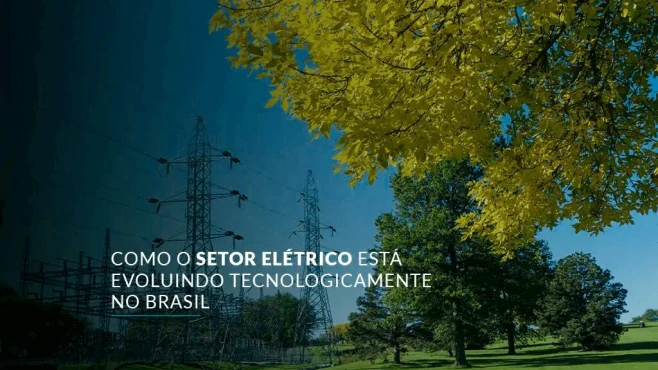
Did you know that the Brazilian electricity sector is among the areas most impacted by the digital transformation of recent years in Brazil? The Brazilian electricity sector is evolving rapidly in the country due to the wide diffusion of several innovative technologies in the market
innovative technologies
Some of the drivers of this transition are directly linked, in general, to the growing support of society for the reduction of carbon emissions, the increasing speed of regional development, the cost reduction of renewable energy generation technologies, and the drastic increase in computational capacities.
Innovation plays one of the most essential roles in the changing process of the electricity sector, promoting revolutionary transformations and creating opportunities for new technologies, products, systems, and business structures.
And despite the great challenges imposed by the accelerated changes driven by technological advancement and the recent economic and health crises, the Brazilian electricity sector is adapting to deal with an increasingly connected society.
Changes and Evolutions in the Electrical Sector
Electricity is one of the fundamental pillars for the functioning of any modern society. In Brazil, it is no different. Since Thomas Edison lit the first light bulb in 1879, electricity has become essential for socioeconomic and technological development. Without it, it would be practically impossible to imagine life as we know it today, with all its comforts and facilities.
The new consumption profile of the current generation has triggered most of these rapid transformations in recent years. Some aspects, such as
new
technologies for clean energy generation, smart grids, technologies for efficient energy consumption, and the introduction of electric vehicles, are destined to increase the sustainability of the sector. And Brazil has not remained oblivious to these changes.
It is estimated that about 83% of Brazilian electricity is generated from renewable sources, mostly hydroelectric energy. As a result, Brazil has one of the cleanest energy matrices in the world.
According to the National Electric Energy Agency (Aneel), the energy sector in Brazil will need to invest heavily in innovation, since international trends indicate that, in the future, the market will be decentralized and digital.
Structure of the Brazilian Electricity Sector
The Brazilian electricity sector is complex and organized into several distinct stages: generation, transmission, distribution, and commercialization of energy.
Speak with one of our specialists and discover how Pix Force can transform your business
Energy Generation
Energy generation in Brazil is predominantly hydroelectric, with hydroelectric power plants accounting for 64% of the country's energy production. However, other sources also play significant roles. Thermoelectric power plants contribute about 27%, while wind energy accounts for approximately 7%. Nuclear energy and solar energy are less representative, at 1% and 0.1%, respectively.
Watch the video below to see how energy generation auctions work in Brazil: https://www.youtube.com/watch?v=eQAVuRVV2-w
Power Transmission
Once generated, electrical energy needs to be transported to consumers. This process is carried out through the high-voltage transmission system, which in Brazil, due to its vast territorial size, exceeds 100,000 kilometers. High voltage is crucial to allow large amounts of energy to be transmitted with minimal losses.
Power Distribution
After leaving the transmission lines, the energy reaches the substations, where the voltage is stepped down before being distributed through the distributors' networks to homes, businesses, and industries. This process ensures that electrical energy is available safely and efficiently to end consumers.
Energy Trading
The trading of electricity in Brazil can occur in two ways: through distributors, which serve residential consumers and have their prices regulated by the government, or through trading companies, which sell energy to free consumers, such as large industries, which demand large amounts of energy.

Fabio Caraça
Fábio Caraça is the Chief Growth Officer at Pix Force. He leads Pix Force's transformation into a scalable SaaS operation, combining strategic vision, culture, and high-impact execution.

