Industry
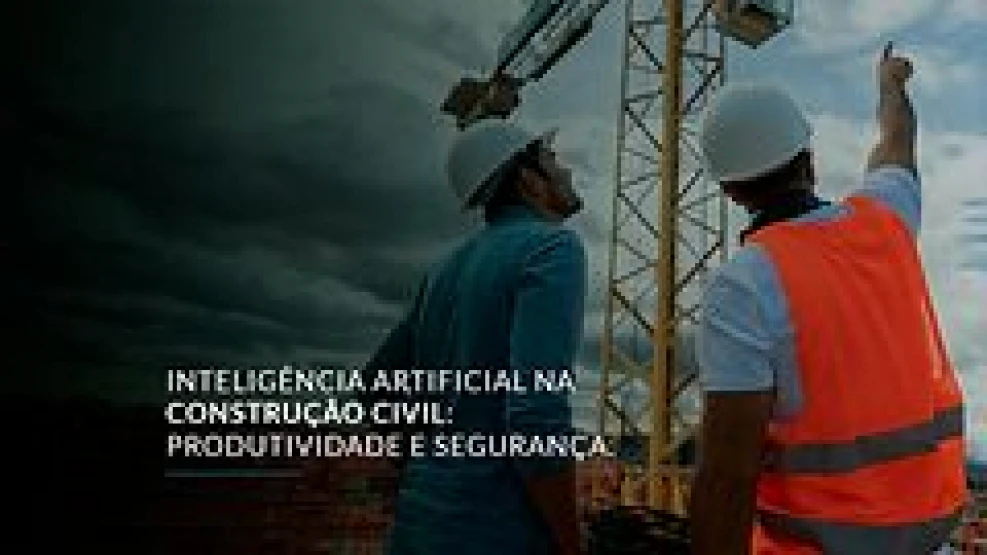
The construction sector is about to undergo a major transformation. In the coming years, artificial intelligence will have a significant impact on all aspects of the industry, from project design to construction execution.
As these advancements are incorporated on a large scale, you will see construction sites becoming safer, more efficient, and more sustainable. Projects can be optimized based on historical data and predictive models. Autonomous equipment will perform repetitive and high-risk tasks. And digital manufacturing techniques will reduce material waste.
In short, artificial intelligence has the potential to solve some of the construction sector's biggest challenges and to reinvent the way we build. Preparing for this new reality is essential for any professional or company wishing to thrive in the coming years. The transformation has already begun. Be ready to embark on this journey.
Benefits of AI in Construction
Greater Productivity
Imagine a construction site where AI is your ally. It is capable of analyzing huge datasets, identifying patterns and trends that human eyes might miss. This in-depth analysis allows for the optimization of processes and the elimination of unwanted delays. For example, AI can assist in selecting the most suitable materials, planning efficient routes, and intelligently scheduling tasks, saving precious working hours and, consequently, money.
Speak with one of our specialists and discover how Pix Force can transform your business
Cost Reduction
In addition to productivity, AI has a notable impact on cost management. It enters the scene by detecting failures, managing risks, and forecasting demand. By analyzing previous projects, AI determines the ideal amount of materials and labor needed for each new construction, minimizing waste and avoiding excessive costs. It is a financially intelligent approach that benefits both builders and clients.
Greater Security
Construction site safety is a non-negotiable priority, and AI raises the bar in this regard. It constantly monitors construction sites, identifying risks in real time. Workers without personal protective equipment do not escape its vigilance. Furthermore, AI inspects equipment and structures for damage or flaws before they become dangerous, significantly improving workplace safety and reducing accidents.
What are the applications of artificial intelligence in civil construction?
Artificial Intelligence (AI) is revolutionizing civil construction, providing innovative solutions for various phases of projects. One of the main applications of AI is in construction management, where algorithms analyze real-time data to predict delays, allocate resources efficiently, and monitor construction progress, optimizing productivity and reducing costs. Another significant application is in occupational safety. AI systems monitor the use of Personal Protective Equipment (PPE) and identify risk scenarios in real time through camera footage. This helps mitigate accidents and maintain a safe working environment. Regarding design and planning, AI assists in land prospecting and project feasibility assessment, integrating relevant information to facilitate decision-making. In addition, technologies such as Building Information Modeling (BIM) use AI for simulations, allowing engineers to visualize different scenarios before construction begins. Predictive maintenance also benefits from AI, helping to forecast repair needs based on historical data and analytics. This results in more efficient management of buildings and infrastructure, extending their lifespan and reducing unexpected costs.
- The Promising Growth of AI in Industry
Artificial intelligence has the potential to increase sector profits by approximately 71% by 2035, according to a study by Accenture. This is the right time to focus on the opportunities it offers and turn it into a differentiator in the different stages of business ventures.

Fabio Caraça
Fábio Caraça is the Chief Growth Officer at Pix Force. He leads Pix Force's transformation into a scalable SaaS operation, combining strategic vision, culture, and high-impact execution.