Occupational health and safety
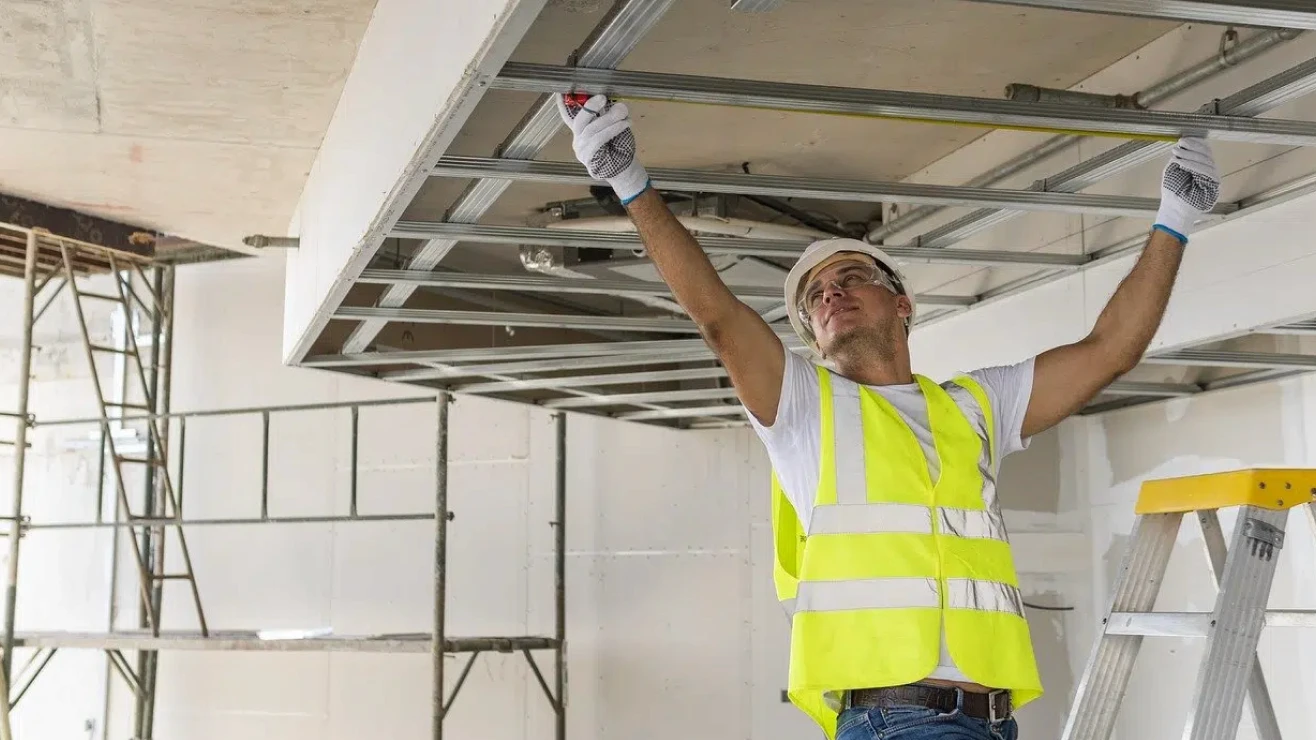
Workplace safety is a priority for any company that wants to protect its employees and ensure efficient performance. An effective way to ensure this protection is through safety inspections.
There are different types of inspection, each with its own focus, which help to identify and mitigate potential risks.
In this article, you will learn about 5 types of safety inspection that can be implemented in your company. From routine inspection to general assessment, each type plays a crucial role in preventing accidents and promoting a safer working environment. Follow along and discover how these practices can transform the safety culture in your organization.
Speak with one of our specialists and discover how Pix Force can transform your business
What are Safety Inspections?
Safety inspections are systematic procedures conducted to identify and evaluate risk conditions in the work environment. The main objective of these inspections is to ensure that all safety standards and practices are being followed, guaranteeing the physical integrity of employees.
During an inspection, factors such as equipment conditions, work environment, and operational procedures are analyzed. This process not only detects failures and irregularities, but also promotes awareness of the importance of safety.
Furthermore, frequently conducting these inspections can help companies reduce costs related to labor charges and improve productivity, as it provides a safer and more reliable organizational climate.
Safety Inspection Objectives
The main objectives of safety inspections are to ensure the protection of employees and compliance with regulatory standards. These inspections aim to identify potential hazards that could cause accidents or occupational diseases, promoting the adoption of corrective measures before incidents occur.
Furthermore, inspections help optimize the work environment by ensuring that all equipment is functioning correctly and is safe for use. Another important objective is to foster a safety culture within the company, raising employee awareness about the importance of prevention.
Finally, inspections contribute to reducing costs associated with workplace accidents and lawsuits, strengthening the company's image in the market.
When to Conduct Safety Inspections
Safety inspections should be conducted at strategic times to maximize their effectiveness. First, periodic inspections are recommended at regular intervals, such as weekly, monthly, or annually, depending on the nature of the work and the risks involved.
In addition to scheduled inspections, it is important to perform checks after incidents, accidents, or near-misses occur, to identify failures and prevent future occurrences.
Furthermore, whenever there are changes in the work environment, such as the introduction of new equipment or altered processes, an inspection must be conducted to ensure that new risks are properly managed.
Finally, seasonal events or adverse weather conditions also require specific inspections to ensure everyone's safety.

Main Types of Safety Inspection
Safety inspections are essential to ensure a safe and healthy working environment. They help to identify risks and implement corrective measures.
There are different types of inspection, each with its specific purpose.
Let's look here, in detail, at each type of inspection.
Routine Inspection
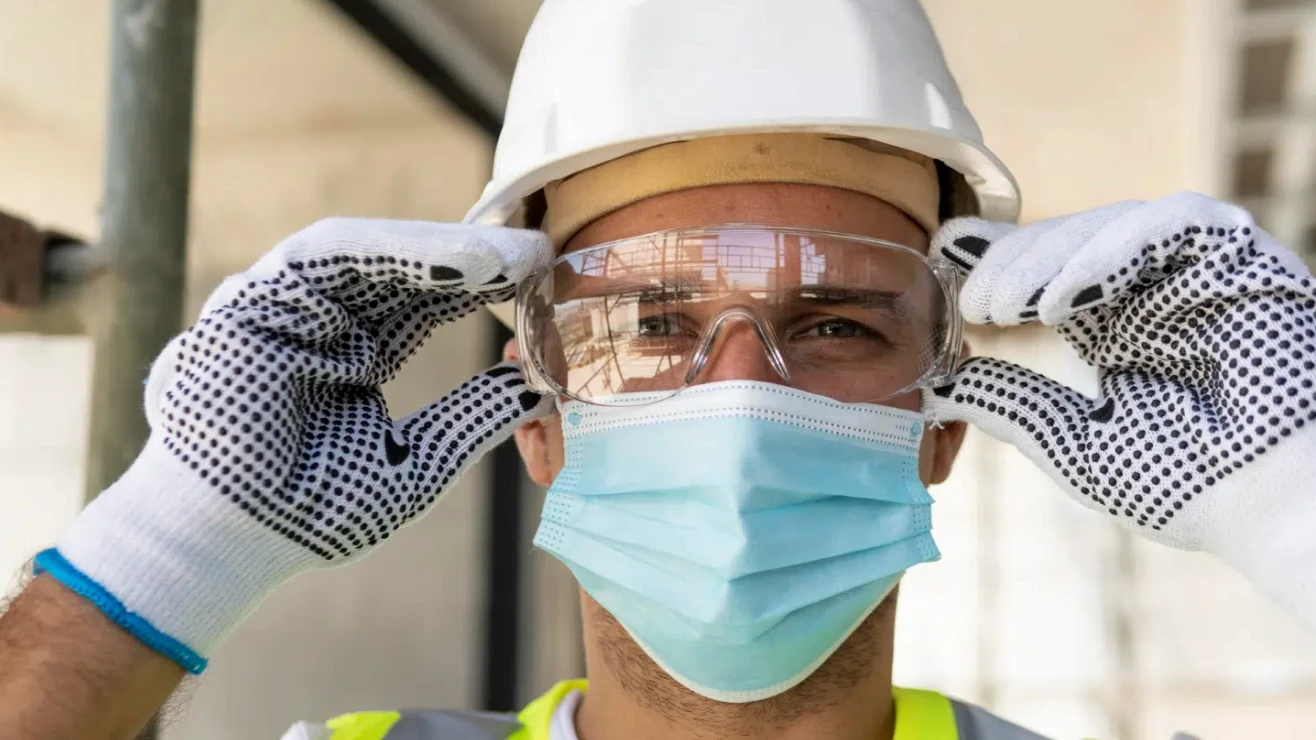
Routine Inspection is a daily practice aimed at monitoring safety conditions and identifying anomalies in real time. Usually performed by leaders or employees, this inspection focuses on verifying the proper use of Personal Protective Equipment (PPE) and other preventive measures.
Ad Hoc Inspection
The Ad Hoc Inspection is performed as needed, in response to specific or emergency situations. This type of inspection can be triggered after an incident, a change in the work environment, or when new risk conditions arise. It aims for the rapid identification and correction of unexpected problems, ensuring safety.
Behavior Inspection
Behavior Inspection focuses on observing the practices and attitudes of employees during the performance of their activities.
The goal is to identify unsafe behaviors and promote a safety culture, encouraging the adoption of good practices that minimize accident risks and improve workplace safety.
Equipment Inspection
Equipment Inspection aims to evaluate the operational and safety conditions of the machinery and tools used in the work environment.
This type of inspection verifies whether the equipment complies with safety regulations, conducting preventive and corrective maintenance to prevent failures and accidents.
How to Ensure Efficient Safety Inspections
To ensure the effectiveness of safety inspections, it is essential to adopt some fundamental practices.
First, creating an inspection routine ensures that all areas are regularly evaluated, minimizing risks.
Additionally, using digital checklists allows for precise control over compliance and non-compliance, facilitating the auditing process.
Finally, training and capacity building for the team are vital so that all employees understand the importance of safety and know how to act during inspections. Together, these strategies promote a safer and healthier work environment.
Creating a Routine
Creating an inspection routine is fundamental to ensuring safety in the work environment. Establishing a regular schedule, whether daily, weekly, or monthly, allows for the identification and correction of potential risks before they become serious problems.
Integrating these inspections into the daily lives of employees helps build a safety culture, where everyone becomes responsible for maintaining a safe and healthy environment.
Using Checklists
Using digital checklists is an effective tool in the inspection process. They help organize the steps to be followed, ensuring that no critical aspect is overlooked.
Additionally, checklists allow for the clear recording of observations and non-compliance, facilitating communication and the tracking of necessary corrective actions.
Team Training and Capacity Building
Training and capacity building for the team are crucial for the success of safety inspections. Investing in the development of employees' skills and knowledge makes them more aware of safety procedures.
Conducting regular training sessions and practical simulations helps ensure that everyone knows how to act correctly during inspections and understands the importance of their roles in maintaining a safe environment.
Tools and Technologies for Safety Inspections
Adopting modern tools and technologies is essential for optimizing safety inspections in companies. These solutions not only increase the efficiency of evaluations but also ensure a more rigorous monitoring of safety conditions.
Implementing specific software and applications facilitates the identification and correction of risks, promoting a safer work environment.
Safety Management Software
Safety management software enables centralized control of inspections, records, and data analysis. These tools assist in generating reports and identifying trends, allowing companies to make informed and proactive decisions to improve their safety practices.
Digital Checklist Apps
Digital checklist applications make the inspection process more dynamic and accessible. With features to record non-compliance and attach photographs, these apps facilitate inspection documentation and communication among team members, ensuring that everyone is aligned regarding the necessary actions.
Integration with Management Systems
Integration with enterprise management systems is a major advantage for safety inspections. This connection allows safety information to be aligned with other organizational processes, such as human resources and maintenance, boosting operational efficiency and facilitating the identification and resolution of potential issues.
Camera Monitoring: Pix Safety
Pix Safety transforms monitoring cameras into powerful safety sensors for the work environment.
Using artificial intelligence and computer vision, this solution enables automatic detection of deviations and analysis of compliance with safety standards.
With real-time alerts and an intuitive dashboard, companies can effectively monitor the use of Personal Protective Equipment (PPE) and manage risk areas, promoting a safer and more productive work environment. Click
on this link
and see all the information about the product.
Benefits of Safety Inspections
Safety inspections are fundamental to maintaining a healthy and safe work environment. In addition to identifying and minimizing risks, they raise employee awareness about the importance of occupational safety. Implementing an inspection routine brings significant benefits, impacting not only safety but also the company's efficiency and legal compliance.
Reduction of Accidents
Conducting regular safety inspections contributes directly to reducing accidents in the work environment. By identifying and correcting hazardous conditions, companies protect their employees, minimizing injuries and fatalities, which results in fewer operational disruptions and reduced costs associated with medical care and compensation.
Improvement of Legal Compliance
Safety inspections ensure that companies comply with current standards and regulations. This not only avoids fines and penalties but also strengthens the company's image in the market, demonstrating a commitment to the safety and well-being of employees, while fostering a culture of prevention.
Increase in Productivity and Team Morale
A safe and well-inspected work environment boosts team morale and, consequently, productivity. Employees who feel protected and valued tend to perform better, showing higher engagement and job satisfaction, which generates a positive cycle that benefits the company as a whole.
Conclusion
In short, safety inspections are essential for creating a safe and healthy work environment. They not only help prevent accidents and ensure compliance with legal standards, but they also promote a more positive and productive organizational climate.
Investing in a safety culture, with regular and rigorous inspections, demonstrates the company's commitment to the well-being of its employees.
By prioritizing safety, organizations not only protect their employees but also ensure the long-term success and sustainability of the business, reflecting social responsibility and ethics in the market.

Fabio Caraça
Fábio Caraça is the Chief Growth Officer at Pix Force. He leads Pix Force's transformation into a scalable SaaS operation, combining strategic vision, culture, and high-impact execution.