Occupational health and safety
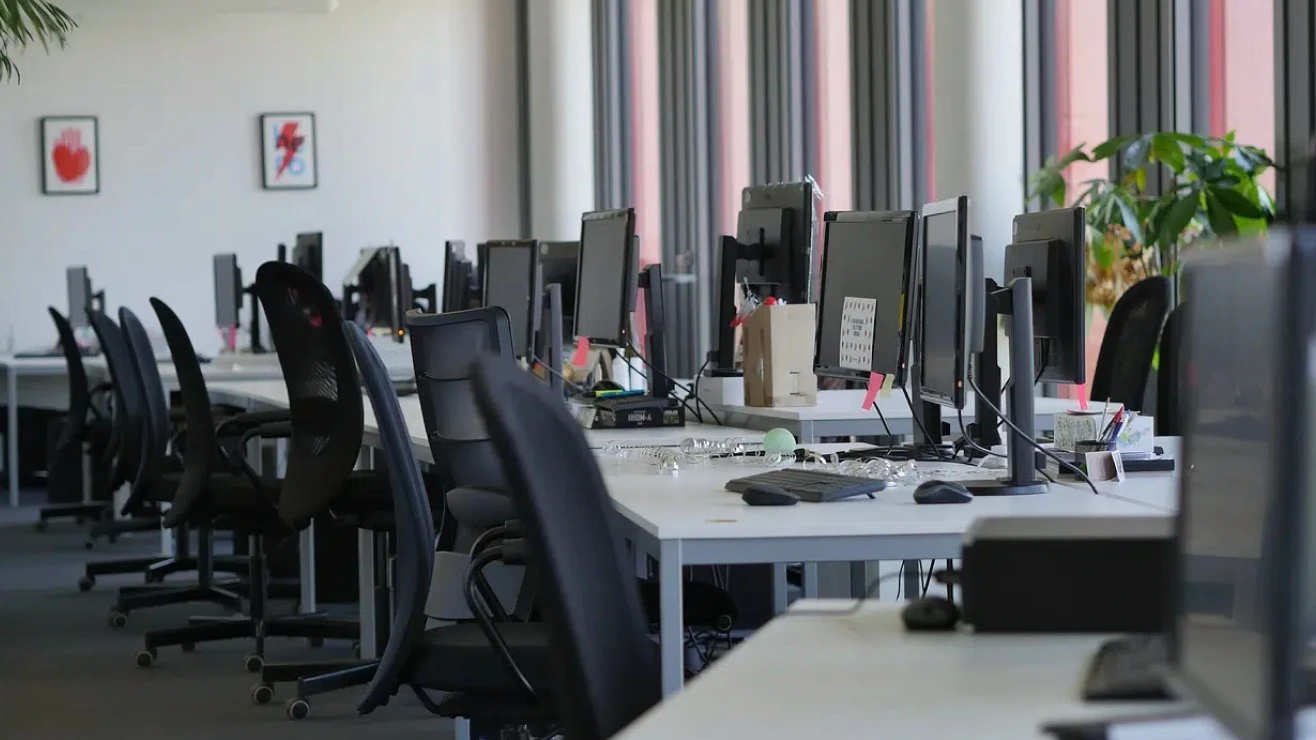
Organization in the workplace is a key factor that can directly influence employee efficiency and satisfaction. In a world where demands are constantly growing, maintaining a well-structured workspace is essential to ensure that activities are carried out effectively and productively. This article explores the importance of workplace organization, provides practical tips, and discusses the role of everyone involved in the process, from employees to business leaders.
Speak with one of our specialists and discover how Pix Force can transform your business
What is organization at work?
Organization at work refers to the arrangement and layout of resources, activities, and information in a professional environment. This encompasses not only the physical tidiness of a space, such as desks and files, but also the management of work processes, time management, and the use of appropriate tools. Effective organization involves creating a system that allows easy access to necessary information and materials, minimizing the waste of time and energy.
Importance of Organization for Productivity
An organized work environment is fundamental to increasing productivity. When employees have quick access to tools and information, they can perform tasks more efficiently. Furthermore, organization contributes to a positive company culture, where employees feel valued and motivated. Clarity in the distribution of responsibilities and tasks also improves collaboration between teams, resulting in superior overall performance.
Benefits of Organization at Work
Increased productivity and efficiency
An organized workspace reduces distractions and streamlines processes. Identifying and eliminating time-wasting activities, such as searching for documents or tools, allows employees to focus on their core tasks. With a structured approach, teams can prioritize and carry out their activities with greater speed, increasing the volume of work accomplished in shorter periods.
Improvement in well-being and stress reduction
Working in a disorganized environment can generate anxiety and stress, negatively affecting the mental health of employees. By implementing organization practices, companies can provide a more harmonious environment where employees feel more comfortable and secure. The reduction of stress, in turn, is directly linked to job satisfaction, increasing talent retention and motivation.
Positive impact on occupational health and safety
Organized work environments tend to be safer. Clutter can result in accidents and injuries, especially in areas like factories or warehouses. Good organization includes maintaining clean areas and correctly using equipment, which minimizes risks. In addition, organization also involves training employees on how to maintain safety, reinforcing a culture of prevention within the company.
Strategies for Efficient Organization
Tips for maintaining an organized professional environment
To create an organized work environment, several actions can be adopted: 1. **Discard the unnecessary**: Periodically reviewing documents and materials can help eliminate what is no longer needed. 2. **Establish a filing system**: A good system allows documents to be easily found and accessed. 3. **Use labeling methods**: Labels on files and boxes facilitate navigation through the space. 4. **Communicate expectations**: Employees should know what the expectation is regarding the organization of their workspace.
Time management and task prioritization methods
Time management is a crucial skill for maintaining organization. Some tactics include: • To-do lists: Create daily or weekly lists to identify and prioritize activities.
• Pomodoro Technique: This technique suggests that employees work in 25-minute intervals, followed by brief breaks, increasing efficiency.
• Weekly planning: Set aside time at the beginning of each week to plan activities and set priorities.
Use of tools and technologies for organization
Various tools and technologies can help maintain an organized work environment. Some of them include: • Project management software (such as Trello or Asana) that assists in collaboration and task tracking.
• Calendar applications that help organize appointments and meetings.
• Cloud storage tools that ensure important documents are always accessible and secure.
The Role of the Employee and the Company in Organization
Employee responsibilities
Each employee plays a role in maintaining organization. It is essential that everyone takes responsibility for their own workspace, keeping it clean and tidy. This includes using tools correctly and complying with guidelines established by the company.
How leadership can promote organization
Leaders play a crucial role in cultivating a culture of organization. They can promote good practices by offering training and encouraging employee feedback. Furthermore, leaders must be role models of organization, demonstrating how to maintain their own spaces and managing their work rates effectively.
Practical Examples of Organization at Work
Case study: Companies that excel in organization
Several companies are recognized for their innovative approach to organization. For example, Google is known for its open-space culture that fosters collaboration, but it also adopts rigorous project management practices to ensure teams stay focused and organized.
Recommended tools for work optimization
Tools like Notion, Monday.com, and Slack can be valuable for promoting communication and collaboration, ensuring that teams are always aligned. In addition, using storage platforms like Dropbox or Google Drive facilitates document access and organization.
Conclusion
Organization in the workplace is not just a matter of aesthetics, but a fundamental necessity for the efficiency, safety, and well-being of employees. Establishing effective organizational practices can transform team dynamics, resulting in a more productive and pleasant professional environment. Now, it's time to act! Start implementing these strategies and observe the difference in your team's productivity and satisfaction. Remember that organization is an ongoing process that requires commitment from everyone. Let's work together to create a more organized and efficient workplace!

Fabio Caraça
Fábio Caraça is the Chief Growth Officer at Pix Force. He leads Pix Force's transformation into a scalable SaaS operation, combining strategic vision, culture, and high-impact execution.