Energy
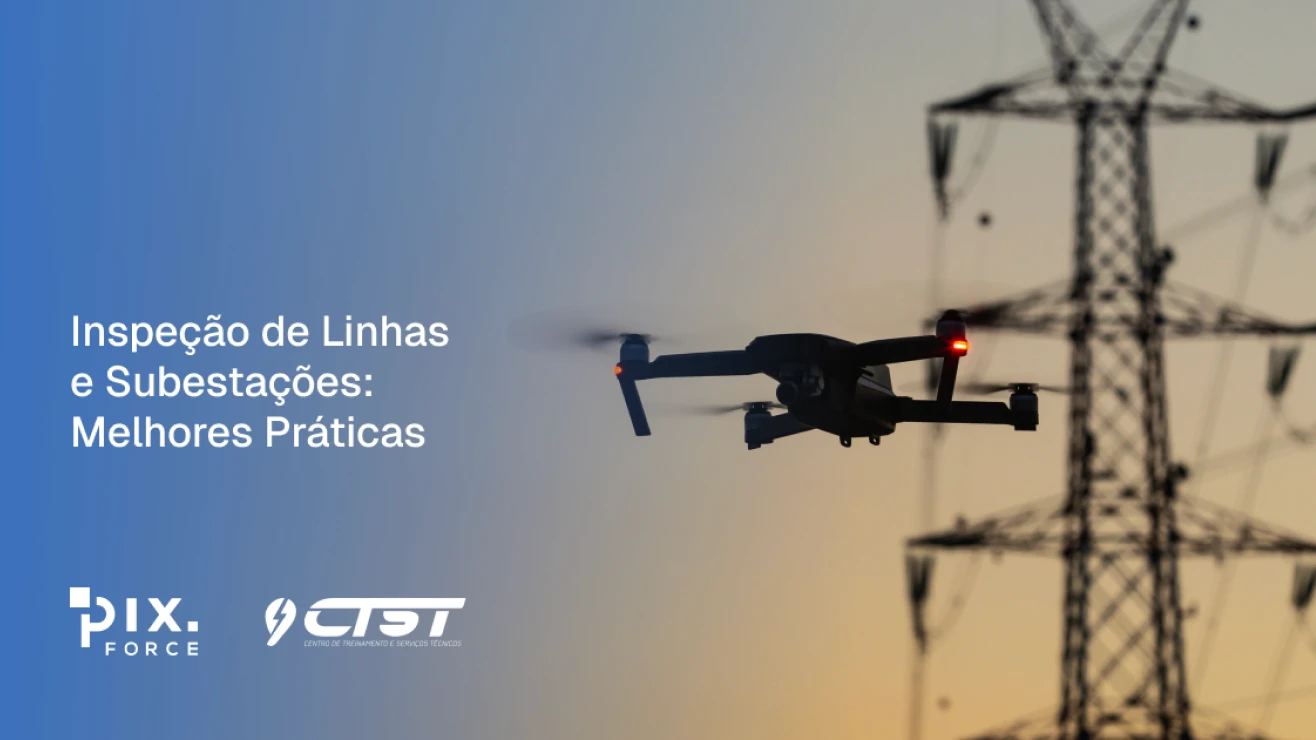
In energized systems, the inspection of lines and substations is the starting point of maintenance: everything begins with the collection of evidence in the field to support correction and prevention decisions, increasing the reliability of the electrical system.
Well-executed inspections feed maintenance planning, reduce failures, and prevent operational losses, including penalties for unavailability. Therefore, record quality and technical clarity are non-negotiable.
This guide brings together inspection best practices by integrating traditional methods with technological resources. The expected result is simple: reduce risk, prioritize interventions, and gain efficiency without neglecting safety in energized environments.
Speak with one of our specialists and discover how Pix Force can transform your business
Work Planning
Depending on the reality of each company and the country in which it operates, the inspection plans for lines and substations must comply with standards, criteria, and applicable internal documents and regulations.
Objective: to decide “what, when, and how” to inspect, with criteria.
• Prioritization by risk: load served, history, and reliability indicators.
• Scope and operational window: right-of-way, critical spans, sensitive areas, crossings, and bays.
• History and context: latest findings, work orders, weather, and vegetation.
• Method selection: ground visual, IR thermography, ultrasound/PD, UV-corona, LiDAR, drones, and online sensors according to the risk.
• Criteria, data, and responsibilities: defined taxonomy and deadlines, complete metadata, robust analysis system, trained team, and well-defined roles
In the pre-checklist, do not forget to align the routes and responsibilities with the team. It is also important to check authorizations and ensure that all instruments are calibrated and suitable for the tasks. If operating with a drone, prepare the flight plan in advance. In addition, make sure to record the risk matrix and have the report template ready in order to streamline the subsequent analysis.
Safety first
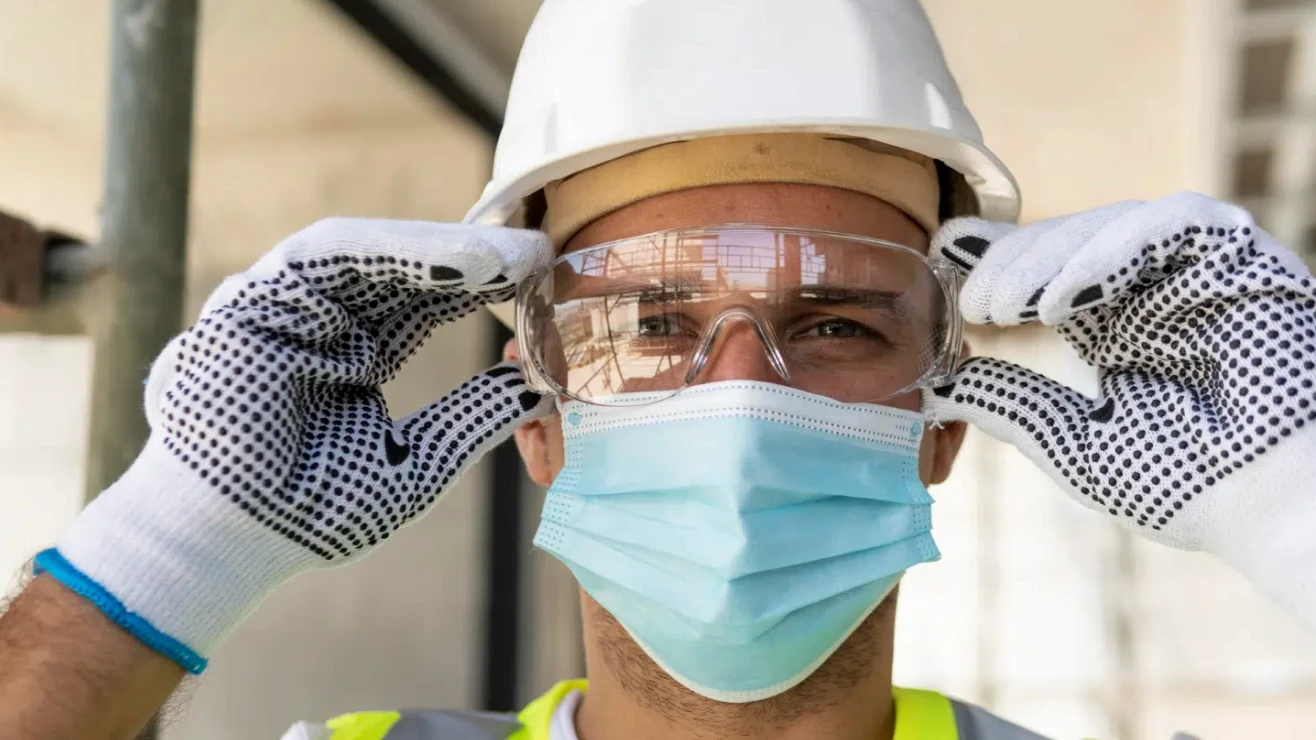
In accordance with applicable regulations, every activity must start with formalized JHA (Job Hazard Analysis) and Work Permit, verification of PPE/CPE, and a check of weather conditions. Thus, the decision to proceed or not must be anchored in objective risk criteria and clear records.
Furthermore, in energized systems, it is essential to respect approach limits and adopt the correct method with a qualified team. Even if operational demand is high, do not perform maintenance activities on Live Lines at night or in the rain. Strong wind, dense fog, atmospheric electrical activity, and low lighting constitute go/no-go factors.
Next, ensure effective communication and area isolation: the initial briefing, tested communication channels, visible signage, and access control in substations reduce coordination failures and undue exposure of third parties. Therefore, each step must occur under the same operational language.
Finally, rescue and emergency procedures must be clearly known to everyone. In the event of incidents, trigger the emergency services before any technical rescue attempt. In summary, safety is not an add-on in line and substation inspections, but rather its central axis.
Field execution: what to observe?
Structures and supports: On poles and towers, check plumb, cracks, corrosion, and the integrity of the foundations. On hardware, look for deformations, loose parts, and missing fasteners. On wood, inspect the base (excavation/probe). Record photos with scale and repeatable angles.
Conductors and connections: Look for “hot spots”, broken wires, fraying, and heated splices. Evaluate accessories (spacers, dampers) and the integrity of the shield wire/OPGW. Prioritize thermography for screening and high-resolution visual detail for confirmation.
Insulators: On insulators, look for cracks, contamination, tracking marks, and misalignments. When applicable, supplement with UV-corona and ultrasound/PD. Classify severity at the time of recording.
Substation equipment: On transformers, scan bushings/radiators and look for leaks. Abnormal noises may warrant a deeper evaluation. On circuit breakers/disconnect switches, inspect terminals/busbars. Focus on high-resistance points and cleanliness/contamination. Go through the bays, with a checklist per equipment and tagged photographic evidence.
Right-of-way and vegetation: Map encroachments, regrowth, and "danger" trees considering minimum safety clearances. Document with coordinates and comparable photos to support the pruning/clearing plan.
In general, check the feasibility of adopting a double-verification sample (two inspectors on the same item) and use a single report template for analysis consistency. This accelerates prioritization and increases operations efficiency.
Technology at the service of life
Technological resources are a means to standardize evidence, reduce exposure, and gain speed with quality. In inspections of lines and substations, computer vision solutions automatically sort images, highlighting probable anomalies and organizing metadata. Combined with drones featuring repeatable routes, photogrammetry, and even LiDAR, they deliver comparability between campaigns and better views in critical areas. These approaches increase the predictability of the process and the quality of the evidence.
In this way, the practical result is a faster and more consistent report execution cycle. AI-powered platforms accelerate analysis, maintain image traceability, and integrate into the maintenance workflow (structured reports, risk prioritization, and routing for execution), shortening the time between the finding and the intervention.
In operational safety, the gain is direct: drones access remote sections and hard-to-reach areas, reducing travel and time spent in energized areas. Flight plans and automatic checks bring operational discipline, while aerial capture improves the reading of components and the surroundings. In practice, risk and cost are reduced without sacrificing technical depth.
Conclusion
In short, inspecting well is about taking care of systems and people. Training, attention to procedures, and clear communication keep the team safe. Additionally, technology expands this care. With drones, sensors, and artificial intelligence, we gain reach, speed, and better evidence, reducing unnecessary exposure without replacing the specialist's eye. Therefore, keep the basics well-done and use technology to transform every piece of evidence into a decision at the right time. Thus, every inspection becomes prevention.
This article is the result of a partnership between Pix Force and CTST. To continue deepening your knowledge on the topics of technology, safety, and efficiency in maintenance, follow our articles.

Fabio Caraça
Fábio Caraça is the Chief Growth Officer at Pix Force. He leads Pix Force's transformation into a scalable SaaS operation, combining strategic vision, culture, and high-impact execution.