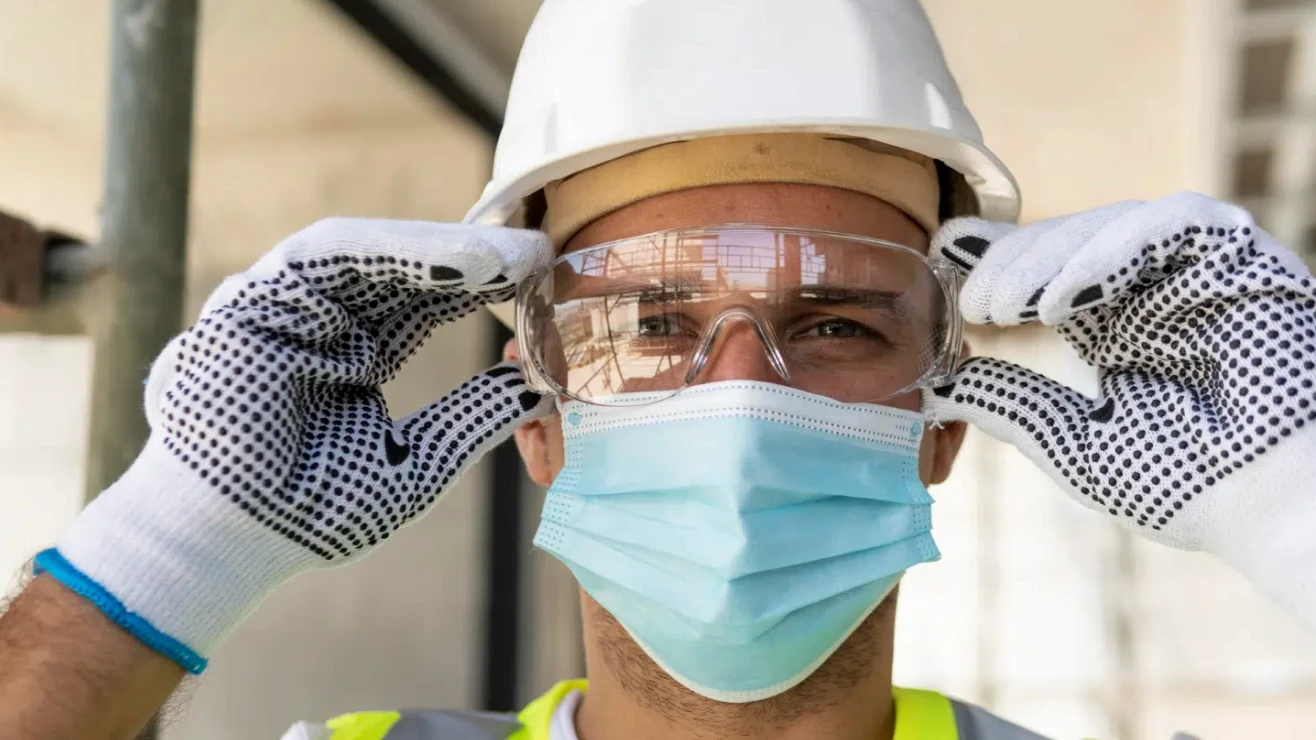
Occupational health and safety
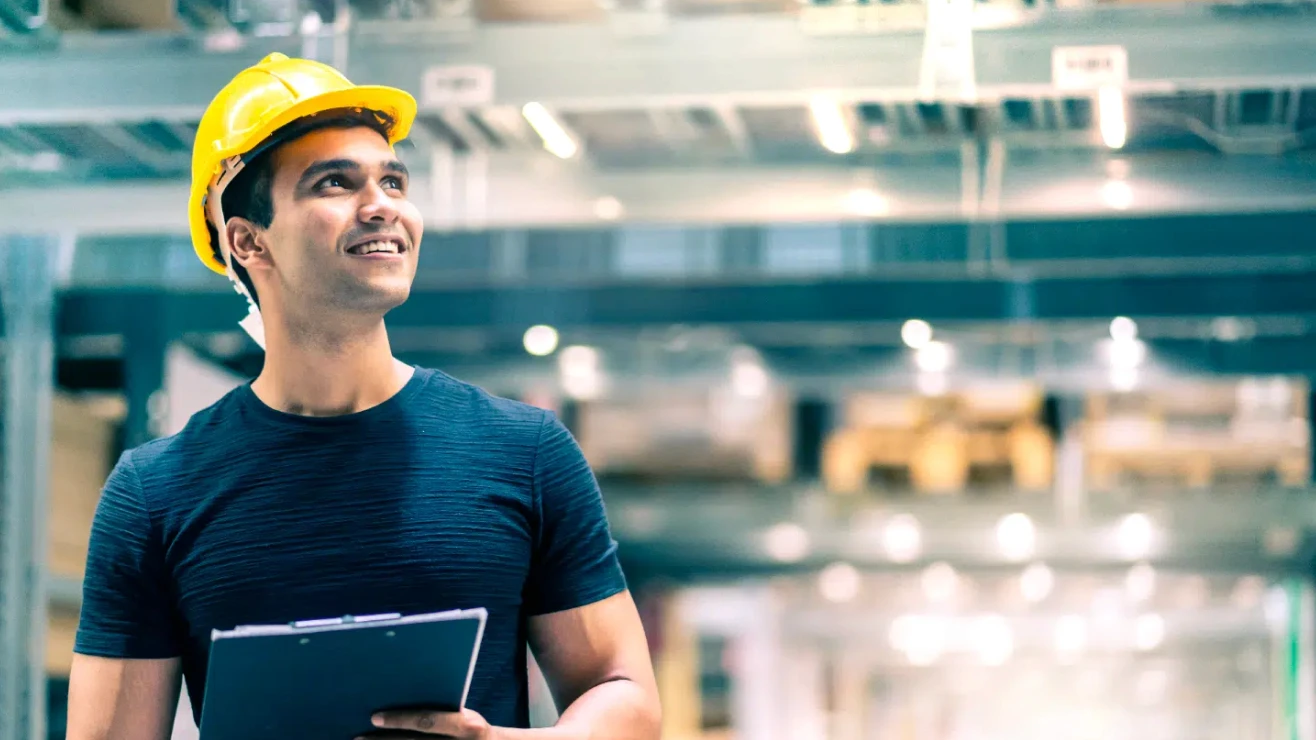
Ergonomics and workplace safety are crucial aspects that impact employee health and productivity. Implementing proper ergonomics practices reduces the risk of injury and improves employee well-being, as well as boosting efficiency in daily activities. These factors are essential not only for the protection of workers, but also for promoting a more positive work environment.
Investing in ergonomics means adapting the workplace to the needs of employees, considering elements such as lighting, furniture, and equipment layout. Workplace safety, in turn, involves measures and regulations aimed at preventing accidents and ensuring that each employee can perform their duties without unnecessary risks.
With the combination of ergonomics and safety, companies not only comply with legal obligations, but also cultivate a culture of care and respect for their workers. These principles are fundamental to the long-term success of any organization.
Speak with one of our specialists and discover how Pix Force can transform your business
What is Ergonomics?
Ergonomics is the science that studies the interaction between humans and the elements of a system. The main objective is to optimize worker well-being and system performance.
This discipline involves physical, cognitive, and organizational aspects. Ergonomics professionals analyze tasks, equipment, and work environments to create more suitable conditions.
Main components of ergonomics
• Physical: Focuses on adapting the physical space to the worker.
• Cognitive: Explores how people process information and make decisions.
• Organizational: Refers to work structures and methodologies.
The application of ergonomics can lead to significant benefits, such as:
• Increased productivity
• Decrease in occupational injuries and illnesses
• Greater job satisfaction
The implementation of ergonomic practices is essential to create a healthy and efficient work environment. This includes the design of workstations, selection of appropriate furniture, and tools that respect the characteristics of the human body.
In this way, ergonomics is not limited only to physical space, but also involves behavior and organizational culture. Thus, it promotes an environment that respects the capabilities and limitations of workers.
The Importance of Safety at Work
Work safety is essential for the protection of employees and the continuity of business activities. A safe environment reduces the risk of accidents and injuries, promoting the physical and mental health of workers.
The consequences of a lack of ergonomics and safety can be severe. Occupational injuries, such as musculoskeletal disorders, are common and can result in:
• Increased absenteeism
• High healthcare costs
• Reduced productivity
Additionally, an unsafe working environment can affect team morale. Employees who feel at risk may experience demotivation, directly impacting organizational performance.
Implementing safety and ergonomics practices is an investment that yields returns. Companies that prioritize these areas often observe significant improvements, such as:
• Fewer accidents
• Lower employee turnover
• A more collaborative working environment
Strengthening the safety culture must be a shared responsibility. All employees, from upper management to the workers, have a crucial role in promoting a safe and healthy working environment.
Consequences of the Lack of Ergonomics and Safety
Ergonomics in the workplace invites us to reflect deeply on how we can create spaces that respect and nurture the human body and mind.
When we think about the conditions that surround our professional daily life – the lighting that touches our eyes, the noise that rests in or disturbs our ears, the temperature that soothes or challenges every fiber of our being – we perceive the subtle yet powerful impact that these elements exert on our productivity and well-being.
It is not just about preventing discomfort or injuries, but about creating harmony between the worker and their environment, allowing actions to flow with less effort and more efficacy.
Investing in ergonomic improvements is an act of care and connection, which transforms the workplace into a space that values the individual and sees them not as a tool, but as a being in constant balance. See the main problems of the absence of ergonomics in the work environment.
Common Occupational Diseases (RSI and MSDs)
Both RSI (Repetitive Strain Injuries) and MSD (Work-Related Musculoskeletal Disorders) go far beyond simple physical discomforts; they invite us to reflect deeply on the relationship between the worker, the environment in which they operate, and the attention paid to caring for the body.
When ignored, these conditions not only limit movement, but also impact the worker's productive soul, placing them in front of a journey of disconnection between ability and function.
That is why ergonomics appears as a beacon, illuminating more balanced and healthy paths at work. Adjusting posture, adapting desks and chairs, and always observing the environment around us are small acts that echo greatly in our working journey.
There is something simple and powerful in the idea that investing in the worker's well-being – by reducing noise, optimizing temperatures, and improving tools – is an act not only of responsibility, but also of profound respect for human complexity and its transforming potential.
Financial and Human Impacts of Workplace Accidents
Workplace accidents not only cause human suffering but also generate significant financial impacts for companies.
When the work environment is not adjusted to the needs of the workers, the body and mind suffer, reflecting in reduced productivity and high costs, whether with leaves of absence, health treatments, or operational losses.
Therefore, by investing in ergonomic adjustments, companies are not only preventing injuries, but promoting well-being and transforming work into a more satisfying and productive experience. After all, true prosperity is born from the balance between caring and producing.
Regulatory Standards and Ergonomics
Regulatory Standard 17 (NR 17) of the Ministry of Labor and Employment is a milestone in Brazilian legislation, directed at ergonomics in the work environment.
The primary focus of NR 17 is to guarantee the comfort, safety, and health of workers, promoting a better quality of life and increasing productivity in companies. In this article, we will discuss how to apply NR 17 in practice, addressing its main principles and guidelines.
NR 17 establishes minimum requirements for ergonomics in various labor activities. The standard covers areas such as furniture, tools, workspace organization, environmental conditions, and processes that can impact worker health. The objective is to adapt working conditions to the needs of the worker, minimizing the risks of occupational diseases and accidents.
Main Guidelines of NR 17
The application of NR 17 can be understood through basic guidelines that need to be followed by companies:
• Ergonomic Evaluation
Companies must conduct ergonomic analyses to identify health risks to workers, observing postures and repetitive movements.
• Ergonomic Furniture
The standard recommends the use of furniture and equipment that promote comfort, such as adjustable chairs and desks at appropriate heights, to prevent health problems.
• Environment Organization
The workspace must be organized to facilitate movement and accessibility, ensuring an adequate layout of equipment and signage.
• Training and Awareness
Training on ergonomic practices is essential for employees to adopt correct postures and understand the importance of ergonomics.
• Continuous Monitoring
Companies must perform continuous monitoring of working conditions, with periodic reviews to ensure compliance with the standard.
Failure to comply with NR 17 guidelines can result in damage to worker health and losses for the company, including absenteeism and lawsuits. Investing in ergonomics is a strategy that brings direct benefits.
Recommended Practices to Improve Ergonomics and Safety
Improving ergonomics and safety in the work environment is crucial for the health and well-being of employees. Here are some recommended practices:
• Environment Evaluation: Conduct an ergonomic analysis of the workspace to identify critical points that could cause discomfort or injuries.
• Adequate Furniture: Investing in ergonomic furniture, such as adjustable chairs and height-adjustable desks, ensures comfort during daily activities.
• Correct Posture: Encourage employees to adopt correct postures when using computers and equipment, minimizing risks of repetitive strain injuries (RSI) and work-related musculoskeletal disorders (WMSD).
• Training: Promote regular training on ergonomic and safety practices, increasing awareness among employees.
• Regular Breaks: Implementing breaks for movement and stretching helps reduce physical and mental fatigue, improving productivity.
These practices, when well implemented, contribute to creating a safer and healthier work environment, promoting employee satisfaction and performance.
The Joint Responsibility of Employers and Employees
The promotion of a safe and ergonomically adequate work environment is a shared responsibility between employers and employees.
While companies have a duty to provide infrastructure, appropriate equipment, and training on safe practices, employees also play a fundamental role in building a safety culture.
Employers must ensure that regulatory standards, such as NR 17, are strictly followed.
This includes conducting ergonomic evaluations, making adequate furniture available, and implementing health and safety policies. Investing in ergonomics not only reduces the risks of injuries but also promotes an increase in productivity and worker satisfaction.
On the other hand, employees must be attentive to their working conditions and adopt correct postures. Awareness of the importance of ergonomics is vital: complying with the guidance provided and reporting discomforts or problems related to the work environment are actions that can prevent occupational diseases.
This joint responsibility strengthens the safety culture within the company, resulting in a healthier and more productive environment.
When employers and employees work in harmony, not only are health and well-being preserved, but organizational effectiveness is also optimized, creating a positive cycle that benefits everyone.
Conclusion
Ergonomics and occupational safety are essential elements for creating a healthy and productive work environment. The implementation of best practices, such as proper assessment of workspaces, the adoption of ergonomic furniture, and the promotion of training, not only prevents occupational diseases and accidents but also increases employee satisfaction and efficiency.
Understanding that the responsibility for a safe environment is shared between employers and employees is fundamental for building a safety culture. When both sides commit to ergonomics, a dynamic of care and respect is created that benefits everyone.
Investing in ergonomics is, therefore, an investment in the company's human capital. The results are reflected not only in worker health but also in an increase in productivity and a reduction in costs related to medical leave and healthcare treatments.
In a scenario where the mental and physical health of employees is increasingly valued, adopting effective ergonomics and safety practices is essential to ensure the sustainable future of your company. The union of efforts and awareness are the keys to a safe, productive, and cohesive work environment.

Fabio Caraça
Fábio Caraça is the Chief Growth Officer at Pix Force. He leads Pix Force's transformation into a scalable SaaS operation, combining strategic vision, culture, and high-impact execution.