News
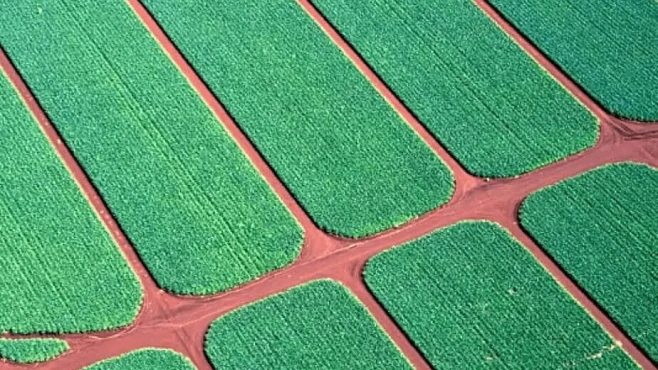
Even with the current crisis experienced by Brazil, the agricultural sector showed growth last year, going completely against the other sectors of the country. According to the IPEA (Institute for Applied Economic Research), agriculture was largely responsible for preventing the contraction of the Brazilian GDP from being even greater in the year 2015. In this post you will learn what Precision Agriculture is and its main practices. Check it out! Before talking specifically about the topic of precision agriculture, we need to remember that the growth of Brazilian agricultural potential is due to the rapid transformations that the sector has undergone in recent years, making the activity even more modern and competitive, achieving high standards of quality and productivity. One of those responsible for the positive balance of agriculture in the Brazilian economy was the modern practices of Precision Agriculture, also known as PA. READ ALSO: • What is artificial vision?
• Artificial intelligence in industry
Speak with one of our specialists and discover how Pix Force can transform your business
What is Precision Agriculture?
This form of agriculture emerged with the implementation of a soil and climate variability information management system, aligning with planting and harvesting processes. Precision Agriculture had its growth enhanced by the introduction of technological advances and methods. These methods could be applied in the agricultural sector through the use of techniques such as agricultural GPS (Global Positioning System) and remote sensing technologies. This modern practice of agriculture is not a single technology. Precision agriculture encompasses a series of factors and components from which producers can choose the best procedures that suit their operation and effectively meet their needs. It is based on accurate and precise information, which allows managing the productive field throughout its entire extent, taking into account every piece of the plantation. The concept of PA is to apply inputs at the right time and in the right place, control pests, and monitor growth and productivity throughout the entire length of the plantation. With the correct application of precision agriculture, there is a reduction in production costs and input expenses, a drop in crop losses due to pests, a decrease in nature contamination by the pesticides used, and consequently an increase in productivity.
Precision Agriculture Practices
Precision agriculture encompasses several practices, such as: • Use of high-precision positioning systems (GPS): allows locating and navigating agricultural vehicles and machinery in the field with perfect accuracy.
• Introduction of technologies for soil and input management: adapts the plantation to various types of climatic variations, thereby preventing fluctuations in productivity. It also enables the exact amount of inputs to be used, reducing waste and environmental impacts.
• Monitoring systems: allow the application of fertilizers at variable rates according to soil conditions, aiming to reduce contamination.
• Application of integrated systems: they work in parallel with GPS and provide productivity maps of the entire plantation, which can be divided into different reports by areas or zones.
• Real-time monitoring of the crop: favors the monitoring of the plantation for mapping and detection of pests and diseases. Through this monitoring, it is possible to apply agricultural pesticides locally, preventing damage to the rest of the crop and the environment.
Crop monitoring
Data collection and monitoring can be considered the first step of precision agriculture. Monitoring productivity is a process that allows measuring the amount produced in each area, detecting production bottlenecks, and helps in the continuous improvement procedures of the process. Productivity indicators or KPIs (Key Performance Indicators) can provide and document the quantity and variability of production, making it possible to improve the management of the entire crop. Through crop monitoring, it is possible to divide it according to its results, allowing the application of different action plans, which in the medium term will enable significant gains in productivity.
Remote sensing
This set of techniques makes it possible to obtain data and information from various points even when it is a few kilometers away. Remote sensing refers to images that are taken from an airplane, helicopter, satellites, or even drones, which have become great allies of the agricultural sector worldwide. The images taken contain data on trees, crops, pests, among others. The analysis of images from remote sensing can provide information about the health of crops and soil conditions. For example: sensing can help detect drainage problems and lack of moisture at various points in the plantation, allowing the producer to address the root of the problem.
Benefits of Precision Agriculture
Precision agriculture provides great benefits for growers. Reduction of environmental degradation and agricultural activity risk, reduction of production costs, enables fast and accurate decision-making, greater production control due to integrated systems, gains in sustainability, among other benefits. The use of precision agriculture is a process that requires time, investment, and dedication from growers. However, it enables increased accuracy in obtaining results, lower production variability, reduced operating costs, and especially productivity gains. Now that you know what Precision Agriculture is, also see the main technologies used in this type of agriculture. Want to know more about how Pix Force can help your company achieve better results using artificial intelligence? Contact us here!

Fabio Caraça
Fábio Caraça is the Chief Growth Officer at Pix Force. He leads Pix Force's transformation into a scalable SaaS operation, combining strategic vision, culture, and high-impact execution.