News
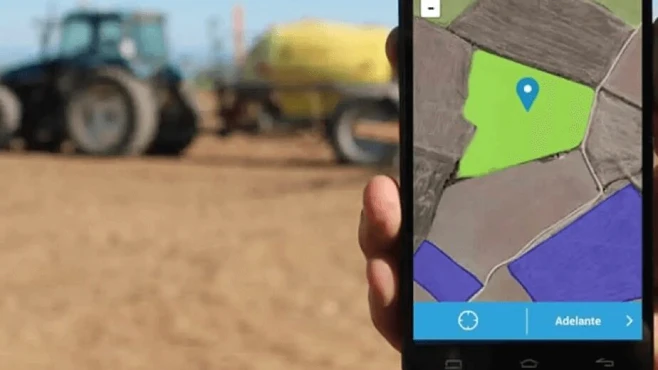
Precision Agriculture techniques have increasingly been applied by Brazilian producers, in various fields and different types of crops. One of the practices that has been widely applied is the use of the Global Positioning System, the famous GPS. This technology allows for several applications such as: field or crop mapping, conducting various soil samplings, guiding and controlling tractors and agricultural machinery, monitoring and inspecting the harvest, and mapping production. In addition to all these applications, GPS also allows farmers to work in adverse or low-visibility conditions. Through the use of GPS combined with geographic information systems (GIS), it is possible to collect the data and information necessary to optimize the use of land, water, and some inputs. This global positioning technology enables numerous benefits such as: the exact location of soil samples, collection and analysis of crop data, machine navigation in the field, among several others. GPS is considered one of the main tools for achieving good results and increasing agricultural productivity. The use of GPS in agriculture can be an efficient practice that does not have a high cost of application. By increasing productivity, it makes your product even more competitive in the market. Agricultural monitoring through the system enables the producer to use detailed information that will lead them to make the right decisions for the crop and better business management. Check out below 4 benefits that can be achieved through the use of agricultural GPS. Check them out! ALSO READ: • Computer Vision: The Complete Guide!
• Inventory stocktake using artificial intelligence
• What is Machine Learning?
Speak with one of our specialists and discover how Pix Force can transform your business
Tracking
The basic function of GPS is to show the location of a person or equipment anywhere in the world. Therefore, the first benefit this technology enables is the tracking of machinery or employees. Through agricultural GPS, it is possible to monitor all employees, verifying if they are performing their tasks correctly. It also allows tracking vehicles and equipment, practically making thefts or robberies in the business impossible and reducing the time spent searching for machinery in the plantation. An important detail of this technology is that through it, one can follow the machine or employee while they perform their activities. This allows the creation of performance files and KPIs (Key Performance Indicators) that can be used to formulate new action plans or improvements aiming at increasing efficiency.
Reduction of expenses
The use of GPS for monitoring does not demand much management or employees to perform the functions for which it was designed. In this way, it is possible to manage and monitor large areas with a minimal amount of workers. This reduces producers' expenses with hiring employees, especially during harvest time. GPS allows the plantation to maintain its productivity with a smaller number of workers. In addition to this reduction in labor costs, with a smaller number of personnel, it is possible to hire only those employees with greater experience, thus enabling better gains for the business. Also, remembering that hiring qualified labor reduces the possibility of work accidents, and the expenses and problems related to their occurrence.
Increasing service quality through Agricultural GPS
Currently, agricultural producers, just like large industries, have been facing great competition. To beat the competition, it is necessary not only to have an affordable product, but also one of high quality. Agricultural GPS enables an excellent increase in the quality of all services and stages of the plantation, from the monitoring and initial study of the soil to the moment of harvest. By applying improvements to the processes, the result will be a quality product that is more competitive in the market. GPS, when used to control machinery and equipment, in addition to reducing staff, enables a significant gain in performance. This increase in performance occurs due to the reduction in the number of machine stops, such as for operator lunch breaks, physiological needs, etc. Furthermore, the system eliminates the probability of human error — this applies to equipment that has a self-control system, meaning it is not entirely guided by GPS and computers. All of this raises the quality of plantation services and processes, resulting in better products.
Sustainability
As Global Positioning Technology is able to detect and determine specific areas that require the application of fertilizers and pesticides, it is not necessary for growers to spray the entire crop. In this way, the products are used in smaller quantities and only where needed, which enables more effective and less degrading use, reducing pollution and making the crop more sustainable. With technological advances, Precision Agriculture has enabled numerous improvements for planting, cultivation, and harvesting. Tools such as agricultural GPS, drones, and autonomous machines have innovated processes and brought greater convenience and better results for agricultural producers. Discover the main agricultural technologies and their innovations! Pix Force is a company specialized in computer vision and digital image processing. We can bring our technology to your farm and add value to your product. Get in touch with us!

Fabio Caraça
Fábio Caraça is the Chief Growth Officer at Pix Force. He leads Pix Force's transformation into a scalable SaaS operation, combining strategic vision, culture, and high-impact execution.