Occupational health and safety

Occupational safety is an essential concern for any company, regardless of the sector. In addition to ensuring the protection of employees, effective safety practices help increase productivity and reduce costs related to accidents.
In this article, we will discuss simple and practical strategies that can be implemented to
improve occupational safety, promoting a safer and healthier environment for everyone.
Importance of Workplace Safety in the Industry
Workplace safety is a crucial factor in the industry, where risks are frequently high. Implementing effective safety standards not only protects employees but also ensures business continuity.
When employees feel safe, they tend to be more productive and engaged, resulting in a more efficient work environment. In addition, reducing accidents and injuries lowers compensation and insurance costs, as well as improving the company's reputation.
Non-compliance with safety regulations can result in legal penalties and damage to the organization's image. Therefore, investing in workplace safety is not an expense, but rather a strategic decision that can lead to a significant increase in profitability and employee well-being.
Actions to Improve Safety at Work
Improving safety at work involves implementing various practical actions that ensure the protection of employees. Measures such as regular training, risk assessment, and incentives for safe behaviors are fundamental to creating a safe and healthy work environment. Leadership commitment and the active participation of employees are essential for the success of these initiatives.
Speak with one of our specialists and discover how Pix Force can transform your business
Team Awareness and Training
Awareness about safety at work must be a pillar in industries. Regular training is fundamental to educate the team about the correct procedures to be followed in risky situations. Interactive workshops and practical simulations help employees recognize them and react appropriately. This approach not only increases safety, but also strengthens the company's safety culture.
Continuous Training Programs
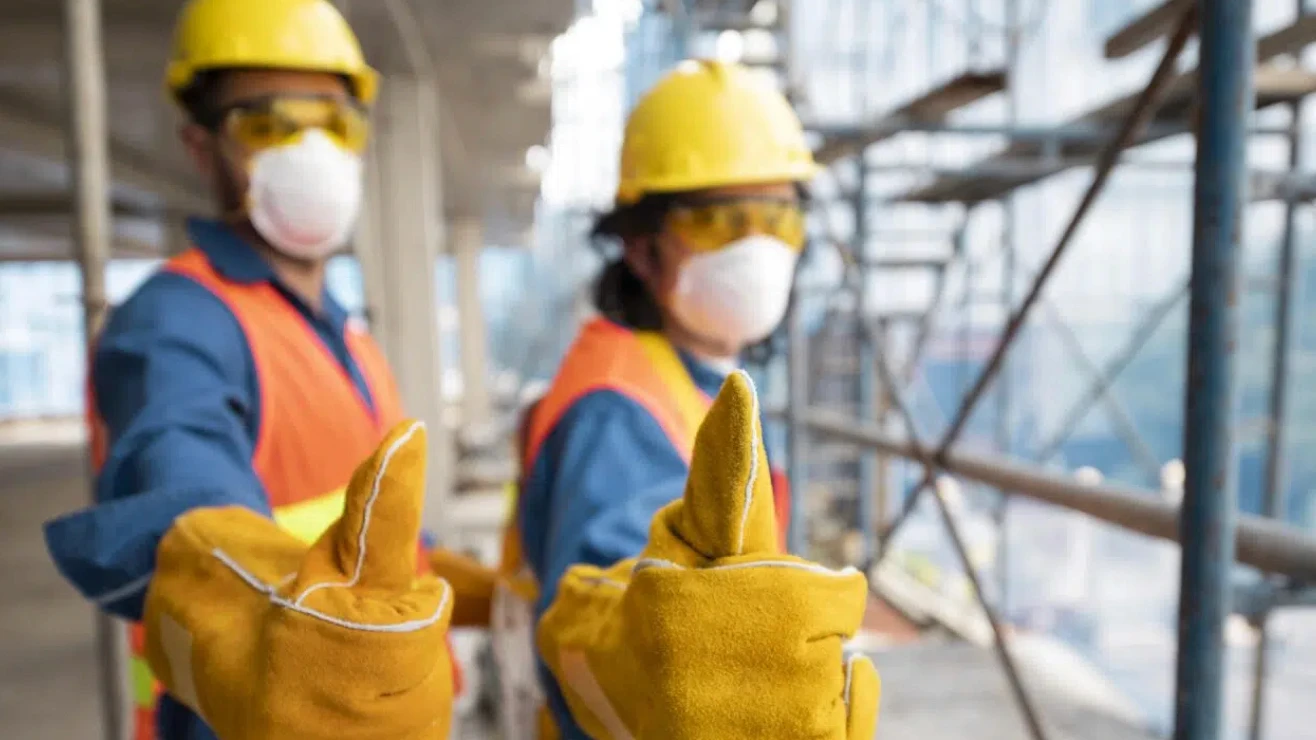
Continuous training programs are essential to ensure that the team is always up to date on safety practices. This includes periodic training sessions covering various topics, from the correct use of Personal Protective Equipment (PPE) to emergency simulations. A well-trained employee is better able to identify risks and avoid accidents, contributing to a safer work environment.
Incentives for Safe Behaviors
Encouraging safe behaviors is an effective strategy to reinforce the safety culture in the workplace. Reward programs can be implemented to recognize employees who demonstrate good safety practices. In addition, creating an environment where safety communication is valued and not punished promotes a proactive attitude toward identifying risks.
Risk Assessment and Compliance
Risk assessment is a fundamental activity for workplace safety management. Identifying, analyzing, and prioritizing potential risks allows companies to implement corrective measures before accidents occur. Compliance with safety standards and regulations is also essential, ensuring that all legal requirements are met.

Fabio Caraça
Fábio Caraça is the Chief Growth Officer at Pix Force. He leads Pix Force's transformation into a scalable SaaS operation, combining strategic vision, culture, and high-impact execution.