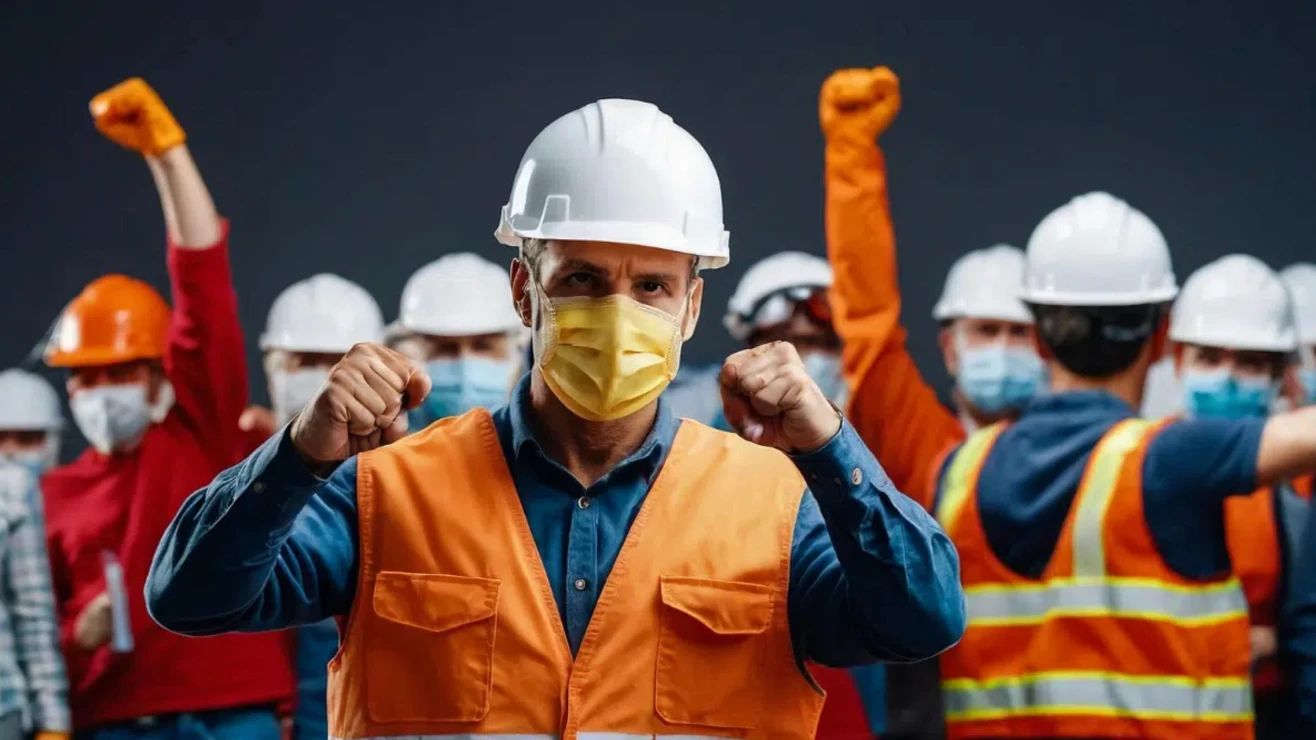
Occupational health and safety

Occupational safety is a fundamental aspect for any company that wishes to preserve the health and well-being of its employees. Implementing effective measures not only prevents accidents but also promotes a productive working environment. With special attention to prevention, it is possible to reduce accident-related costs and increase team confidence.
This article presents occupational safety tips that can be applied in different work environments, helping your company maintain a high standard of safety and efficiency. Keep reading to discover how to protect your team and your business.
What is Occupational Safety?
Occupational safety is an area dedicated to preventing accidents and occupational diseases, promoting the health and well-being of workers. This involves identifying risks in the work environment and implementing measures to minimize them.
By adopting appropriate standards and regulations, companies not only comply with the legislation, but also promote the well-being of their teams, resulting in greater productivity and job satisfaction.
Companies must follow standards and regulations, such as the Regulatory Standards, which establish clear guidelines for safety, ensuring that all employees are protected while performing their activities.
Practical Workplace Safety Tips
The implementation of practical workplace safety tips is essential to ensure the protection of all employees. Simple day-to-day measures can significantly reduce the risk of accidents and improve the work environment. Below, we address several initiatives that can be applied in any company to promote a safe environment.
Speak with one of our specialists and discover how Pix Force can transform your business
1) Keep the Workplace Organized
The organization of the workspace is crucial to prevent accidents. Keep the area clean, free of unnecessary objects and scattered tools. This reduces the risk of trips, falls, and other incidents. Encourage the team to follow organization practices, such as returning tools to their proper places after use and keeping circulation areas unobstructed.
2) Use Personal Protective Equipment (PPE)
Personal Protective Equipment (PPE) is fundamental for safety in the workplace. It is essential that all employees use the provided PPE, such as helmets, gloves, and protective goggles, according to the activities performed. In addition, the proper use of PPE must be monitored to ensure its effectiveness, and the company must provide training on the importance and correct use of this equipment.
3) Conduct Safety Training
Conducting safety training regularly is essential to keep all workers informed about the risks involved in their roles and the best practices to avoid them. This training should include emergency practices, correct use of PPE, and hazard identification. When employees feel prepared, they become more confident in their roles and a safer environment is promoted.
4) Report Incidents and Near Misses
Reporting incidents and near misses is fundamental to preventing future problems. By reporting these events, the company can identify process flaws and implement improvements. Create an open and secure channel so that workers can report any situation without fear of retaliation. This transparency contributes to building a safety culture within the organization.

Fabio Caraça
Fábio Caraça is the Chief Growth Officer at Pix Force. He leads Pix Force's transformation into a scalable SaaS operation, combining strategic vision, culture, and high-impact execution.