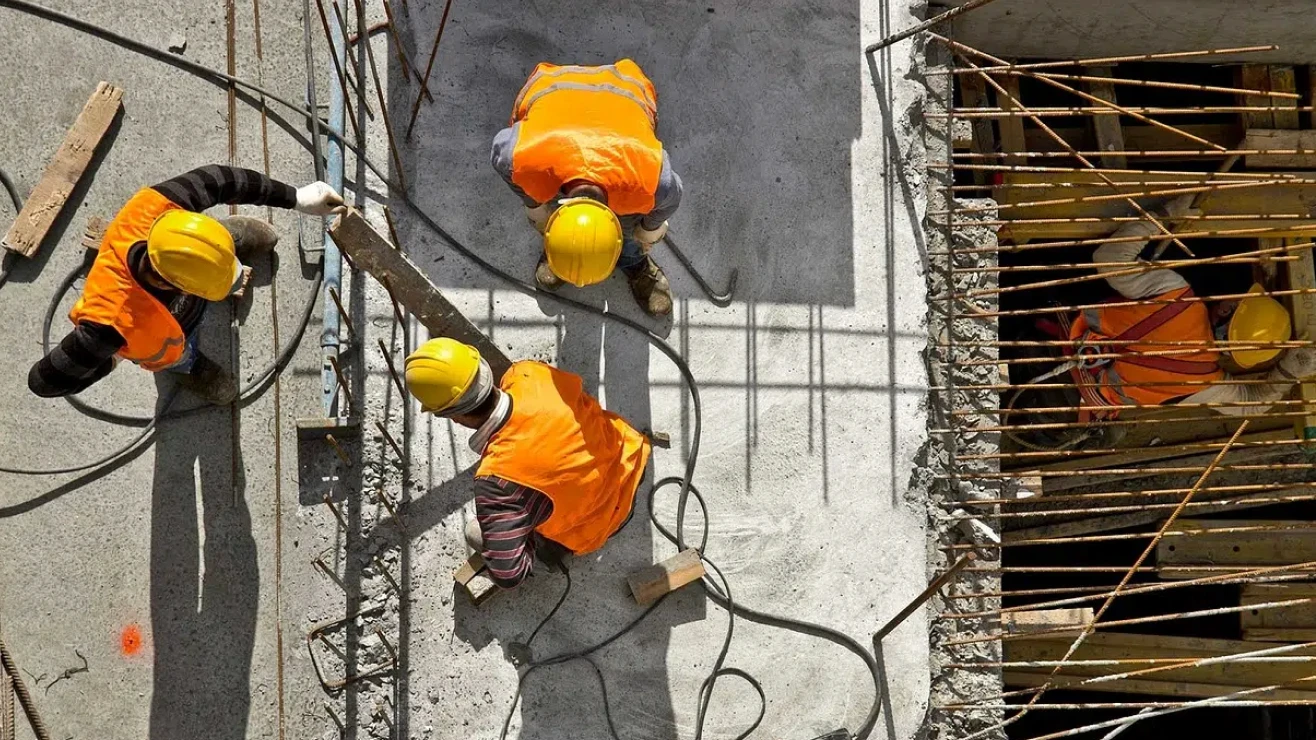
Occupational health and safety

Occupational risk assessment is an essential part of occupational safety management. With the increasing awareness of mental health, it becomes imperative to integrate these aspects into safety policies.
This article, which is a Complete Guide to Occupational Risk Assessment and Mental Health, aims to provide a clear understanding of how to identify, analyze, and manage risks in the work environment, promoting a safer and healthier environment for employees.
READ ALSO: • How to improve occupational safety?
• Safe behavior at work
• See more tips on occupational safety
What is the PGR and why did it replace the PPRA?
The PGR (Risk Management Program) is an updated approach to occupational risk management. It was implemented to replace the PPRA (Environmental Risk Prevention Program) due to the need for a more integrated and efficient management. The PGR involves the identification and control of risks, promoting a safer and healthier work environment.
Understand the new NR-1 and its implications (2024)
The new NR-1, which will take effect in 2024, brings significant changes to occupational safety guidelines. It emphasizes the importance of risk management in a more comprehensive way.
The standard establishes that all companies must implement the PGR (Risk Management Program), covering all activities and workers, with the aim of preventing accidents and promoting mental health in the workplace.
Speak with one of our specialists and discover how Pix Force can transform your business
Mandatory PGR Components: Risk Inventory and Action Plan
The components of the PGR include the risk inventory, which identifies hazards in the work environment, and the action plan, which defines the measures to be taken to mitigate these risks. This structure ensures that the company takes preventive actions, providing a safer environment for all employees.
The replacement of the PPRA by the PGR occurred to meet the new demands of the labor market, which require a more proactive approach. The main changes include a more holistic approach to risk management, integration with other safety standards, and a greater focus on mental health, reflecting the evolution of occupational safety practices.
How to conduct an occupational risk assessment in the PGR?
To conduct an occupational risk assessment in the PGR, it is essential to follow a systematic process. First, identify the hazards present in the work environment.
Next, analyze the likelihood of occurrence and the severity of the consequences. This assessment allows you to prioritize risks and develop effective mitigation measures, ensuring worker safety and compliance with regulations.
Step-by-step to classify risks (probability × severity)
Classifying risks involves analyzing two main factors: the probability of an event occurring and the severity of its consequences.
First, use a classification table to assign a score to the probability, which can range from low to high.
Next, do the same for severity. Multiply the obtained values to determine the risk level. This classification helps in prioritizing actions and directing corrective measures.
AIHA and Fundacentro rating tables: how to use them?
Rating tables, such as those from the AIHA (American Industrial Hygiene Association) and Fundacentro, are useful tools in risk assessment. They provide criteria to classify the severity and likelihood of identified risks. To use them, the data collected during the assessment must be compared with the parameters established in the tables, helping to determine the severity and the need for intervention.

Fabio Caraça
Fábio Caraça is the Chief Growth Officer at Pix Force. He leads Pix Force's transformation into a scalable SaaS operation, combining strategic vision, culture, and high-impact execution.