News

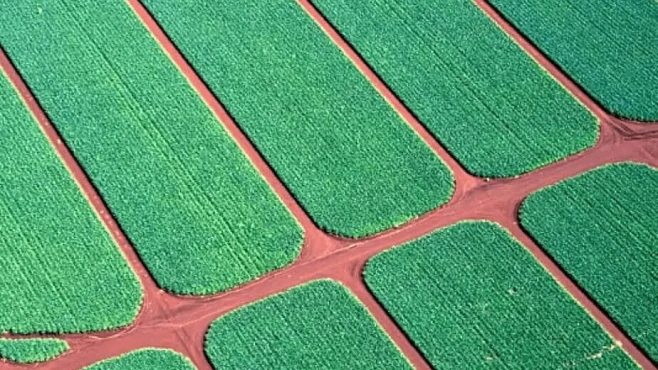
Modern plantations and agricultural operations are carried out in very different ways compared to those practiced a few decades ago. Initially, we can relate this leap in productivity and plantation management to the technological advances that have been applied to agriculture. Today, agricultural technology includes: the use of various types of sensors, the use of machines and integrated systems. Currently, the routine of large plantations has implemented sophisticated technologies, such as the use of robotics and especially drones, which have revolutionized the most diverse types of agricultural processes. In addition to constantly using technologies already widespread worldwide such as: temperature and humidity sensors, aerial imagery, and GPS. All these advances are related to Precision Agriculture and allow for greater production, increased profits, and efficiency, in addition to ensuring greater safety in operations. Check out below the importance of using technology in agriculture and how it has provided various advances.
Precision Agriculture
Precision Agriculture was the main driver behind the search for new technologies and advancements for crops. This type of agriculture is based on the observation, monitoring, and management of all necessary inputs and, most importantly, the entire crop. The new technologies emerged to meet all of these demands, achieve favorable results, and significantly increase production. They can be considered one of the most important factors that enabled the successful application of precision agriculture in crops worldwide.
Agricultural Technology
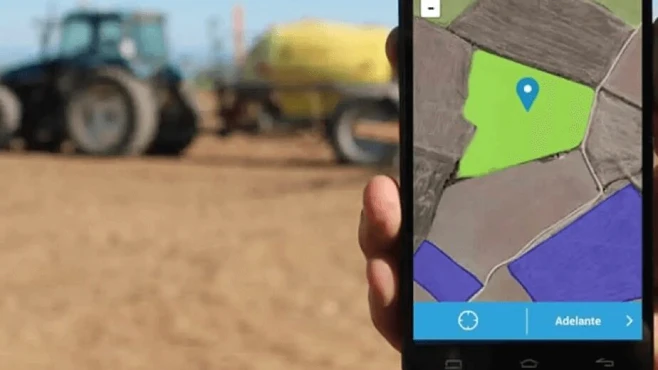
Several advancements have been constantly used in agriculture, providing great productivity gains, facilitating management, and reducing various costs. The first major advancement in agriculture was the use of GPS, which enabled the entry of other technologies such as the employment of new computer/satellite-guided machines. Tractors guided by GPS for seed planting, pesticide application, and especially in harvesting processes enable performance gains and reduced downtime. The use of integrated systems was another major innovation of recent years. The ability to access all data and view various KPIs through any computer, or simply on a smartphone screen, has allowed managers total control of the entire plantation. The last major technological leap in the agricultural sector was the introduction of drones in various processes. The use of these small unmanned aircraft allows real-time aerial monitoring of harvesting processes and more affordable remote sensing compared to that done by satellites. Drones can also detect pests in the plantation and bottlenecks in production with great agility, reducing losses and increasing performance. In addition, they make it easier to find spots that require the application of inputs and treatments, enabling targeted uses and especially cost reduction.
Speak with one of our specialists and discover how Pix Force can transform your business
The importance of agricultural technology
Large farmers no longer need to apply water, fertilizers, pesticides, and some inputs uniformly across the entire plantation. With the use of technologies, it is possible to use the minimum required amount in each specific area, and it is also possible to treat each plant in a unique and differentiated way. Some of the benefits that agricultural technology provides are: • Increased productivity: with advancements, it is possible to detect bottlenecks in production and increase the number of plants per hectare, thus raising the productivity of the plantation.
• Reduction in the consumption of water, fertilizers, and pesticides, which in addition to providing increased profit, allows for the reduction of the product's value.
• Decrease of environmental impacts on the ecosystem and less runoff of chemical products into rivers and groundwater, making the business more sustainable.
• Increased safety for employees and processes through highly reliable technologies that reduce the likelihood of failures and errors.
• Increased efficiency without the need for higher expenses to maintain it — it is only necessary to pay for the application of the technology.
• Detects nutrient deficiencies in the soil and assertively presents the amount of nutrients and fertilizers that need to be added to the soil (using Drones).
In addition to all these benefits, technological advancements applied to agriculture allow for greater reliability of the plantation, monitoring of the entire field, and management of all resources used. Technology in agriculture allows for full control over production, processing, inventory, and distribution.
Top 5 current technologies
Some of these technologies have stood out amidst this period of great developments in agriculture. Among them, we will highlight those that we consider the main and most impactful for the sector.
Sensors
The use of smart sensors has been applied in agriculture. This agricultural technology enables total monitoring of plants. These sensors can capture the health of the plantation, the need for water, and the nitrogen content in the soil. These sensors, aligned with 4G connection technology, allow for constant and real-time monitoring of the plantation. Each farmer can look for the type of sensor that best suits their needs. There are many different types of sensors on the market that can monitor various details of the plantation. As they allow monitoring of the health of the crop, they enable the detection of diseases and contamination, allowing quick action by managers to solve the problem. The data from this agricultural technology can also be used to formulate KPIs, which make it possible to monitor the performance of the plantation over time.
Drones
Image: Agricultural technology: the importance and main innovations
This small remote-controlled aircraft is the latest big technological leap that precision agriculture has undergone. UAVs, Unmanned Aerial Vehicles, as they are also called, can carry high-resolution cameras and the most diverse types of sensors, allowing this technology to have various applications. The photos taken by drones are of high quality and excellent resolution, and furthermore, they can be taken at the frequency desired by the farmer. This alone is a huge differentiator and shows why this technology has been chosen over satellites. Satellites are not available to farmers all the time, and photos are taken once a week or monthly. Not to mention that the weather can greatly interfere with the quality of the photos, which does not happen with UAVs, which can work even in adverse weather conditions. This technology has innovated agriculture, as it allows, through its images and specific algorithms, the collection of the following information: • Plant counting
• Measurement of crop height
• Pest detection
• Measuring the effectiveness of treatments and pesticide use
• Monitoring the need for water and inputs
Drones allow farmers to optimize the use of seeds, fertilizers, pesticides, and water. Furthermore, they enable quick reactions against any type of threat to the crop.

Fabio Caraça
Fábio Caraça is the Chief Growth Officer at Pix Force. He leads Pix Force's transformation into a scalable SaaS operation, combining strategic vision, culture, and high-impact execution.